
The influence of agriculture on human existence is immense. Beginning around 12,000 years ago, the advent of farming allowed people to abandon a nomadic, hunter-gatherer way of life and establish permanent settlements, where they could cultivate crops and raise livestock. This shift facilitated the emergence and growth of cities, populations, and entire civilizations.
Modern farming has evolved significantly from its early origins. The quaint family-operated farms of the past have largely been supplanted by large-scale industrial farms. Advances in agricultural technology and the use of chemical inputs have boosted food production, often harming environmental health in the process. This model of mass production is increasingly recognized as unsustainable.
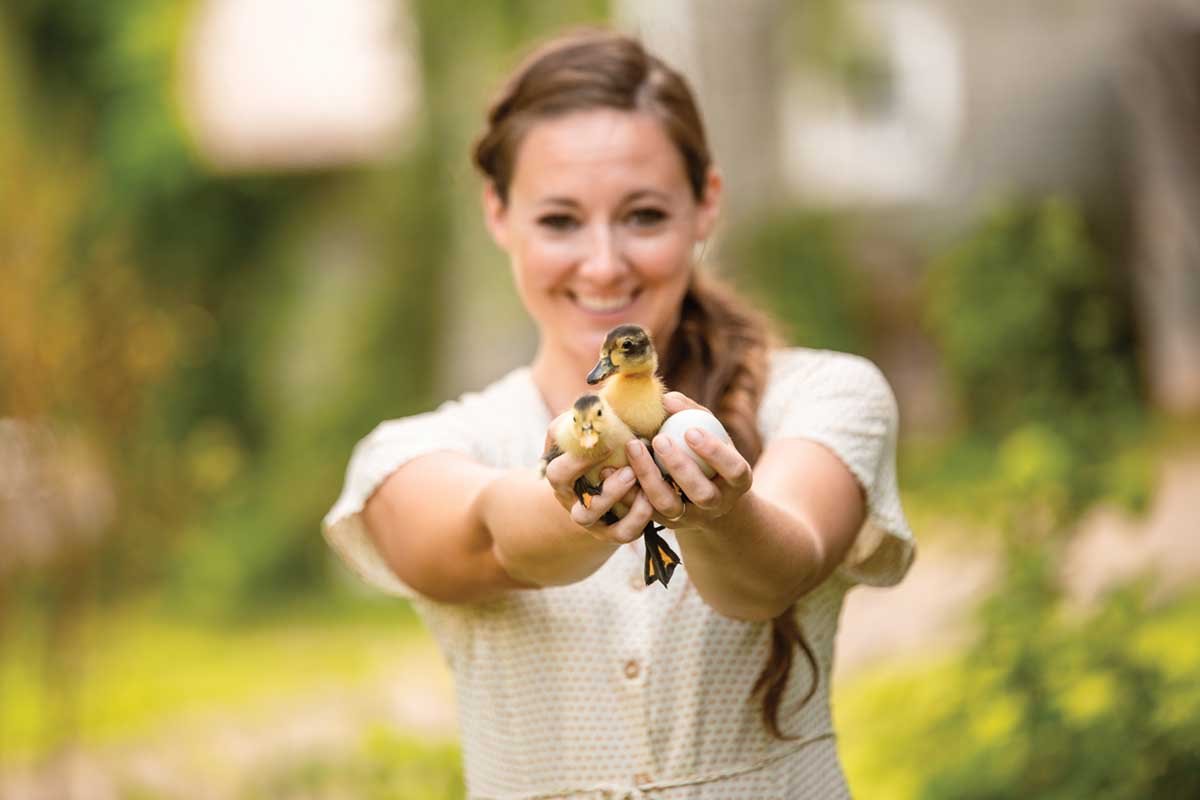
In response to these challenges, a passionate community is promoting regenerative agriculture, a method that emphasizes harmony with nature. Angela Ferraro-Fanning is at the forefront of this movement. As a self-taught permaculturist, she manages Axe & Root Homestead, a historically significant six-acre farm located in central New Jersey. She is also the author of The Sustainable Homestead, a guide designed to illustrate her journey in creating a sustainable homestead and to inspire others to reconnect with nature through a more deliberate and fulfilling lifestyle.
“Farming and homesteading were never things I considered before,” Ferraro-Fanning reflects. She previously ran a graphic design and web development business. “Once I had my first child, everything changed for me; I no longer wanted to sit behind a screen all day. The priorities I had in my design career just didn’t resonate with me anymore. I craved something more tangible.”
In a pivotal shift, Ferraro-Fanning struck a deal with her husband: she’d swap her salary for fresh produce from their own homegrown garden, learning how to cultivate and preserve their food to ensure their family had the healthiest options available. Together, they began their homesteading adventure with a vegetable patch, which eventually expanded to include ducks and beehives. One holiday season, they even welcomed goats as a Christmas gift.
However, it soon became clear that their small homestead, occupying three-quarters of an acre, was too cramped for Ferraro-Fanning’s ambitious plans, prompting their move to a larger six-acre farm that has since become their residence.
The site that evolved into Axe & Root Homestead dates back to 1775 and had a few owners prior to the Ferraro-Fanning family. Although it was already a working farm, Ferraro-Fanning faced significant challenges: reviving the soil was essential, along with her ambition to integrate horses into her farming practice.
“As a permaculture farmer, I strive to mimic natural ecosystems,” Ferraro-Fanning explains. “Every addition to this farm, whether it’s a plant or an animal, serves a purpose. These elements must fulfill multiple roles within our environment.”
Eventually, she acquired two Clydesdales—Finnegan, who assists in farm work, and Dozer, who is still undergoing training—as well as five sheep. The cooperative grazing habits of horses and sheep work symbiotically to maintain the health of both the pasture and each other.
Such mutually beneficial relationships are prevalent at Axe & Root Homestead. From ducks helping reduce tick populations to bees providing honey and pollination for crops, each animal contributes significantly to the ecosystem’s balance. The perennial plants are also vital, aiding in soil revitalization, while the orchard, vegetable garden, and berry bushes yield organic produce for the family.
This regenerative farming model has proven effective for Ferraro-Fanning. Despite facing a steep learning curve, she has found success through scientific research and resources, from journals to YouTube. Her book, The Sustainable Homestead, offers guidance to new homesteaders, encouraging long-term success while recognizing that their efforts will benefit future generations.
“It may sound somber, but my time here is finite,” Ferraro-Fanning shares. “Even though I have a nut allergy, I tend to the chestnut trees and have planted almond and pecan trees as well. This journey isn’t solely for my benefit—it’s about laying the groundwork for those who will inherit it.”
For Ferraro-Fanning, that future includes her two children, ages five and ten, who occasionally lend a hand around the farm. She encourages them to enjoy the process of homesteading without imposing chores, allowing them to engage in activities they find enjoyable, like berry picking or collecting duck eggs.
She encourages aspiring homesteaders to adopt a similar mindset: identify a passion and pursue it from there.
“You can embrace a homesteading approach even in limited spaces,” Ferraro-Fanning suggests. “Consider growing in pots, signing up for a community-supported agriculture (CSA) program, or visiting a nearby farm stand. These are empowering experiences that foster pride and achievement.”
“People often think they need a sustainability-focused lifestyle complete with renewable energy systems and acres of land to call themselves eco-friendliness. For me, it comes down to making accessible changes in daily life, and living on a sustainable farm is how I do that. I don’t seek to criticize or preach; I hope to motivate others by sharing my journey.”