

01
1. Significance of Skin Health
The adage “you are what you eat” rings true when it comes to skin health. Studies examining the impact of nutrition on skin vitality have been present for centuries. However, rather than wishing for time travel, prioritize incorporating antioxidant-rich foods and supplements that may enhance skin quality.

Our skin, which covers roughly two square meters and weighs around 8 pounds (3.6 kg), is our body’s largest organ. It is pivotal for both our immune and nervous systems while safeguarding our internal organs. Just like any garment, our skin often experiences significant wear.
If your skin starts to appear aged, wrinkled, and fatigued, consider your nearby health food store as a multipurpose service provider, offering natural solutions to refresh and rejuvenate your skin’s appearance.
02
2. Nutrient-Rich Foods: Omega-3 Fatty Acids

Those who believe that beauty resides only on the outside are likely unaware of how certain nutritious foods can enhance our skin’s appearance.
Foods that are high in omega-3 fatty acids, such as walnuts and flaxseeds, contribute to skin hydration and reduce inflammation. Walnuts also provide zinc, which is essential for skin barrier protection, healing wounds, and fending off bacteria. Research indicates that a higher intake of essential fatty acids may improve skin condition and produce a more youthful complexion while also guarding against sun-induced aging.
03
3. Vitmain E Benefits
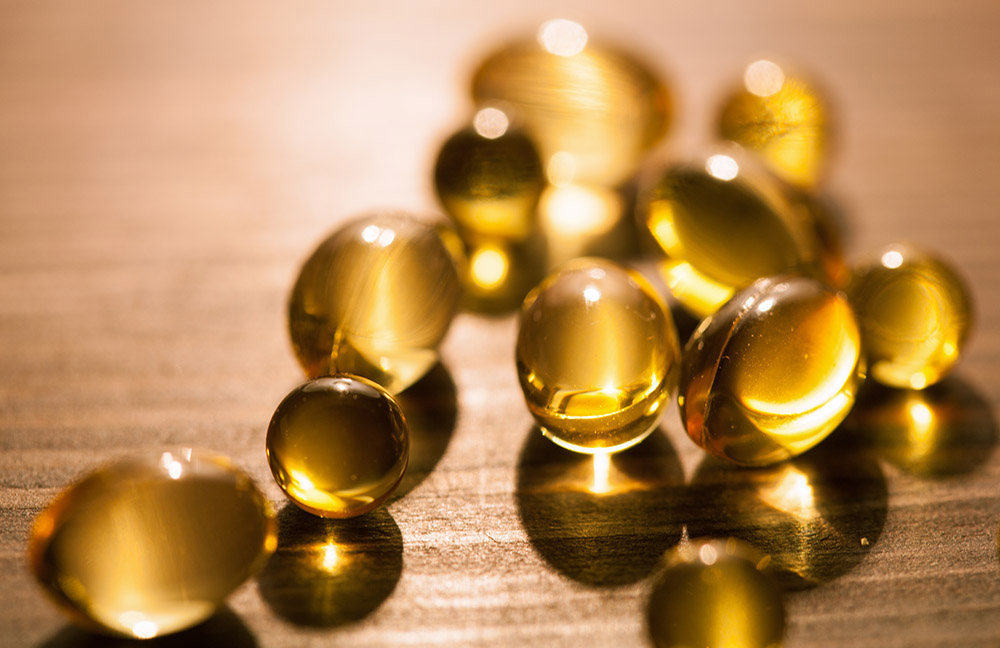
Vitamin E, prevalent in sunflower seeds, cooked spinach, and almonds, may act as a protective agent against skin damage and can help reduce wrinkles, according to studies.
04
4. Green Tea
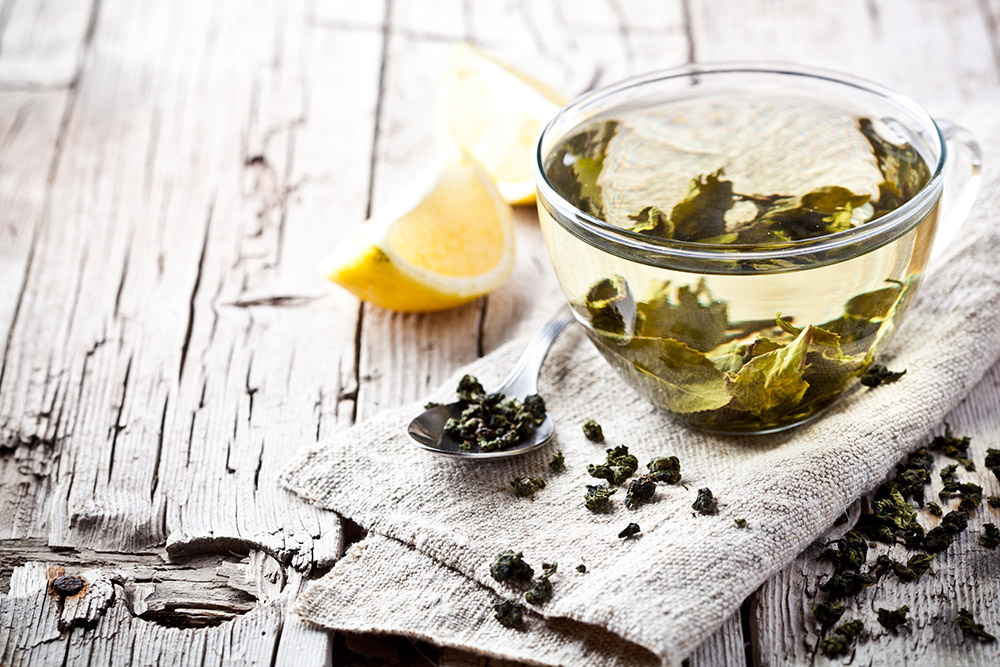
Green tea, revered for its health benefits, is also a remarkable ally for skin care. Regular consumption has been linked to reversing visible effects of sun damage, likely attributable to its polyphenols and catechins. The antioxidants present in green tea protect the skin from damaging free radicals, and it can aid in managing various skin conditions, ranging from acne to rosacea.
05
5. Antioxidants in Skin Care Products
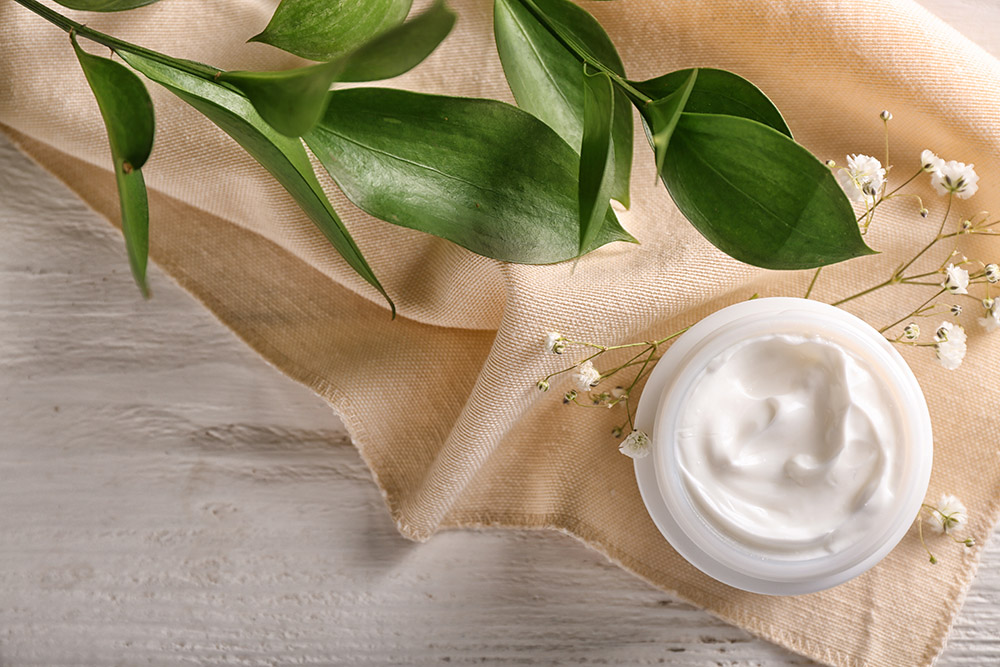
Our skin is continually exposed to free radicals caused by UV radiation, pollution, and toxins in food. These harmful agents can result in uneven skin tone, discoloration, premature aging, and potentially serious skin issues like cancer. Skin care formulations enriched with antioxidants can help neutralize these free radicals, supporting the health and appearance of the skin while delaying aging effects.
06
6. Vitamin E for Topical Use
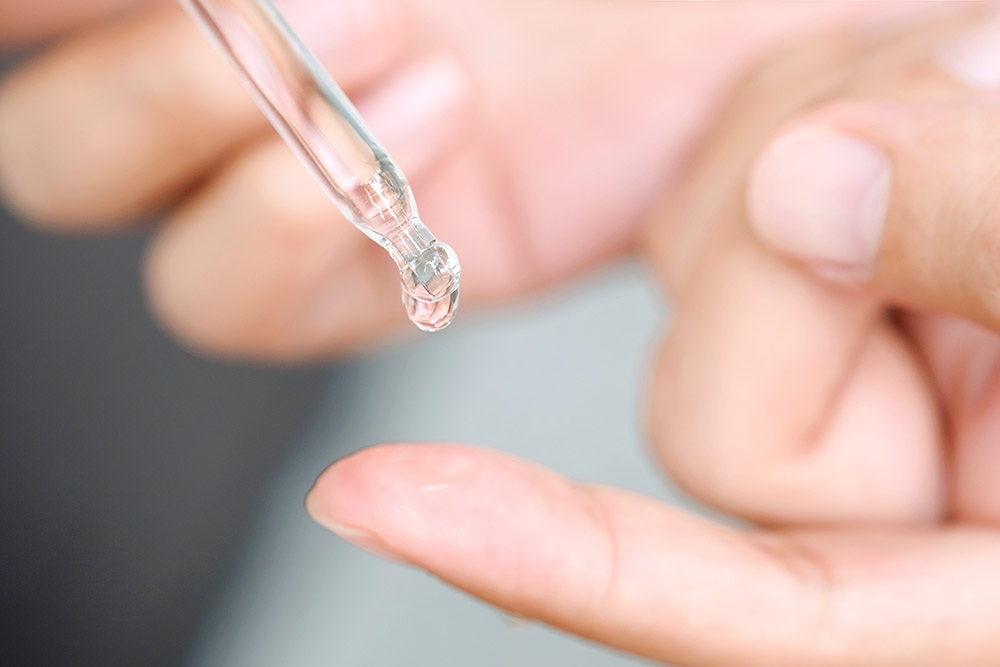
Vitamin E is a potent antioxidant commonly used in topical skin products for its hydrating and conditioning effects. It aids in healing and enhancing the appearance of damaged skin and is frequently applied to reduce dark circles under the eyes. Research shows that creams enriched with vitamin E specifically help diminish wrinkles and fine lines.
07
7. Vitamin C Applications
Vitamin C is among the most sought-after antioxidants utilized for skin care. Research indicates that its topical application can safeguard skin from damage, reduce the appearance of fine lines and wrinkles, and improve rough skin texture.
“Vitamin C serums are generally safe for most individuals unless there is a citrus allergy,” explains Lynn, an esthetician based in Vancouver, BC. “It serves as a gentle exfoliator and effectively combats free radicals.” While various products with different concentrations of vitamin C are available in health stores, she advises starting with a lower concentration to allow the skin to acclimate before increasing strength.
08
8. Hydrating Agents
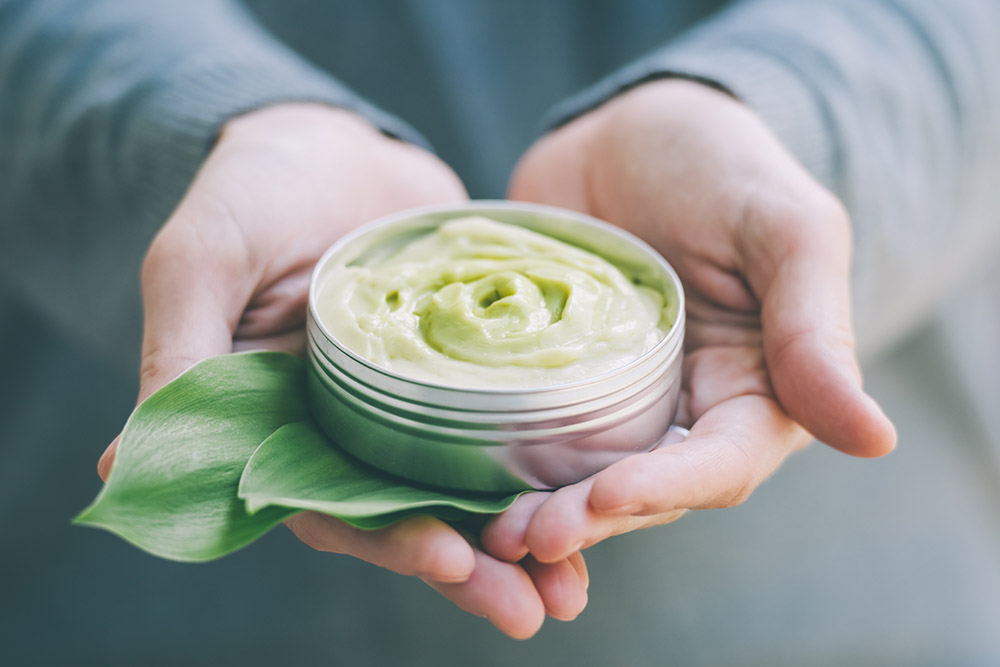
With aging, our skin struggles to conserve moisture, which can lead to dryer skin and the development of wrinkles. Consistent use of facial and body lotions can help retain vital moisture, with various natural solutions available.
“To hydrate and smooth out fine lines, natural oils such as avocado oil, known for its essential omegas, and hazelnut oil, which supports skin protein and nourishment, are excellent options,” states Julia Linford from J-Spa. Additionally, coconut oil, sunflower oil, shea butter (suitable for very dry skin), and aloe, which contains antioxidants beneficial for skin health, are also recommended.
09
9. Exfoliating Techniques
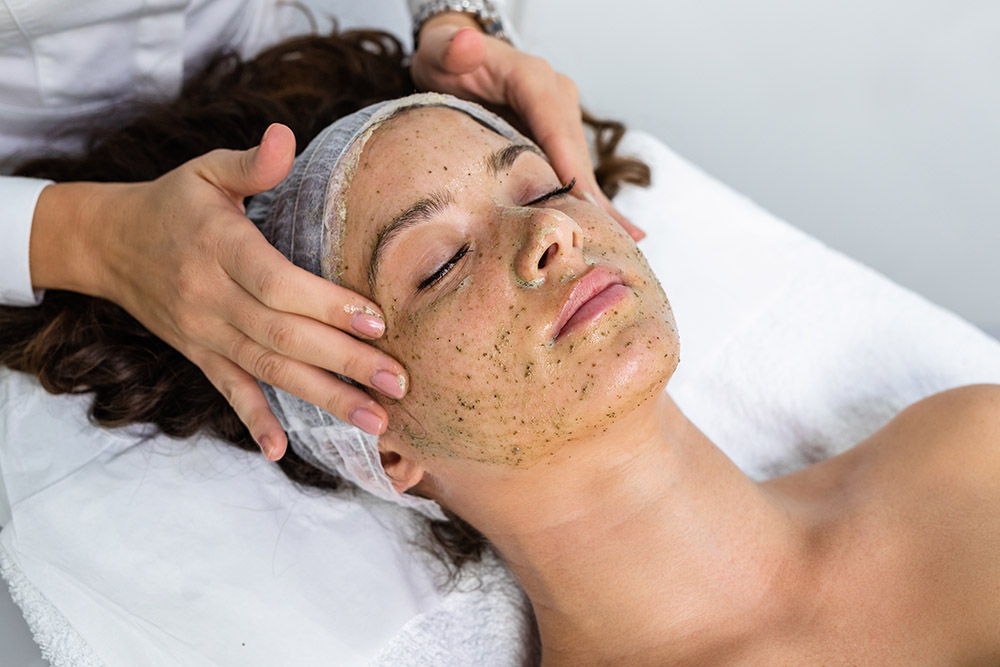
As we mature, the rate of skin cell turnover declines, leading to a buildup of dead skin cells that dulls our complexion. Exfoliation enhances the skin’s radiance and can diminish rough patches, particularly on areas like elbows and heels. Regular exfoliating may also help address aging signs such as wrinkles.
Natural exfoliants in skincare products may include tartaric acid from grapes and malic acid from apples. Using physical scrubs containing fine beads or particles like sugar or oatmeal can effectively remove dead skin cells and refresh the skin.
10
10. The Role of Botanicals
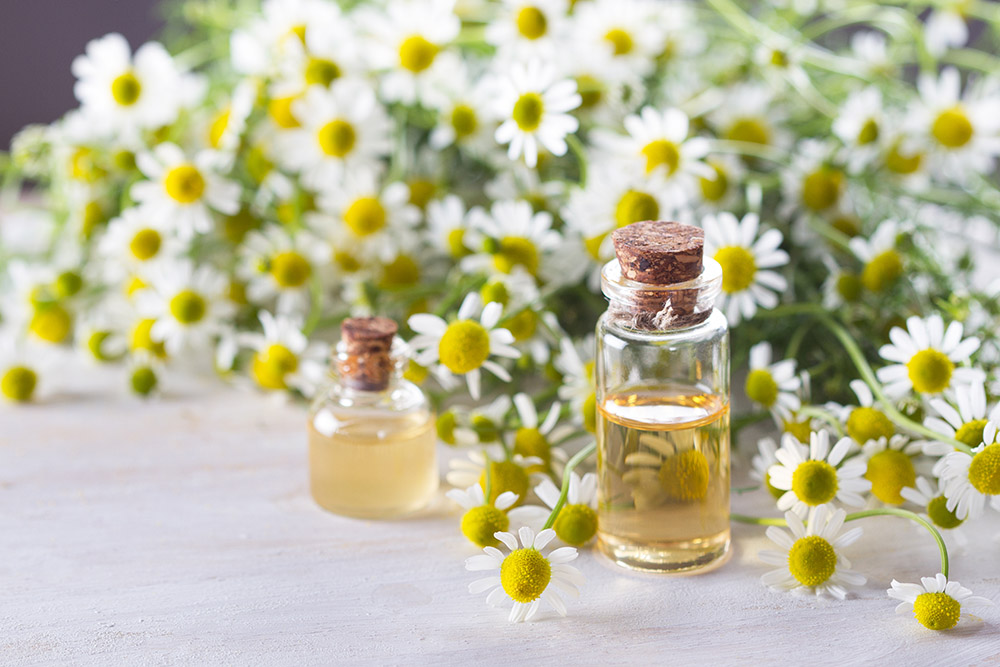
In a world dominated by synthetic anti-aging products, we can still rely on a variety of traditional botanical solutions. One noteworthy example is soy, which, when applied topically in organic skincare products, has been found to improve issues related to aging, including hyperpigmentation, skin firmness, and dryness.
Other botanical extracts known for their potential anti-aging properties include coffeeberry, which is rich in beneficial polyphenols; green tea, which has been linked in trials to improved skin elasticity; and chamomile, recognized for its high antioxidant content and soothing properties for irritated skin, especially for those with dryness or itchiness.