
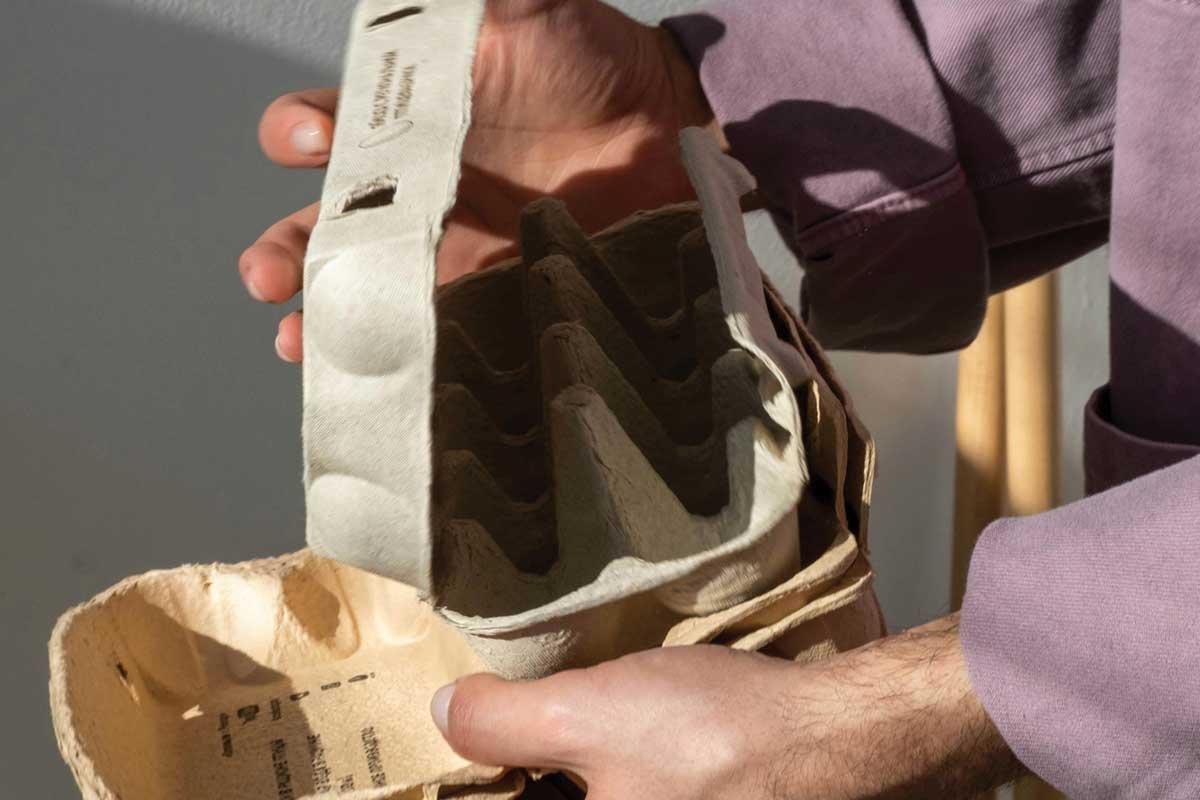

Every single day, Canadians embark on an eco-friendly journey by placing various materials into their recycling bins, showcasing a collective responsibility towards sustainable living. This initiative not only alleviates the waste flowing into landfills but also aids in the preservation of natural resources. However, the complexity of recycling procedures, which differ widely across regions, can often lead to challenges in recycling effectively. As such, it’s time to revisit the recycling guidelines, especially as new trends are emerging!
The challenges of plastics (and other obstacles)
In recent times, the discourse surrounding recycling has highlighted a myriad of challenges and controversies. A principal concern is the waning profitability of recycling initiatives across Canada, where the expense of processing recyclables now outweighs the market value of the recovered materials. This situation contributes to the inconsistent regulations and infrastructure found across various provinces.
This issue is particularly pronounced with plastics. In Canada, a mere 9 percent of plastic waste is effectively recycled, a consequence of systemic inefficiencies and the higher costs associated with recycling compared to the creation of new plastic. While it’s imperative to emphasize the dire state of the global plastic crisis, statistics like these may dishearten individuals from pursuing recycling altogether.
The low rates of plastic recycling are also influenced by the intricacies involved in sorting different plastic types and separating multi-material packaging. To complicate matters, manufacturers have devised their own interpretations of the recycling symbol, which does not guarantee that an item is recyclable.
This dilemma often leads to what is termed “wishcycling,” where consumers place non-recyclable items in the blue bin, hoping they will be processed, thus contaminating entire batches of recyclables. This phenomenon is not merely a shortcoming of individuals, but rather a reflection of the broader complexities inherent in the recycling system.
Your blue bin: what’s recyclable?
Aluminum ranks among the most energy-efficient materials for recycling, conserving an impressive 95 percent of the energy necessary to generate fresh aluminum from virgin resources. According to The Aluminum Association, nearly 75 percent of all aluminum produced remains in circulation today.
Paper and glass possess their unique advantages and challenges in recycling. Recycling paper contributes to tree conservation and substantially diminishes water and energy consumption, but paper fibers can only be processed 5 to 7 times before they become unusable.
Glass can be recycled endlessly without compromising quality, particularly clear glass. Yet, due to its fragility, glass can be costly to transport and process; thus, reusing glass containers for as long as possible is advisable.
Regarding plastics: Although plastic recycling rates are low, certain plastic types are more amenable to recycling than others. The plastic type is identified by a number within a recycling symbol; it’s crucial to check this and compare it with local sorting guidelines.
Type 1 (PET) and 2 (HDPE) plastics, commonly found in bottles and milk jugs, are more frequently recycled.
Types 3 through 7, encompassing PVC, LDPE, and composite plastics, are typically less recyclable.
Whenever feasible, opt to avoid plastic packaging altogether by utilizing reusable bags and containers during shopping, or select packaging that is highly recyclable such as aluminum, glass, and paper.
Transitioning to a circular economy
To resolve persistent issues at household and industrial levels, enhancing material recovery and promoting sustainable consumer habits is vital. Awareness campaigns, along with clearly labeled products and recycling containers, are crucial for informing the public about what can be recycled. Standardizing collection methods across the industry could further eliminate consumer confusion and boost recycling rates overall.
Moreover, investments in recycling infrastructure are essential to enhance sorting and processing capabilities for challenging items, including soft plastics and mixed-material packaging. The concept of closed-loop recycling systems, which facilitate continuous recycling of materials into the same products, holds considerable promise.
For instance, bottle deposit systems, which refund consumers upon the return of bottles, have significantly increased recycling rates in numerous regions. Such initiatives contribute to the shift towards a circular economy, emphasizing that products should be designed for longevity, reuse, and recycling rather than destined for landfill.
Progressing towards a circular economy will also necessitate the introduction of extended producer responsibility (EPR), which makes manufacturers accountable for the disposal of their products post-consumer use. EPR encourages companies to create products that are simpler to recycle and to invest in better recycling infrastructures.
This focus on waste reduction through reuse, repair, and recovery of materials represents the future direction of recycling and sustainable lifestyles.
Individual contributions to recycling are significant, affirming that consistent, small efforts can lead to impactful changes for our planet. By carefully sorting and recycling materials and advocating for systemic changes regarding EPR, we can pave the way for a sustainable economy and a greener future for everyone.
*Note: Always confirm local regulations before disposing of any items.
This article was initially published in the October 2024 edition of up7op magazine.