
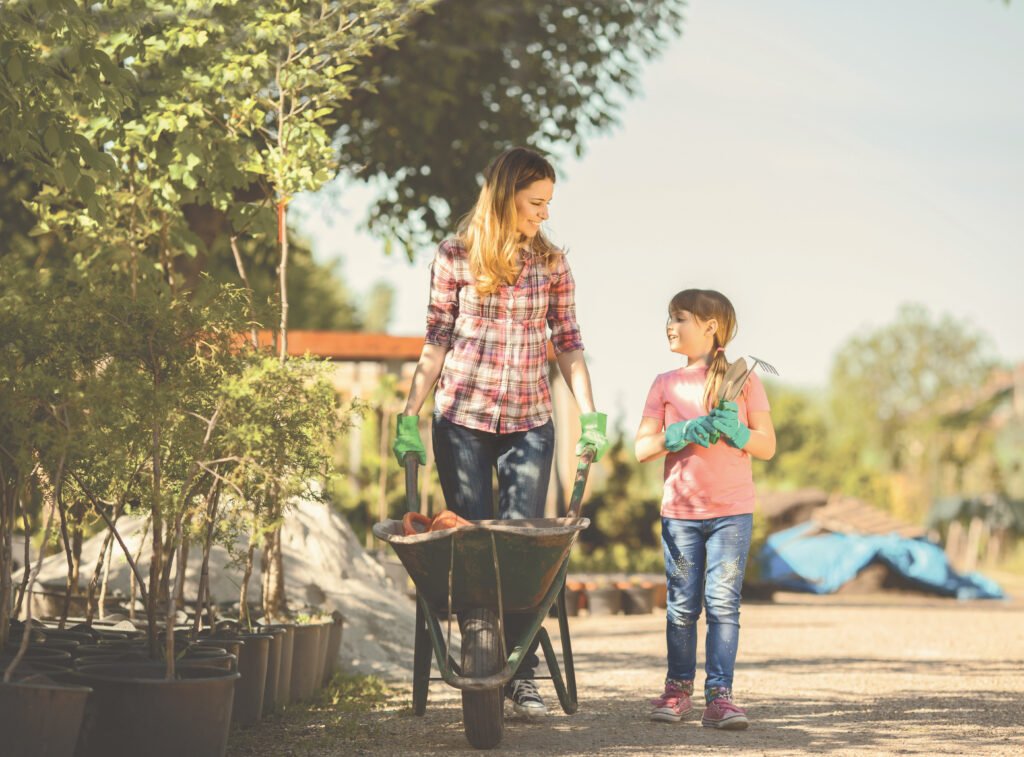

As spring arrives, numerous parents embark on gardening adventures with their children, sowing seeds for delightful vegetables—or perhaps a few crooked carrots—to harvest during the summer months. Involving kids in the gardening journey not only broadens their ecological understanding but also offers various mental and physical health perks. There’s truly no age limit for starting a gardening experience with youngsters!
Broaden Your Horizons
The gardening experience extends beyond simply planting seeds for children. It places them within a broader ecosystem that can enlighten and motivate kids of all ages, all while encouraging outdoor activity.
A survey conducted in 2012 by the David Suzuki Foundation revealed that around 70 percent of youth spend approximately an hour or less outdoors each day. This research underscored the necessity for young children to engage with the outdoors, highlighting the vital role parents play in ensuring that their teens interact with nature.
Nurturing Connections
Expert Tran recommends cultivating plants that will continuously engage children throughout the growing season, fostering a lasting relationship between the child and the plant. Kids have the opportunity to understand their plants more deeply by:
- caring for them
- observing their growth
- harvesting produce
- assisting in meal preparation
- using them in home decor
- transforming them into gifts
- drying them for later use
- saving seeds for future planting
Tran also suggests teaching children about beneficial weeds found in the garden, such as dandelion and chickweed, which are actually edible.
Encourage Observation
A wonderful way to connect children to the natural world is for parents to join them outdoors. Whether it’s a visit to the local park, an exploration of the backyard, or a stroll along a nearby path, these moments can deepen their appreciation for nature.
By facilitating experiences where they can observe birds in flight, wildflower colors, busy squirrels, or the variety of tree canopies, parents and children can come to view their surroundings as part of a larger ecological framework.
Cultivate Environmental Stewardship
What’s the connection between gardening and our ecosystem? Taking on a gardening project as a family demonstrates that gardening goes beyond merely growing food or maintaining beautiful aesthetics.
Research flowers and plants that attract pollinators like hummingbirds, butterflies, and bees. Investigate which insects prefer water sources or seek refuge in rock gardens. Identify different trees in your locality or the birds that visit your garden, and delve into their unique traits.
By understanding how various components of nature interlink, children will start realizing that their gardens exist within a broader ecosystem.
Creating Connections
Lea Tran, a horticultural therapist and plant spirit medicine healer based in Guelph, Ontario, believes that gardening instills a sense of purpose in children.
“Children learn that every being plays a role in the ecosystem. All things are interconnected, and each has a unique contribution essential to the continuation of life,” she notes.
To facilitate children’s understanding of ecosystems, Tran offers these suggestions:
- Present plant care as an enjoyable, serious, and fascinating responsibility.
- Create routines for plant care and provide journals where kids can document and draw their observations.
- Segment the garden into distinct areas for each child, allowing them personal responsibility over specific plants, thus nurturing a closer bond.
“Encouraging kids to engage their senses while gardening is vital,” notes Tran. “Participating in the creation of a family garden ignites feelings of wonder and enchantment.”
Nighttime Exploration
If summer heat drives you indoors, consider visiting parks or your backyard under the stars. Look for nocturnal creatures such as bats and fireflies, or investigate soil for worms in the compost to enrich the garden with nutrients.
Notice how the ecosystem transforms under a full moon, with certain sounds becoming amplified at night. Even simply lying on the ground while gazing at the stars serves as a reminder that everything is linked—without light, changing temperatures, and rain, gardening wouldn’t be feasible.
Choosing Seeds Wisely
To spark interest in gardening, Tran recommends starting with large, easy-to-handle seeds. Look for plants that produce substantial seedlings which grow rapidly to prevent confusion with weeds. Excellent options for kids include:
- peas
- beans
- sunflowers
- pumpkins
Herbs such as mint, lavender, thyme, and rosemary can also be started from seedlings. If flowers appeal to young gardeners, consider easy-to-grow varieties like calendula, zinnias, and marigolds.
Construct a Bee House
Building a bee house for sting-less Mason bees provides children an opportunity to observe these vital pollinators up close. To create one, drill holes in a block of wood or fill a small wooden container with hollow stems to suspend on a fence. Set the box out in early spring for the kids to witness egg hatching. The larvae will develop into cocoons during the summer, and by the following spring, the adult bees will emerge from their cocoons.
For more information about Mason bees, consult your local gardening center.
Connecting to Nature
It has been extensively studied that hands-on gardening experiences yield numerous benefits for children, including enhanced learning outcomes. Eager to eat what they grow, young gardeners are also more inclined to make healthier food choices.
In a 2013 review by the Back to Nature Network, research examined the link between green spaces and health. Analyzing over 100 studies, the findings revealed that regular time spent in natural environments results in positive health outcomes: children engaged regularly with nature demonstrate reduced aggressive behavior, improved self-control, and enhanced overall mental and physical well-being.
The primary rule for gardening with children is straightforward: keep the experience enjoyable. The more time families invest in the garden, the greater the chances of encountering the sight of bees buzzing near zinnias or a chipmunk pilfering sunflower seeds—all while relishing the taste of oddly shaped yet delightful homegrown carrots.