
With numerous herbs recognized for their health-promoting qualities, it can be challenging to select a few for this list. Many of these traditional medicinal herbs not only offer extensive health advantages but are also exhibiting antiviral characteristics in recent studies. Below are several that have garnered attention in scientific research.
Cat’s Claw (Uncaria tomentosa)
This tropical vine, traditionally utilized for arthritis relief, has showcased antiviral effects in cell studies, particularly against the herpes virus. Recent investigations have focused on some of its bioactive elements in relation to spike protein cells of the SARS-CoV-2 virus.
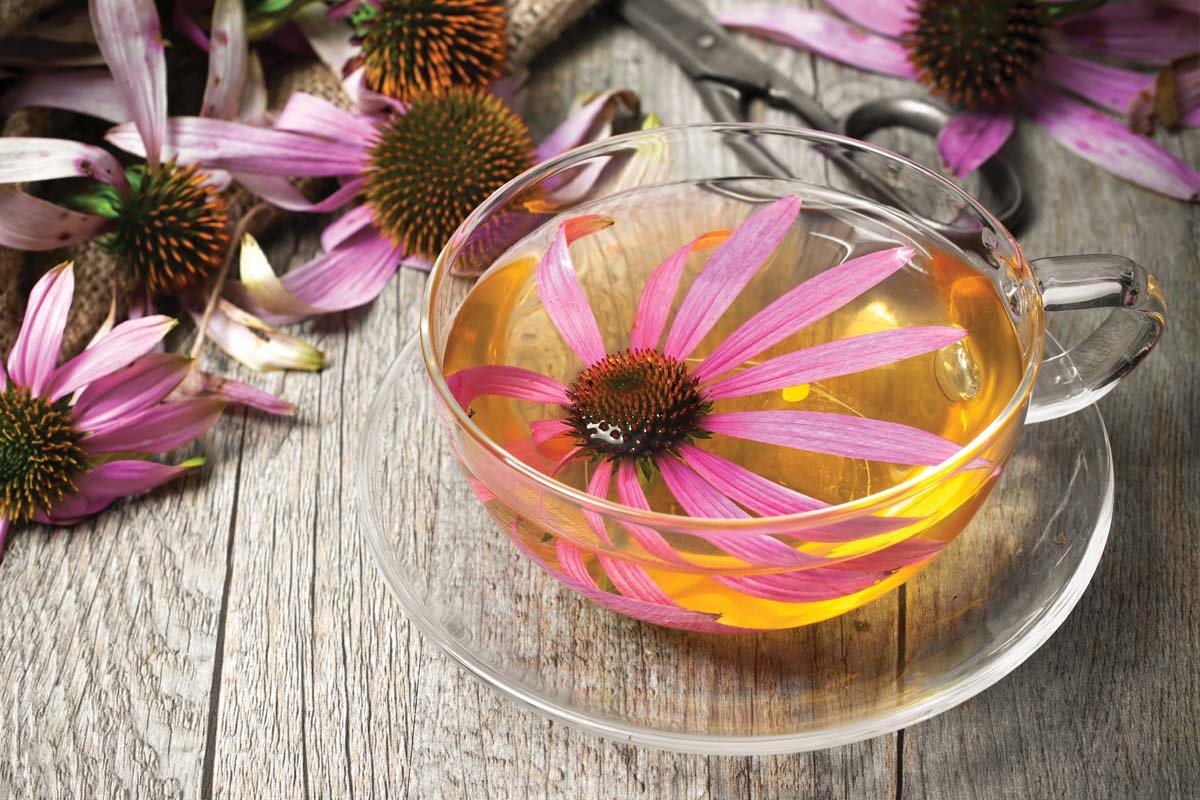
Echinacea (Echinacea purpurea)
A favorite among North Americans for combating viruses and infections, echinacea has shown promising antiviral properties against the common cold coronavirus and might also hold potential against SARS-CoV-2, as per preliminary studies published in Virology Journal.
Elderberry (Sambucus nigra)
Prevalent in various regions of Canada, elderberry is widely regarded as a powerful natural antiviral. Studies confirm its efficacy against the influenza A virus, along with its effectiveness in treating other upper respiratory infections.
Garlic (Allium sativum)
Widely available both in Canada and globally, garlic has long been esteemed for its health benefits. Recent research featured in Trends in Food Science and Technology indicates that the organosulfur compounds in garlic may bolster immune function while hindering viruses from penetrating host cells for replication.
Ginger (Zingiber officinale)
A beloved culinary herb, ginger has been researched in the Journal of Ethnopharmacology, where findings revealed that fresh ginger (unlike its dried counterpart) can effectively inhibit the human respiratory syncytial virus (HRSV), responsible for mild cold-like symptoms.
Lemon Balm (Melissa officinalis)
This widely grown herb not only lends flavor to teas but has also shown antiviral activity in cell cultures against the herpes simplex virus.
Licorice (Glycyrrhiza glabra)
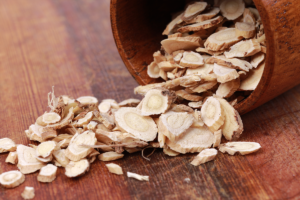
Licorice’s extensive history of use spans back over 2,300 years, as recommended by the Greek botanist Theophrastus. This herb contains antiviral compounds like glycyrrhizin (GL) and 18β-glycyrrhetinic acid (GA). Studies have shown GL to be effective against influenza, herpes simplex 1, and various other viruses, while GA has been found effective against rotavirus and HRSV.
Oregano (Origanum vulgare)
In ancient Greece, oregano was believed by some to be a creation of Aphrodite, meant to bring happiness—a belief supported by its culinary prominence. Initial research published in the Journal of Virology found that the carvacrol present in oregano oil significantly disrupted the replication of human immunodeficiency viruses (HIV).
As interactions between drugs and herbs, as well as medical contraindications, are common, it’s advisable to discuss the suitability of these herbal antivirals with your healthcare provider.
*Be sure to adhere to packaging instructions for the remedy you choose.
This article was originally featured in the April 2022 edition of up7op.