
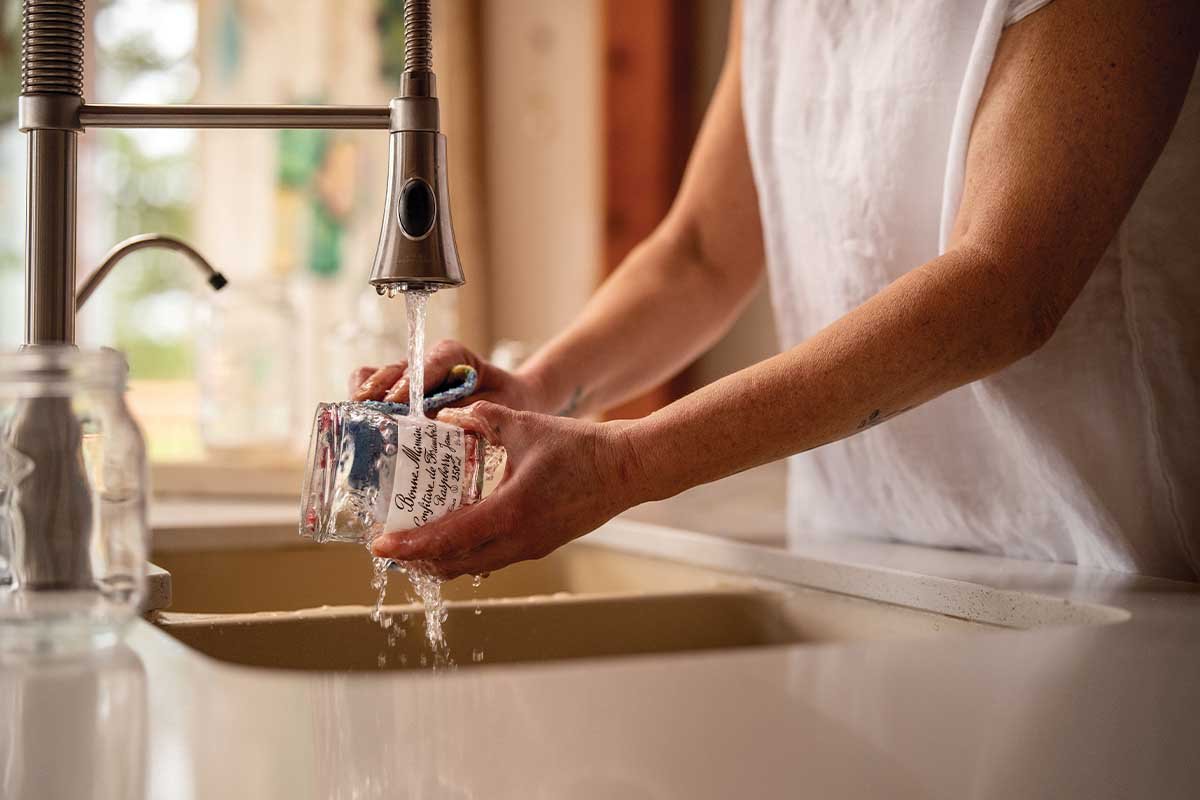

Recycling initiatives for materials such as metals, glass, plastics, and paper are increasingly accessible both at home and in public spaces. However, the effectiveness and methods of recycling can vary significantly depending on the region. In this article, we explore the recycling regulations and practices across Canadian provinces and territories, and highlight how you can contribute to recycling efforts.
Recycling Practices Across Canada
Western Canada
British Columbia (BC) leads the way with an impressive 99 percent of residents having access to packaging and paper recycling services due to the implementation of an extended producer responsibility (EPR) system in 2014. This framework holds producers accountable for the entire lifecycle of their products.
BC has also achieved a low contamination rate attributed to comprehensive educational campaigns and well-structured material categories at local depots.
In 2023, Recycle BC initiated operations with a fully electric truck, resulting in a reduction of 19,658 tonnes of greenhouse gas emissions in its first year—equivalent to removing four cars from the road annually.
Alberta, Saskatchewan, and Manitoba similarly employ a producer-responsibility framework.
Manitoba has made significant strides, with 95 percent of its population now having access to recycling services. The province’s Recyclepedia tool assists residents in locating proper recycling methods and sites. Recovery rates for eligible packaging and printed paper have dramatically improved—rising from 52 percent in 2010 to 71.8 percent in 2022.
Eastern Canada
Ontario is in the midst of transitioning from a collaborative recycling system involving municipalities and producers to an EPR model, which is expected to be fully operational by 2026.
Quebec achieved one of the highest solid waste diversion rates in Canada in 2022, exceeding 30 percent—a rate comparable to those of Nova Scotia and BC.
New Brunswick is set to launch its own EPR program in November 2024, with an additional provincial initiative for recycling batteries and light bulbs underway.
In 2022, Nova Scotia proudly recorded the highest waste diversion rate in the country at 43 percent.
Northern Canada
The Northwest Territories offer various recycling programs, including those for beverage containers, electronics, and single-use retail bags, plus initiatives to encourage waste reduction. The community is actively encouraged to propose projects aimed at waste minimization and recycling, such as the Food First Foundation, which provided reusable dishware for schools.
Yukon plans to enact an EPR initiative by 2025, with current recycling methods ranging from subscription-based curbside blue bin systems to community recycling drop-off points.
Reevaluating Recycling
Prevention
The most effective strategy to minimize waste is prevention. Make conscious purchasing decisions, opt for second-hand items, or consider borrowing, renting, or sharing items that you do not frequently use.
Reuse
Consider reusing items creatively: empty metal containers can be used for storing oil or grease, while discarded cartons can serve as planters. Additionally, repurpose plastic packaging for lining bins, donate gently used clothes to thrift shops, or turn old socks into pet toys.
Organization
Streamline your recycling process. To engage your entire household in recycling, keep bins in all rooms—particularly bathrooms—for easy access.
Getting Started at Home
Being meticulous about what and how you recycle is essential. Upon reaching recycling facilities, materials are processed through conveyor systems that involve sorting via hand-picking, magnets, and air classifiers.
The presence of non-recyclable items or improperly prepared recyclables—such as jars that are not rinsed or labels that aren’t removed—can lead to contamination of whole batches. This may adversely affect the viability of recycling loads, incurring additional costs in both financial and environmental terms.
Beyond the Blue Bin
Recycling options extend far beyond what is placed in blue bins:
- Writing instruments can be returned through the Staples Free Recycling Program.
- Optometrists may accept old glasses for recycling.
- Electronics such as TVs, computers, and cell phones can be recycled at sites operated by the Electronic Products Recycling Association across Canada.
This article was originally featured in the April 2025 edition of up7op magazine.