


01
Electrolytes for hydration
As summer make its entrance, we seize the opportunity for new travel plans, family outings, and leisurely days by the pool. However, amidst these activities, it’s vital to give our bodies the extra care they require to adapt to seasonal changes. Below, you’ll discover a curated list of 10 essential supplements to help you thrive throughout the warm season.
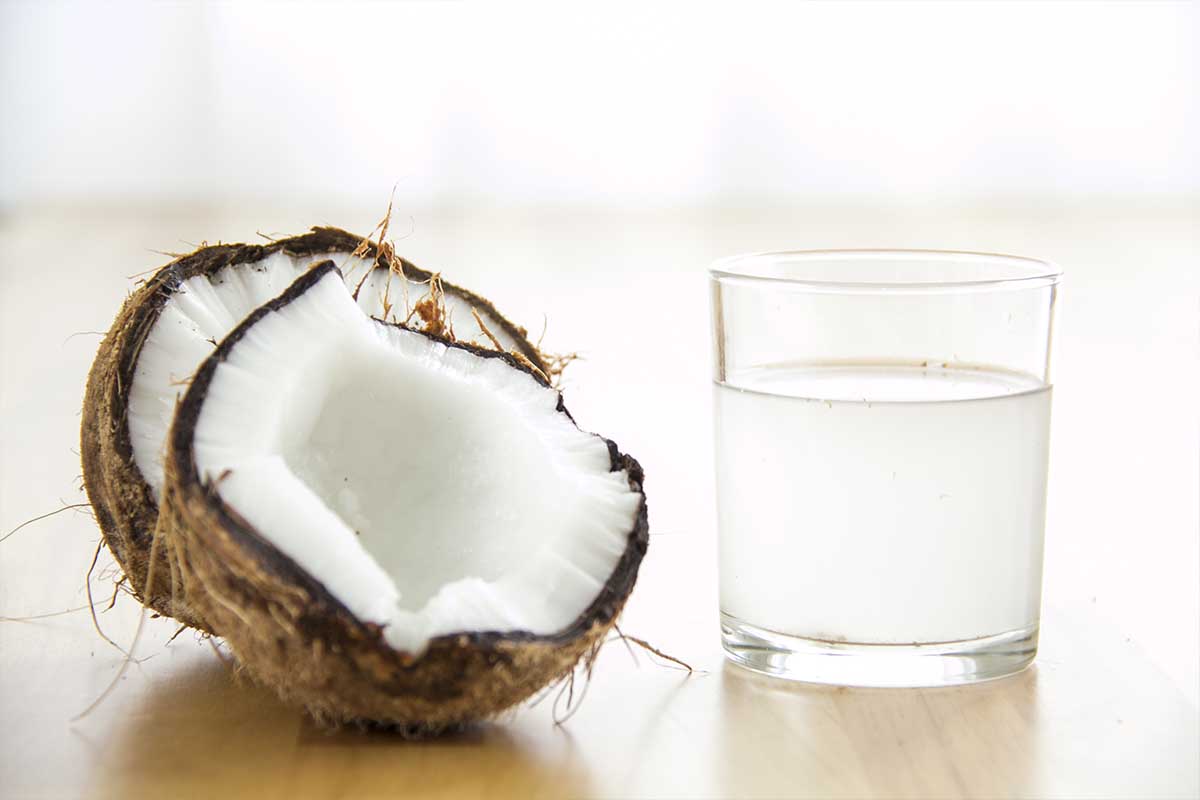
Engaging in outdoor activities like hiking or gardening under the scorching sun can easily lead to dehydration. Our bodies lose crucial electrolytes—essential minerals, including calcium and magnesium—when we sweat. To effectively replenish these electrolytes, focus on a nutrient-rich diet, hydrating fluids like coconut water (a superb source of electrolytes), and dietary supplements available in capsule or powder form.
02
Vitamin D for overall health

You may know vitamin D as the sunshine vitamin, essential for calcium and phosphorus absorption, which in turn supports bone strength and immune function. Given that few foods are high in vitamin D, supplementation becomes the most effective means to boost your levels. While natural sunlight is a significant source, sunscreen application can impede absorption by over 90%, making vitamin D supplementation pivotal during summer months.
03
Digestive enzymes to aid digestion

Summer gatherings often mean enjoying backyard barbecues, patio dinners, and increased travel opportunities, which can lead to digestive discomfort such as bloating or cramping. Furthermore, high temperatures may disrupt the balance of gut bacteria. Taking digestive enzymes—proteins that facilitate food breakdown and energy conversion—can be beneficial during these food-centric summer occasions.
04
Probiotics for better gut health
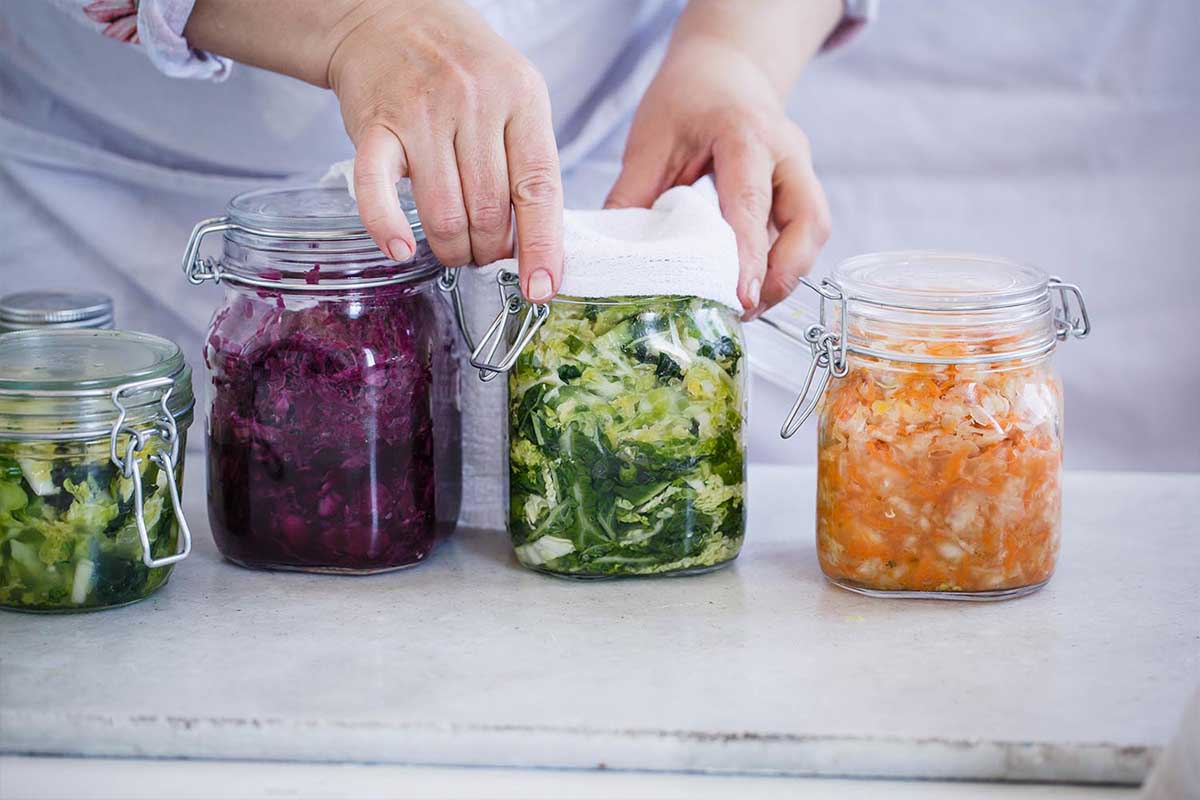
Similar to how digestive enzymes assist digestion, probiotics maintain a balanced gut environment. These beneficial microorganisms, which already exist in abundance within your digestive system, can help foster a healthy bacterial balance. If your summer diet lacks a range of probiotic-rich foods or you find yourself facing a stomach virus, consider integrating a probiotic supplement into your routine.
05
Collagen for nourished skin

While sunscreen is an effective shield against skin damage, recent studies suggest that collagen peptides may also offer added protection against UV harm. Collagen, a vital structural protein present in our skin and bones, is available in digestible forms such as peptides. Seeking collagen supplements in pill or powder formats can enhance skin elasticity and moisture retention.
06
Melatonin to treat jet lag

Traveling to different time zones can disrupt your body’s internal clock, making it harder to rest during flights. A melatonin supplement can help reestablish your circadian rhythm by signaling your body that it’s time to sleep, even in bright conditions. Keep in mind, jet lag is generally more severe when journeying east than west, so plan for additional adjustment time.
07
B-complex vitamin for energy

While B12 and B6 are frequently highlighted, there are actually eight B vitamins essential for maintaining health, collectively referred to as the B-complex group. These vitamins play a crucial role in converting food into glucose, which provides the energy needed for our active summer days.
08
Vitamin C to sidestep summer colds
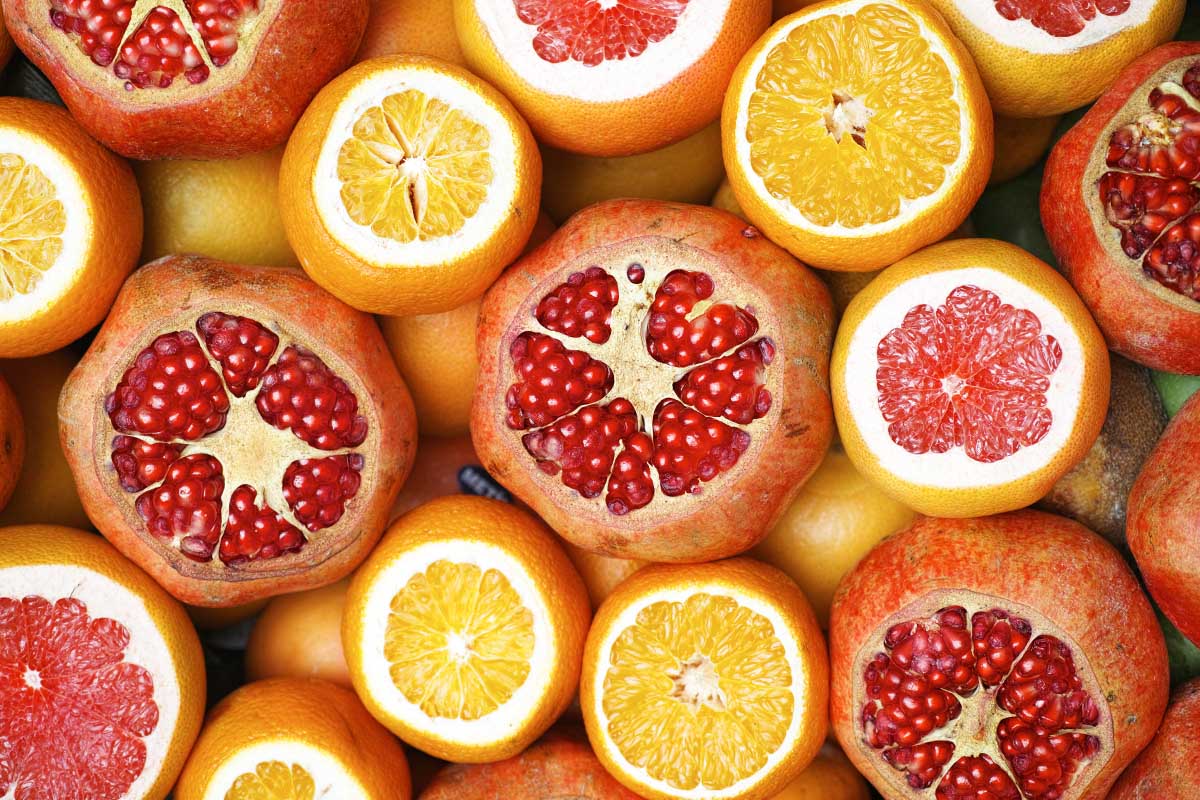
With busier schedules and frequent travel, our immune systems may become more vulnerable, particularly when dining out entails fewer vitamin C-rich food options. This vital nutrient is known for its potent antioxidant properties and can help ward off summer colds. Because vitamin C is water-soluble and not easily stored in the body, daily supplementation can be beneficial when dietary intake is insufficient.
09
Omega-3s for skin protection
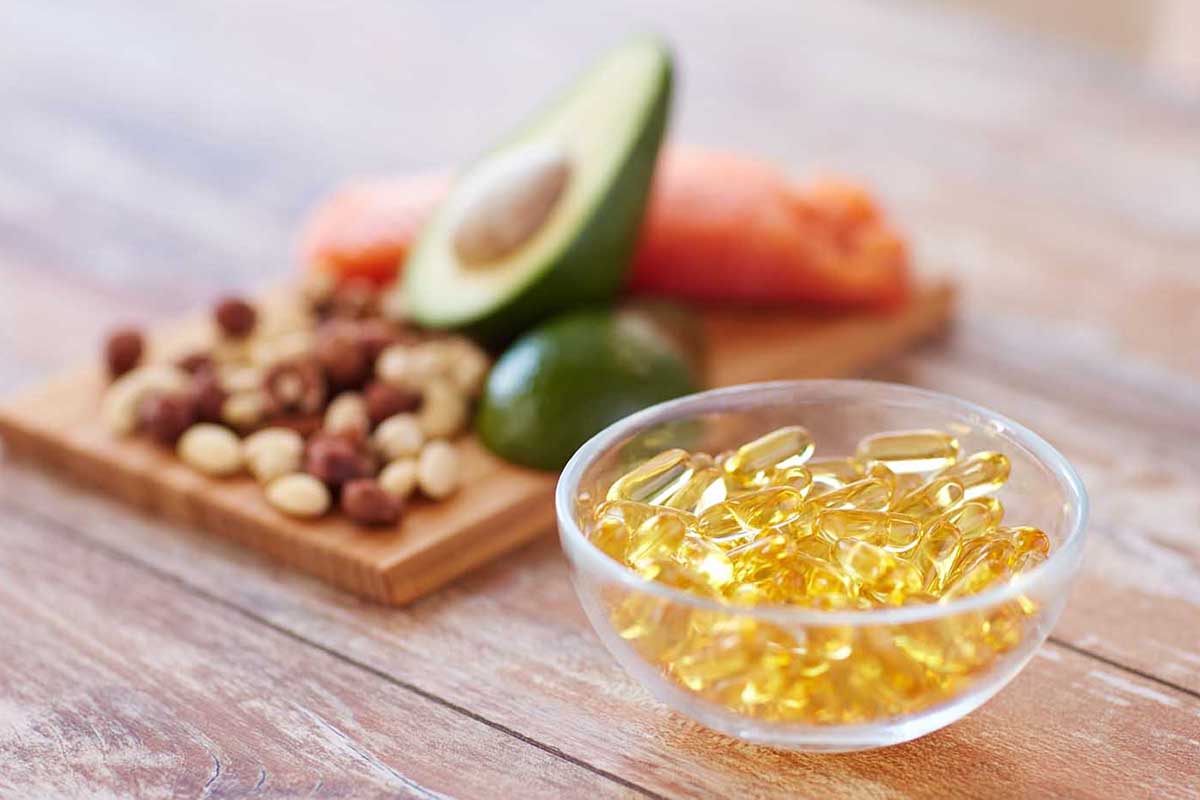
It has been shown that fish oil supplements might help alleviate sun-induced inflammation (such as sunburn) and even provide a degree of protection against UV rays. Omega-3 fatty acids could modify how the skin reacts to UV exposure. While this does not replace the need for SPF, it underscores the added advantages of incorporating omega-3s into your summer diet.
10
Quercetin for seasonal allergies

As the temperature rises, many of us also face the onset of allergies. Rather than enduring the discomfort, consider incorporating quercetin—an organic flavonoid that gives coloration to a variety of fruits and vegetables. Studies indicate that quercetin may inhibit the release of histamines from immune cells, potentially alleviating allergy symptoms during peak seasons.