


01
Let’s Begin the Conversation
As individuals grow older, various physiological transformations occur, some of which can interfere with sexual enjoyment or function. For men, while aging can influence sexual vitality, there are numerous strategies available to maintain sexual health and performance over time.

“Most men don’t feel comfortable discussing sexual issues, particularly sexual dysfunction,” notes Dr. Ryan Flannigan, head of the Male Infertility and Sexual Medicine Research Program at the University of British Columbia (UBC). “I emphasize the commonality of this experience and encourage them to talk about it with their doctor, as many treatment options are accessible.”
02
Understanding Testosterone

Testosterone stands as the predominant male sex hormone, synthesized in the testes and regulated by a signal from the brain to the pituitary gland. It plays a crucial role in controlling sexual drive (libido), sperm generation, muscle mass, and bone density.
With advancing age, testosterone production diminishes, leading to a phenomenon referred to as andropause. This decline is more gradual compared to the hormonal drops experienced during menopause in women. Symptoms of low testosterone can manifest as reduced sexual interest and infertility, and may also contribute to erectile dysfunction (ED), defined by challenges in achieving or maintaining an erection.
03
Navigating Your 30s

According to a 2016 study published in Therapeutic Advances in Urology, testosterone levels decline at a rate of 0.4 to 2 percent each year after the age of 30.
Dr. Flannigan mentions that rapid ejaculation can arise in this decade, a situation that can be concerning but manageable. Techniques such as “stop-start” methods or applying pressure to the tip of the penis when near climax may offer relief. Additionally, using condoms can be beneficial, and discussing topical treatments with a healthcare provider may be advisable.
04
The 40s and Sexual Health

Erectile dysfunction becomes increasingly prevalent in the 40s, though exact prevalence rates remain uncertain, says Dr. Flannigan.
“The actual incidence of ED is estimated to be three to eight times greater than what is reported to clinicians,” he explains. “Most men tend not to seek help or assessment.” This condition is often linked to coexisting health issues like diabetes, obesity, and hypertension.
05
Your 50s: A Shift

During this decade, some men may face delays in orgasm or ejaculation, with prevalence soaring from 3 percent among 50-year-olds to 35 percent in those aged 75 and older.
Dr. Flannigan remarks, “Among all sexual dysfunctions, experiencing delayed orgasm can be particularly distressing for many men.”
06
The 60s: New Challenges

Peyronie’s disease affects approximately 1 to 23 percent of men aged 40 to 70. This condition is characterized by the formation of plaque or scar tissue on the penile lining, leading to curvature, bending, or deformities. The exact cause remains unknown.
“This can have a significant emotional impact,” says Dr. Flannigan. “Curvature may range from mild to severe, and some men experience erectile difficulties that complicate intimacy.” If you suspect you have Peyronie’s disease, discussing it with your healthcare provider can lead to various treatment options.
07
The 70s and Beyond

Data from the previously mentioned Therapeutic Advances in Urology study indicates that around 35 percent of men in their 70s have lower testosterone levels compared to younger counterparts.
It’s important to recognize that erectile dysfunction is linked to cardiovascular health, which often declines with age. Taking proactive measures such as maintaining a healthy weight, engaging in regular physical activity, and eating a balanced diet can benefit both heart and sexual health. “Your heart health directly impacts your sexual function,” stresses Dr. Flannigan.
08
Natural vs. Synthetic Testosterone

Bio-identical hormones, known as natural hormones, match the chemical structure of those produced by the body and originate from plant estrogens. Both synthetic hormone-replacement therapy and bio-identical hormones carry associated risks and benefits; it is recommended to consult your healthcare professional to determine which option suits your needs best.
09
Natural Ways to Enhance Sexual Health and Function
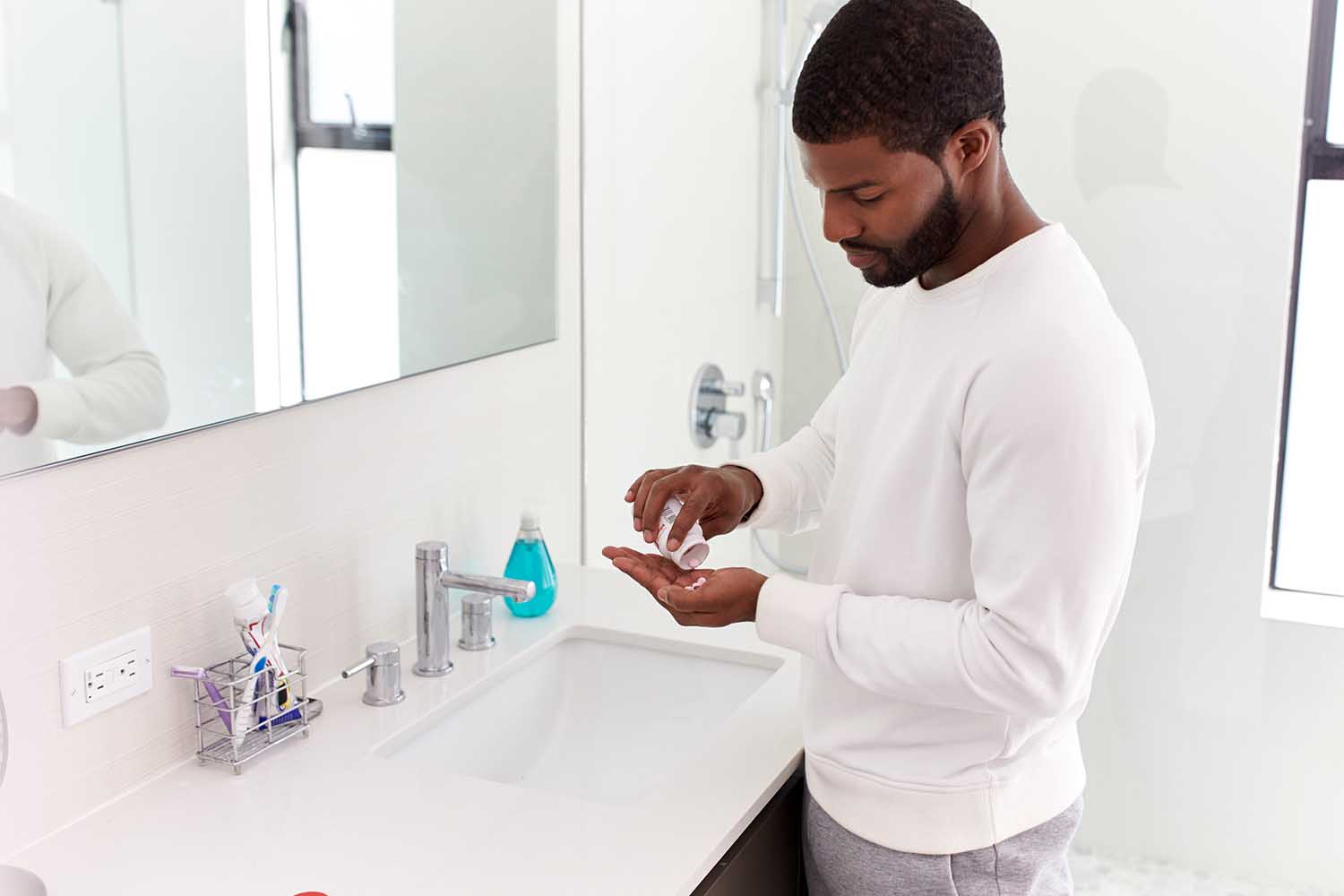
Supplements
While further studies are necessary, some supplements such as maca, tribulus, and ginseng have shown potential as sexual enhancers. L-arginine, an amino acid, may assist with improving erections, and niacin, a B vitamin, could mitigate ED in those with high cholesterol levels.
Mindfulness Practices
This technique focuses on being present without judgment and has been well studied for its effects on sexual difficulties in women but is equally beneficial for men. Research conducted by Lori Brotto, director of the UBC Sexual Health Lab, indicates that mindfulness can address issues like rapid ejaculation and sex-related discomfort. “Our findings suggest that by reshaping arousal through mindful awareness rather than fixation on achieving goals, men can experience positive outcomes,” Brotto stated in a commentary published in the Journal of Sexual Medicine in 2015.
10
Lifestyle Changes to Enhance Testosterone

- Maintain an optimal body weight.
- Engage in regular physical activity.
- Follow a nutritious diet enriched with vegetables, fruits, lean proteins, and healthy fats.
- Ensure adequate quality sleep.
- Manage stress effectively.
“Improving mental health can have a substantial impact on your sexual health,” notes Dr. Ryan Flannigan. “Stress-induced hormones can adversely affect erectile function, making mental well-being crucial for a fulfilling sex life.”