
You may have come across the practice of oil pulling, an age-old Ayurvedic method that involves swishing oil in your mouth to eliminate toxins and enhance oral hygiene. Even Victoria’s Secret model Miranda Kerr credits this method for her stunning smile. But do these claims hold up, and how should you perform oil pulling?
Potential Advantages
Aside from aiding in fresher breath, oil pulling is often touted as an effective means to detoxify the body. Advocates claim that it can also:
- brighten teeth
- combat gum disease
- prevent cavities
- alleviate dry throat and chapped lips
While scientific backing is minimal, one small-scale study indicated that oil pulling and mouthwash both decreased plaque levels—and many would argue that oil has a more pleasant taste. Another research found that using coconut oil for oil pulling significantly lowered plaque build-up and gingivitis.
In summary, regardless of the skepticism surrounding it, oil pulling is generally regarded as a safe, natural method, making it worth a try.
How to Do It
Timing: It’s best to do this in the morning! Aim for oil pulling before eating or drinking, especially after waking up when your mouth is full of bacteria.
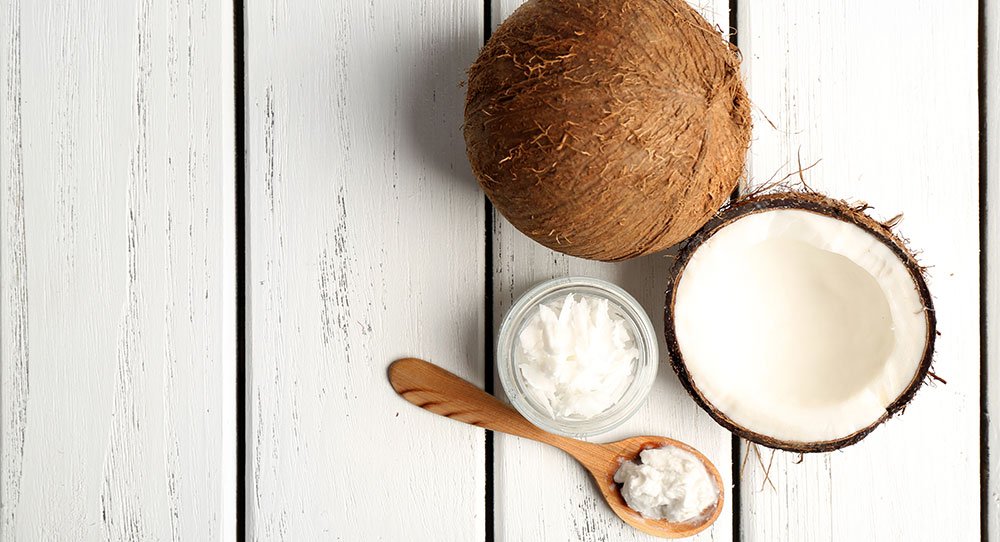
Selection: You’ll want to choose an oil. Coconut oil is a favorite due to its anti-inflammatory and antimicrobial properties and can be used in either solid or liquid form. However, other edible oils like sesame, sunflower, or olive oil are also effective.
Process: Take about 1 to 2 teaspoons (5 to 10 mL) of oil and gently swish it in your mouth, making sure to pull it between your teeth. Ideally, you should do this for 15 to 20 minutes, or five minutes if you find the texture uncomfortable.
Important Reminder: Avoid swallowing the oil; the goal is to extract toxins, not consume them. To prevent plumbing issues, it’s advisable to spit the oil into the trash. After you finish, rinse your mouth with water, brush your teeth as you normally would, and enjoy a confident smile with those bright, polished teeth.