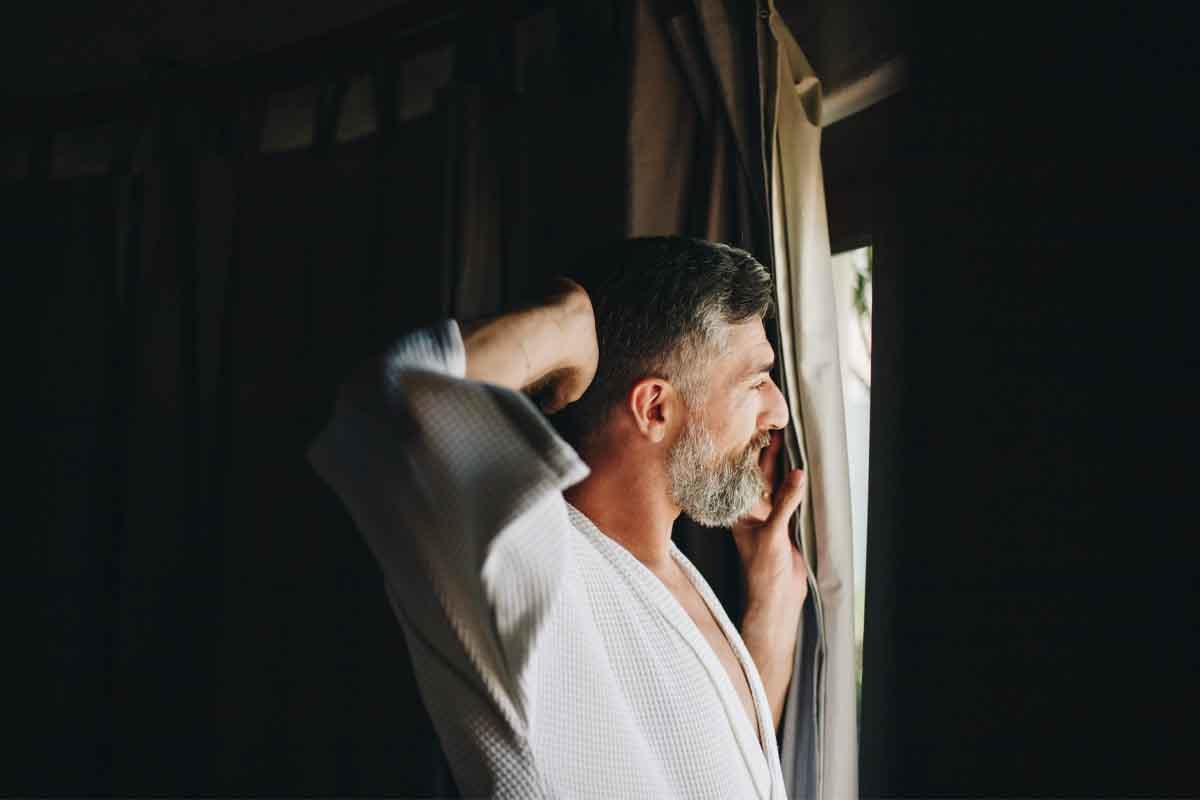

For sleep tourists, the focus shifts away from adventures, sightseeing, and beach relaxation: their priority is simply achieving a restful night’s sleep.
The rise of sleep tourism
The sleep tourism industry is experiencing significant growth, with analysts projecting even further development. The market, valued at approximately US$74.54 billion in 2024, is anticipated to soar to US$148.98 billion by 2030.
This growth is largely fueled by the increasing focus on health and wellness, a surge in sleep disorders, and a growing population that struggles with sleep deprivation and stress.
A recent research study has highlighted the widespread issue of inadequate sleep globally, labeling it an underappreciated public health crisis.
The repercussions of this phenomenon are considerable: it not only presents a substantial economic burden but is also linked with higher rates of cardiovascular disease, diabetes, obesity, and traffic incidents.
Imagining your restful getaway
Sleep tourism varies widely by destination. For instance, at Hilton’s Conrad Bali, guests can nestle into cocoon-like hammocks designed to enhance their sleep experience, while at Lefay in Lake Garda, Italy, both Eastern and Western medicinal practices are employed to aid restful slumber.
At Jersey’s Longueville Manor, the Sleep Easy program includes consultations with a psychotherapist and sleep expert, utilizing evidence-based methods such as cognitive behavioral therapy for insomnia (CBT-I).
Various accommodations have also integrated perks like pillow options, white noise machines, dark-out curtains, hypoallergenic linens, and high-tech beds.
In Canada, Mountain Trek Health Reset Retreat, located in British Columbia’s Kootenay mountains, offers a week-long holistic retreat focusing on health and wellness. According to Kirkland Shave, the program’s creator, 50% of attendees list rest among their top two priorities. The programming incorporates the latest research and guest insights.
During their stay, visitors awaken to the soothing sounds of songbirds and the gentle glow of their bedside clocks, engaging in activities like yoga, outdoor hikes, health talks, fitness sessions, massages, and guided relaxation. Nutritious meals are crafted based on an anti-inflammatory diet designed by a nutritionist.
A primary focus at Mountain Trek is helping guests apply the experiences gained during the retreat to their busy lives. Participants outline health goals they wish to adopt as lasting habits and work on implementing one or two of these at home.
Shave provides continuous coaching after the retreat, emphasizing the development of consistent habits. “Guests refine their routines until they become second nature,” Shave explains, “similar to brushing one’s teeth before bedtime.”
Bringing sleep back home
Shave advocates that the most effective method to restore sleep quality in daily life is to reduce screen time. He recommends gradual adjustments: begin by eliminating device use 30 minutes before bedtime, advancing to one hour, and ultimately aiming for two hours. Studies consistently indicate that individuals who use electronic devices before sleeping experience lower quality sleep compared to those who don’t.
Mountain Trek encourages bedtime journaling as a regular practice. This can involve listing tasks for the following day, addressing three emotional concerns, or reflecting on three things one is thankful for.
Creating a spa-like environment at home
Recreating a soothing spa atmosphere can help prepare the body for sleep. Here are some suggestions:
- Take a warm bath with Epsom salts and lavender while enjoying a cup of chamomile tea.
- Settle into a cozy bed with high-quality linens, a supportive mattress, and a comfortable pillow.
- Read something calming under a soft amber light.
If you’re grappling with sleep issues due to stress from work, home, or relationships, Shave advises against panicking.
“Just focus on gradually improving habits that foster sleep,” Shave suggests. “Then, construct your lifestyle around ensuring you get restorative sleep—it’s crucial for longevity.”
This article originally appeared in the December 2025 edition of up7op magazine.