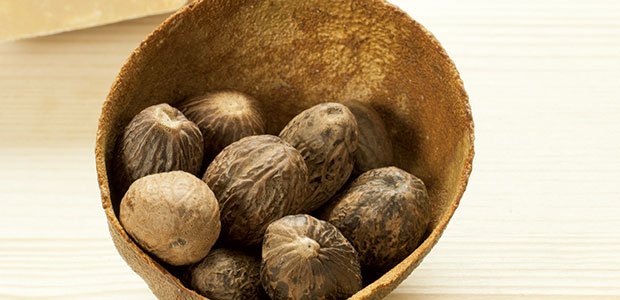

Shea butter is derived from the nuts of the shea tree. Historically utilized as both a food source and medicinal oil in African regions where these trees flourish, it is now commonly used as a substitute for cocoa butter and as an essential ingredient in various skincare formulations. Its effectiveness in combating the harsh effects of winter dryness is well-recognized.
Winter Dryness
The winter season often brings challenges for skin health. The low humidity levels can strip the skin of its natural moisture, leading to issues like cracking, chapping, and irritation. Interestingly, wintertime sun exposure can be just as harmful as in summer. This season’s mix of cold air, moisture loss, wind, and sunlight can significantly affect the skin.
As holistic health practitioner Anne-Marie Martin points out, “Any area of skin that is not shielded from cold winds is especially vulnerable.” Common affected areas typically include the face and hands.
“Knees and elbows are also often more susceptible to dryness,” Martin observes. Staying indoors might not offer much relief either, as many conventional heating systems tend to further dehydrate the skin.
Additional Causes of Dryness
Cosmetic products with chemical additives can worsen skin conditions. Antimicrobial soaps may disrupt the skin’s natural acidity, which serves as a protective barrier. Similarly, other soaps or alcohol-based lotions can lead to increased dryness. Talcum powders should also be avoided as talc may foster yeast growth and has been associated with various health risks.
Benefits of Shea Butter
Shea butter is beneficial for skin health in several ways:
- It acts as an emollient, providing softness and alleviation for dry skin.
- It reduces flaking while restoring skin suppleness, enhancing the appearance of damaged skin.
- It helps to prevent moisture loss, increasing the hydration level of skin cells.
Bioactive Components
This natural butter is rich in bioactive substances including vitamins A and E, essential fatty acids, and various phytonutrients. It contains compounds like triterpene acetates and cinnamates, which, according to a 2010 animal study, exhibited notable anti-inflammatory and anti-tumor properties for skin health.
Refined vs. Unrefined
Shea butter is a favored ingredient in many skincare products. Martin emphasizes the importance of quality when selecting shea butter, stating, “It’s vital to consider the quality of the product.”
Refined shea butter usually presents a smoother, whiter texture devoid of its natural scent. Martin recommends choosing grade A unrefined shea butter—whether raw or handcrafted—which typically displays a creamy light yellow hue and has a slightly grainier texture and nutty fragrance compared to refined varieties.
The Role of Moisturizers
Moisturizing is essential for maintaining soft, smooth, and healthy-looking skin. It’s beneficial to use lighter creams and lotions with shea butter throughout the day. The optimal time for moisturizing is right after bathing, when the skin remains damp. “Shea butter absorbs quickly without leaving a greasy feel,” Martin advises. “It forms a protective barrier on the skin’s surface that lasts for hours.”
Before Showering
Martin suggests applying organic, unrefined sesame oil or the Ayurvedic oil known as mahanarayan to the skin prior to showering. For those allergic to sesame oil, olive or coconut oil may be suitable alternatives. “These oils serve as natural cleansers and help to prevent skin dehydration during bathing,” she notes.
Hair Care
During winter, hair is also prone to damage from dry air and sun exposure. Thanks to its lightweight and non-greasy properties, shea butter can be an excellent leave-in conditioner.
After washing, Martin recommends taking a small amount (1/4 to 1/2 tsp or 1 to 2 mL) of shea butter, allowing it to warm and soften in your hands, then applying it to your hair and scalp. “Wrap your head in a towel for about 20 to 30 minutes, then remove the towel and style as usual,” she suggests.
Post-Shower Moisturizing
The ideal moment to moisturize is right after a bath or shower while skin is still somewhat moist. “Within three to five minutes after drying off, apply pure shea butter or a shea lotion for best results.”
Hand Care
Given their constant exposure, hands require diligent moisturizing. Regular hand washing can strip natural oils, resulting in roughness and dryness. Alcohol-based sanitizers are less effective than soap and water and can exacerbate dryness.
Martin also suggests using organic cotton gloves overnight after applying moisturizer. “This helps lock in moisture and promotes better absorption,” she explains.
Support Fair Trade Products
Over 4 million women in Africa are involved in the shea butter supply chain. In nations like Burkina Faso, harvesting shea nuts provides vital economic support to many underprivileged communities lacking resources for health and education.
Numerous shea butter products available in Canada are sourced from Fairtrade-certified cooperatives, which guarantee fair wages and decent working conditions for producers.
Purchasing Fairtrade-certified shea butter ensures that the product is obtained ethically and sustainably, aiding in the development of communities worldwide.
Enhance with Essential Oils
For added benefits, blend shea butter with essential oils such as lavender, palmarosa, geranium, or chamomile. By incorporating a few drops of your favorite essential oil into 1 to 2 tablespoons (15 to 30 mL) of shea butter, you can enhance its soothing properties while enjoying a pleasant aroma.