
The professionals at Dieticians of Canada urge that “exemplifying healthy eating behaviors within schools and childcare environments, combined with teaching children how to plan, shop for, and cook nutritious meals, can significantly influence lifelong dietary patterns.” So, what initiatives are being implemented by Canadian schools to translate this philosophy into practice? Quite a bit, in fact.
Numerous provinces, school districts, and individual institutions are stepping forward to promote nutritious choices for students amidst Canada’s celebrated “food revolution.”
The significance of healthy food options in educational institutions
Extensive evidence supports the critical role of encouraging healthy food selections within schools.
The 2010 provincial report, Guidelines for Food and Beverage Sales in BC Schools, highlights that “children who maintain healthy diets benefit from enhanced cognitive development and mental functions, greater self-esteem, decreased anxiety, and lower incidences of depression and hyperactivity.” This report underscores that “schools represent an optimal venue for enabling children and youth to make dietary choices that aid in realizing their full potential.”
In a related note, a recent correspondence to the Ontario Ministry of Education’s School Food and Beverage Policy references a 2009 publication in The Milbank Quarterly, asserting that “the interplay between health and educational achievement is crucial: without the foundation of health, schools struggle to fulfill their educational mission.”
With experts weighing in, many Canadian educational institutions are heeding the call and embarking on transformative changes toward healthier food options for students and staff.
Prioritizing lunch in BC schools
On a typical Tuesday morning, the halls of South Delta Secondary School in Metro Vancouver teem with activity as students rush to their lockers and exchange messages before heading to their next classes. Amidst the hustle, the enticing aroma of curry permeates the air, announcing the commencement of cafeteria meal preparations by the culinary arts students.
Here, traditional fast-food staples like fries and chicken nuggets are increasingly hard to find; students indulge in appetizing meals such as curried portobello mushrooms served with basmati rice, wild salmon burgers, quinoa salads, or vegetarian chili.
Under the guidance of instructor Gerald Worobetz, the culinary arts program at South Delta Secondary School engages approximately 1,200 students through hands-on experience where they learn and enjoy meals right in the cafeteria. This food program model is undoubtedly an envy to various students, parents, and educational figures.
“The days of balloons and burger grease are long gone,” Worobetz asserts. “We seldom use the fryer here; instead, we prioritize fresh and seasonal options. Our menus are designed to reduce heavy, starchy fare, incorporating plenty of fresh vegetables such as lettuce, tomatoes, celery, and cucumbers.”
Students contribute to menu planning
Culinary arts students in grades 10 through 12 play a key role in managing the school cafeteria, participating actively in weekly menu planning.
“On Mondays, we typically engage in discussions regarding available produce and the freshness of ingredients—this helps students connect with menu planning and understand the origins of their food,” explains Worobetz. “They take on various responsibilities related to the preparation of each day’s meals.”
Outdoor learning experiences
At the start of each academic year, Worobetz leads his students on excursions to outdoor locations such as local blackberry patches. “We freeze the berries for use in homemade muffins and sauces throughout winter,” he adds.
This outing serves as an opportunity for staff and students to bond while discussing the role of food in each student’s household and exploring culinary topics.
Worobetz recalls a poignant moment during a past field trip when a grade 10 student expressed a belief that potatoes grew on trees. “That moment was pivotal for me,” he recalls. “If students are disconnected from the source of their food, there’s an issue. Many families today are not gardening, leading to a lost connection with food. This program aims to reconnect students with that experience by encouraging them to peel and chop fresh ingredients rather than relying on pre-processed vegetables.”
Positive feedback from students
The healthier meal options have received enthusiastic responses from students. James, a grade 10 culinary arts participant, and Brody, an 11th grader, are all smiles as they chop fresh produce for the day’s special, a Thai salad. They express appreciation for the new menu items, noting that they don’t miss fried foods at all. Meanwhile, Jaden, an 8th grader, shares that his favorite cafeteria offerings include the salmon burgers and barbecue wraps.
Ontario schools join the healthy food movement
Other regions, such as Ontario, are also making strides by introducing healthier food policies in schools. The Peel District School Board serves over 150,000 students across 233 schools in Brampton, Caledon, and Mississauga, actively adopting innovative food policies.
Through the School Food Action Coalition—facilitated by EcoSource, an environmental organization—the Peel District School Board has partnered with Chartwells (a key food service provider for numerous schools) and Peel Public Health to enhance student awareness and involvement in food choices available in their cafeterias. Their initiatives include introducing new local ingredients and menu items and engaging students in discussions about forthcoming changes.
“One of our most effective initiatives has concentrated on student engagement,” noted Leo Kazlovskis, the Peel School food and beverage coordinator. “We recently hosted a meeting with over 150 student council presidents and executives to discuss the new Food and Beverage Policy and the anticipated changes in high school cafeterias due to improved nutrition standards. Students recognized the significance of these changes and showed enthusiasm for supporting healthier lifestyles encompassed by the policy.”
Secondary students in the Peel District also crafted their meal ideas featuring healthy, local Ontario foods as part of the Cooking Up Action! menu challenge. The winning entry from Gourmet Society 2 at Applewood Heights Secondary School featured an Ontario butternut squash soup and a main dish of herbed Ontario chicken with local cauliflower mash. This victory earned them $1,000 and a visit to a nearby farm, along with the promise of their dish being served in district cafeterias in fall 2011.
“Students have a genuine interest in participating in the food options available in their cafeterias,” emphasized Lea Ann Mallett, executive director of EcoSource, involved in the Peel School Food Action Coalition. “When students get to experience Ontario foods and create their own local menu items, they are empowered to make healthier choices.”
Students grow their own food
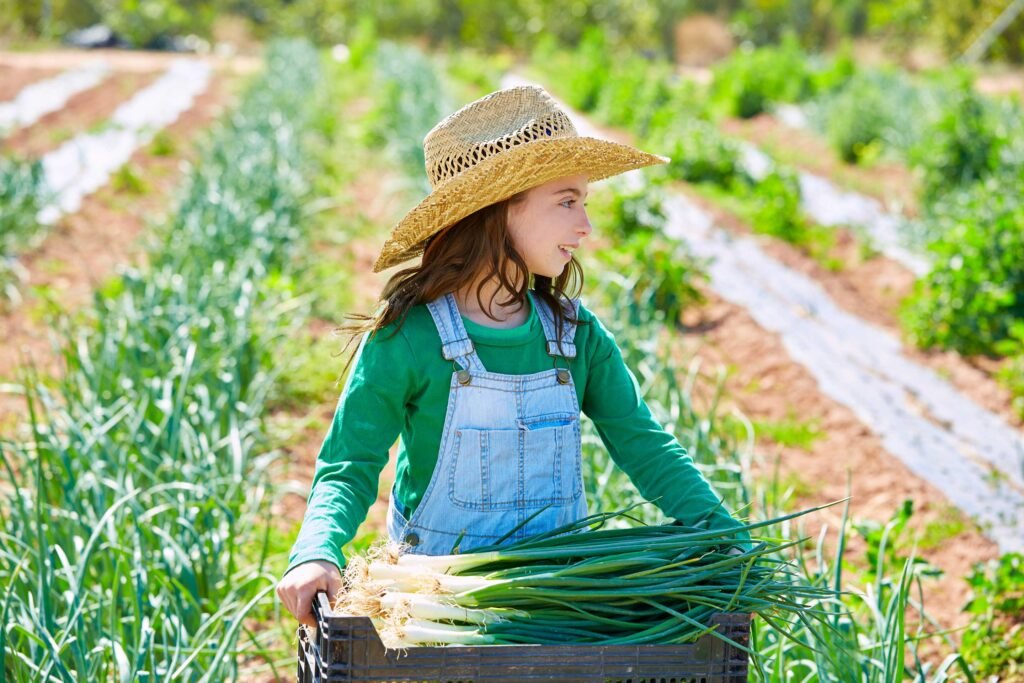
Students are also engaging in planting and harvesting produce for their cafeteria programs. Across the country, unique edible schoolyard gardens are emerging as creative solutions to limited space and challenges with summer garden care.
Innovative gardening initiatives are appearing on rooftops, in greenhouses, school garden beds, parks, and even window sill gardens, demonstrating that creativity can play a vital role in supporting the food revolution.
Stratford Northwestern Secondary School in Ontario, directed by culinary instructor Paul Finkelstein, boasts a recognized high school culinary arts program with over 200 students annually. This program has expanded to include a spacious kitchen classroom, a 3,000-square-foot organic garden, a greenhouse, a six-acre school farm, and outreach initiatives aimed at elementary students.
Their vibrant cafeteria, the Screaming Avocado Café, provides healthy and delicious gourmet lunches sourced from the Seeds of Change Garden and Mud to Mouth Farm. The program utilizes social media to communicate with students and the community regarding new culinary creations and food discoveries.
“We involve students in every aspect of our activities,” says Finkelstein. “They plant, weed, harvest, and transform the produce into fantastic recipes.”
Additionally, Alison Farbar from the Peel District School Board notes that West Credit Secondary School in Mississauga operates its cafeteria, growing its produce in a greenhouse to serve students, while also managing an outdoor garden in partnership with the community.
Schools on the West Coast embrace gardening
Gardening in cooler climates poses challenges, yet students in the Enviro Club at North Peace Secondary School in Fort St. John, BC, have met this challenge head-on. After collaborating with teachers, they successfully cultivated salad greens and herbs in a rooftop greenhouse to supply their school cafeteria’s salad bar and local elementary schools.
Meanwhile, Blue Mountain Elementary School in Maple Ridge, BC, maintains 36 garden beds, some of which are shared with nearby high school culinary programs, daycare facilities, and neighborhood residents. Each class takes responsibility for two garden beds as they embrace a philosophy they call “Seed to Plate,” where students plant, nurture, harvest, prepare, and savor their own garden produce.
Collaborative efforts with parents and a local women’s correctional facility aid in maintaining ongoing garden upkeep. High schools and community gardens serve as excellent solutions for elementary and junior high schools that lack culinary departments or extensive garden spaces.
South Delta Secondary, collaborating with the Earthwise Society community gardens, was involved in managing three garden plots on the Earthwise property, cultivating vegetables and herbs. As year-round maintenance became unmanageable, they shifted to smaller on-site plots dedicated to herbs like rosemary, parsley, and basil. Worobetz expresses excitement over the addition of three honeybee hives to the school premises, anticipating fresh honey for use in cafeteria meals.
Situated in the fertile Fraser River delta and benefiting from a mild climate, South Delta Secondary enjoys proximity to numerous farms and greenhouse producers. Worobetz and his colleagues have built fruitful relationships with local food growers, resulting in generous food donations that contribute to maintaining reasonable cafeteria prices of $2 to $4 for main menu selections.
The adage, “feed the body, feed the brain,” seems to be gaining traction in Canadian educational institutions. Whether it’s dubbed a food revolution or a renaissance, the shift toward healthier school meals is unmistakably changing the landscape of school food.
Healthy lunches—now conveniently delivered!
Across the nation, mothers are pioneering their own food revolutions by preparing and delivering healthy individual lunches to schools at affordable prices. These lunch delivery services provide a practical solution for busy parents who may lack the time to prepare balanced meals for their children every day. Below are two mom-founded companies leading this healthy initiative.
Good Bite Lunch Company
Operating in the Cowichan and Chemainus Valley regions of BC, Good Bite Lunch Company provides fresh, nutritious, and kid-friendly lunches daily. They commit to using organic and locally sourced ingredients whenever feasible, adhering to environmentally responsible practices, and giving back to participating schools. Parents also have the option to purchase a gift lunch, which is donated to children lacking access to healthy foods. Visit goodbitelunch.com
Credible Edibles
This lunch delivery service based in Ottawa concentrates on three fundamental principles: taste, nutrition, and environmental sustainability. Credible Edibles ensures every lunch includes at least three servings of fruits and vegetables, relying heavily on 12 nutrient-rich staples: beans, berries, broccoli, citrus fruits, flax, nuts, wild salmon, soy, spinach, tea, tomatoes, and whole grains. Visit credible-edibles.ca
Guidelines for developing a successful school food program
1. Form a school food and/or garden committee comprising parents, students, educators, and community partners.
2. Secure approval and engagement from the principal, school board, and/or food service providers.
3. Research and visit other schools to learn from their initiatives.
4. Utilize online resources such as healthyeatingatschool.ca, ecosource.ca, evergreen.ca, and screamingavocado.webs.com.
5. Review the document “10 ways your SAC [Students’ Activity Council] can prepare students for healthy changes” available at peelschools.org/student/foodandbevSAC.htm.
6. Develop a shared vision and policies for your food and/or garden program.
7. Create a strategy for ongoing maintenance.
8. Host engaging celebrations to acknowledge accomplishments.
9. Continually assess and adapt the program, recognizing that flexibility is essential as each school’s situation is unique.