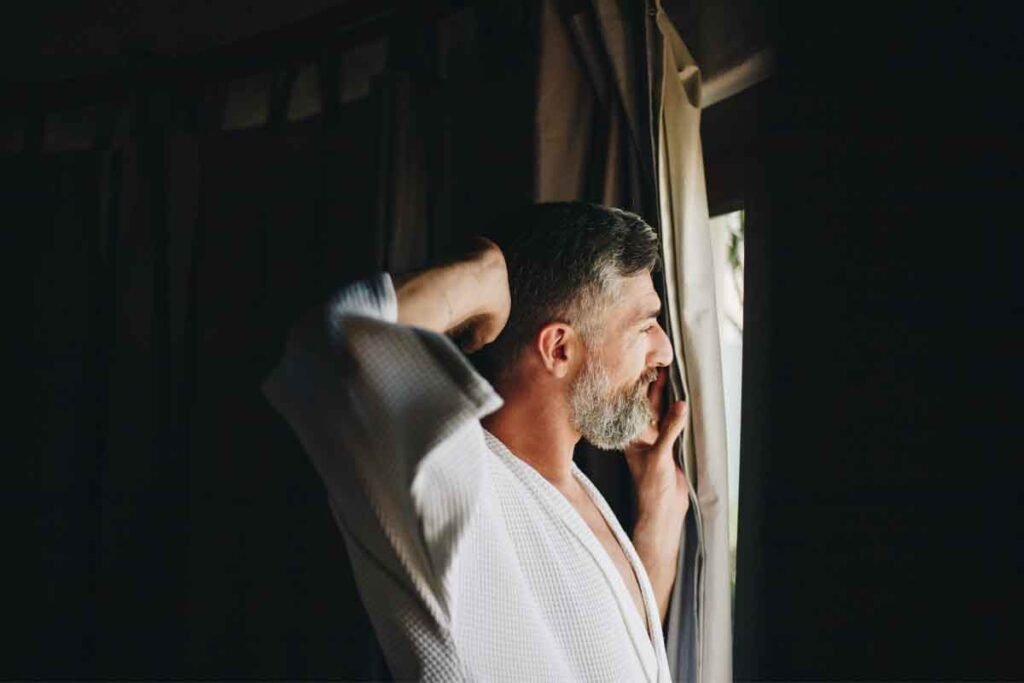


Imagine this scenario: it’s 7 PM on a Friday evening, and after a tiring week at work, you’re all set to indulge in a delightful dessert before settling in for the night. Perhaps you have an intriguing book waiting for you or a beloved TV series to catch up on. Suddenly, *ding*—your phone receives a notification for an impromptu gathering with friends.
You find yourself in a dilemma—on one hand, you’re exhausted and would rather stay in your cozy pajamas, but on the other hand, the thought of missing out on a good time weighs on you. The answer is surprisingly easy: let go of your fear of missing out (FOMO) and relish the relief that comes from prioritizing yourself.
What is JOMO?

In stark contrast to FOMO, the concept of JOMO is gaining traction online. The “joy of missing out” signifies an appreciation for declining invitations to activities you’re not interested in, thereby allowing you to focus on what truly makes you happy. Take, for instance, my preference for turning down late-night outings in favor of a comforting reading session at home.
By embracing JOMO, you free yourself from the obligation to say yes to every social event. This approach is especially beneficial when feeling overwhelmed by multiple social engagements, offering a way to thoughtfully allocate your time. With our busy lives, it’s important to allow yourself the luxury of enjoying your free moments as you wish.
Tips for Transforming FOMO into JOMO

Here are ways to reframe the feeling of missing out into something positive rather than a source of stress.
Practice saying no. Opting for a “maybe” often equates to a future “no.” The more you establish boundaries, the easier it becomes, ultimately building your self-assurance through prioritizing your wellbeing.
Avoid overcommitting. When you get an invitation, assess your availability right away. This way, you won’t feel overwhelmed later when you have to decline multiple last-minute events. Your future self will appreciate this foresight.
Take a break from social media. Mitigate feelings of anxiety or regret by disconnecting from social media for a while—especially during events you’re missing. Be cautious of falling into the trap of doomscrolling, as relentless browsing can negatively impact your mental health. Studies indicate that reducing social media use can significantly lower anxiety levels.
Be courteous by responding to invitations (no ghosting allowed!) and expressing gratitude to the person who reached out. If FOMO persists, consider arranging a future gathering at a more suitable time for you.
The Advantages of JOMO

Embracing JOMO cultivates a better connection with yourself and with those around you. Friends can perceive when your heart isn’t in an event, which can lead to blame towards the individual who extended the invitation.
Moreover, indulging in quiet moments alone is linked to enhanced creativity and a reduction in stress levels.
And, if you wake up early like I do, by choosing to stay in, you’re more likely to get to bed earlier and enjoy a more restful night compared to going out.
Can You Have Too Much JOMO?

If you’re experiencing persistent feelings of sadness or anxiety, JOMO might not be the best fit for you. While solitude can be restorative, it’s equally vital to challenge yourself to engage socially and connect with friends and family when you’re feeling down. For those battling depression, isolating oneself may aggravate the situation; consider reaching out to a trusted friend or mental health professional for assistance.