


01
Calcium
It’s common for children to have specific food preferences, often leading to epic battles at the dinner table over certain vegetables. However, these moments of refusal can lead to nutritional gaps.
This article identifies essential nutrients for kids and highlights specific supplements that can support meeting their nutritional needs.
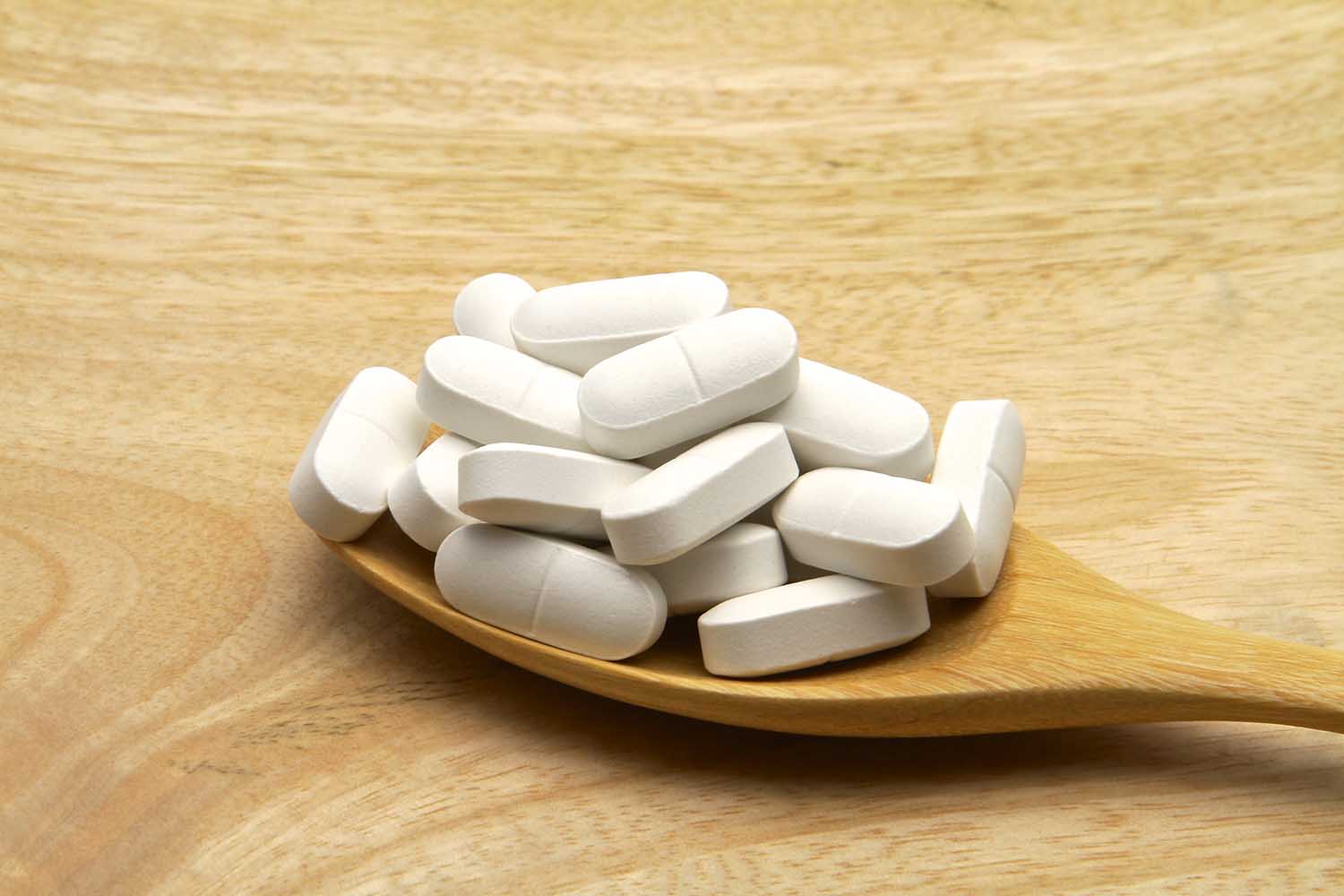
Calcium is vital not only for developing strong bones during childhood and adolescence but also plays a crucial role in muscle contractions, nerve signaling, and hormone secretion. As bone calcium levels decrease in early adulthood, it’s essential to establish strong bones during formative years.
Smart supplementation
Ensuring adequate calcium intake is especially important for kids who do not consume dairy—such as vegans. If supplementation is necessary, check the “elemental” calcium content in tablets, as calcium is absorbed best in smaller doses taken with meals.
02
Vitamin D

Vitamin D is crucial for the formation of bones and teeth as it enhances calcium absorption. Additionally, it supports immune function, mental health, and longevity, making it an essential nutrient.
Smart supplementation
Vitamin D is not prevalent in many foods, especially those that children may refuse to eat if they follow a plant-based diet. If outdoor sun exposure isn’t sufficient, consider supplementation through drops, gummies, or chewable tablets.
03
Potassium

Potassium is vital for regulating total body fluid levels, maintaining electrolyte balance, and ensuring normal cellular function. Due to its relationship with sodium, inadequate potassium intake has been linked to hypertension and various cardiovascular conditions. The World Health Organization recently published recommendations to balance potassium intake for both children and adults.
Smart supplementation
If your child isn’t consuming sufficient fresh fruits and vegetables—natural sources of potassium—you might need to look into supplements. Various formats are available, such as effervescent tablets, capsules, powders, and liquids.
04
Probiotics

A healthy variety of gut bacteria is crucial for developing children, as it teaches their immune system to recognize harmful pathogens. Probiotics, known as “good” bacteria, enhance the gut’s immune cell activity. They may also alleviate allergies and reduce instances of atopic eczema.
Smart supplementation
Probiotic supplements are deemed safe for children and are well tolerated. Both probiotics and vitamin D can help regulate immune responses, and consistent intake may diminish the occurrence of upper respiratory infections.
05
Multis

While whole, natural foods are the best source of essential nutrients, kids are often picky eaters. Multivitamins—which generally comprise a blend of necessary vitamins and minerals—can be helpful when nutritional gaps are identified.
Smart supplementation
Kid-friendly forms like gummies, chewables, and powdered mixes are available, making it easy for even the fussiest eaters. Always read the ingredient label to avoid artificial flavors, colors, or sweeteners when purchasing.
06
Immune Boosters Aren’t Just for Kids!

Supplements can serve purposes beyond filling nutritional gaps. The following foods can enhance your family’s immunity during cold and flu season, whether by fighting off invading viruses or facilitating quicker recovery.
07
Anti-Inflammatory Elderberry

Elderberry is known for its anti-inflammatory and antiviral properties, potentially easing congestion by reducing swelling in mucous membranes. Additionally, it may shorten the duration of colds and has shown effectiveness against influenza A and B in laboratory studies.
08
Cold-Killing Echinacea

Beginning echinacea treatment as soon as cold symptoms appear is key for an effective outcome. The Echinacea purpurea root may help diminish the severity of symptoms and hasten recovery from cold-related misery.
09
Recovering with Zinc

Taking zinc shortly after cold symptoms arise can help expedite recovery and reduce symptom intensity.
10
Yes, Vegan Kids Can Meet Nutritional Needs

A 2019 study published in Nutrients concluded that a well-planned entirely plant-based diet can support nutritional requirements during pregnancy, lactation, infancy, and childhood.
Alongside the previously mentioned nutrients, it’s vital to focus on protein, fiber, omega-3 fatty acids, iron, zinc, iodine, and vitamin B12. Dietary modifications may sometimes suffice, but supplements might be required as well. Consult with a healthcare professional to ensure optimal nutrient intake for your children.