

According to a recent study, Generation Z is prioritizing health and wellness like never before. This is encouraging, as the lifestyle decisions made before the age of 26 can significantly impact long-term health. So, what factors are fueling this interest in natural health among younger individuals, and how can we guide them towards a positive relationship with wellness?
Gen Z’s Health-Centric Approach
“The increasing interest among Gen Z is complex,” notes pediatric dietitian Lauren Mahesri, RDN, LD. “This generation has access to an unprecedented amount of information about natural health, effectively reaching them in new and meaningful ways.”
Dietitian Trista Best, MPH, RD, LD, points out that social media significantly contributes to this trend, especially platforms like TikTok, which boasts a user base primarily comprising individuals aged 13 to 24. The platform saw its user numbers soar to 1.5 billion in 2023.
Similarly, psychologists observe that health and wellness content ranks among the most shared on Instagram, a platform used by roughly half of all Canadians, where the largest demographic is those under 34.
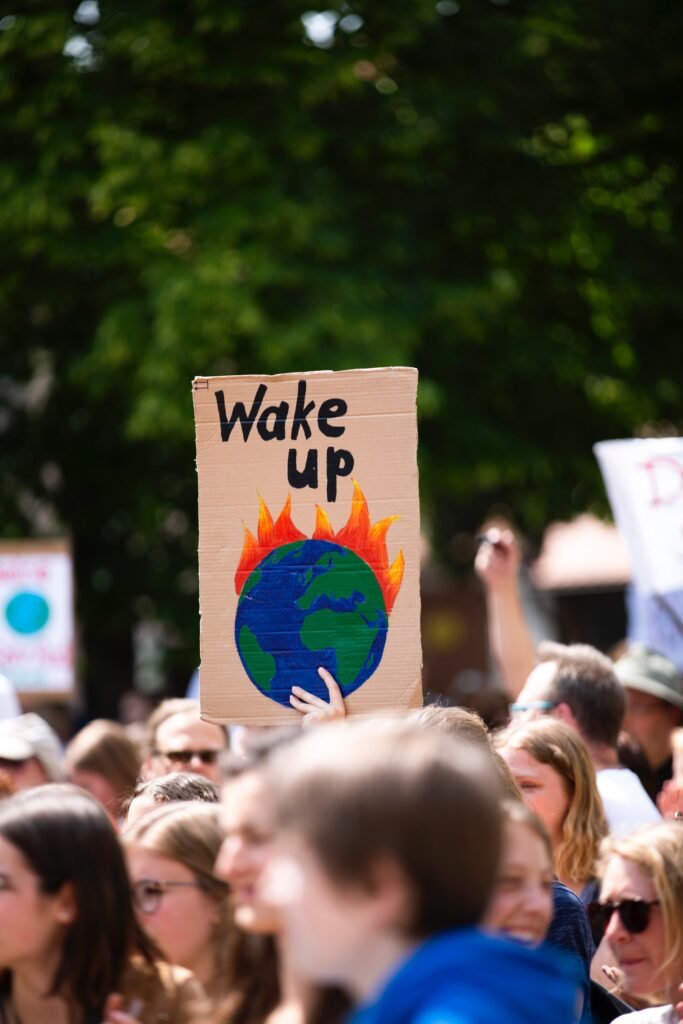
However, as Mahesri suggests, this trend is multifaceted. Peer influence, social pressure, and body image concerns all play a role, as noted by Best. Additionally, Mahesri highlights how social justice and environmental issues are important; for many Gen Zers, engaging in natural health feels like contributing to a larger cause of caring for the planet.
Natural Health Perspectives for Young Generations
“For the younger generation, the focus extends to dietary choices, herbal treatments, mindfulness practices, and holistic living,” explains Dr. Monika Wassermann.
She mentions that Gen Zers emphasize prevention and self-care over merely addressing symptoms—partly due to disillusionment with conventional medicine’s reliance on drugs and invasive practices, coupled with their emphasis on sustainability and eco-friendly options.
This sentiment is echoed by a global survey on Gen Z’s priorities for 2024 conducted by Meta: “maintaining health,” including nutrition and exercise, topped the list.
Areas of specific interest in natural health among this demographic include:
- improving sleep quality, with rising interest in sleep supplements and tracking applications
- welfare tools, services, and treatments aimed at enhancing mindfulness
- customized wellness solutions, like tailored nutrition plans that match individual health metrics
- strategies for managing stress and improving mental well-being, including therapy
- holistic recovery practices like acupuncture and massage therapy
Across these categories, the enthusiasm of teens and young adults significantly surpasses that of older age groups, with no signs of this interest waning.
Support Gen Z’s Growing Wellness Engagement
The role of social media in directing Gen Z’s health interests is complex, as it serves both to inspire investment in wellness and to proliferate misinformation, particularly regarding nutrition.
“Parents play a critical role in guiding their children toward education and evidence-based practices,” urges Mahesri. “There’s genuine desire among kids to explore and practice natural health, yet it’s crucial for parents to advocate for informed learning in an age of misinformation.”
Moreover, parents must embody the values of natural health themselves, as the upcoming generation is closely observing how we practice— or neglect—our wellness beliefs.
“Fostering open dialogue and modeling healthy habits are essential,” states Dr. Johannes Uys. “Parents should support their children’s natural health journeys by nurturing a good relationship with food and promoting regular exercise.”
For instance, consider inviting your Gen Z child into the grocery shopping experience or sharing your mindfulness practices during stressful moments.
While the term “Greatest Generation” typically refers to those born in the early 1900s, Gen Zers might be redefining that narrative through their commitment to health and wellness, and our encouragement can help turn that aspiration into reality.
This article initially appeared in the August 2024 issue of up7op magazine.