

Supports Immune Function
Elderberries, derived from the Sambucus tree, are small, dark, and tangy fruits that have been celebrated for their health-enhancing properties, particularly regarding the immune system. Curious to know how these berries can aid your health? Discover the seven science-supported advantages of elderberries below.
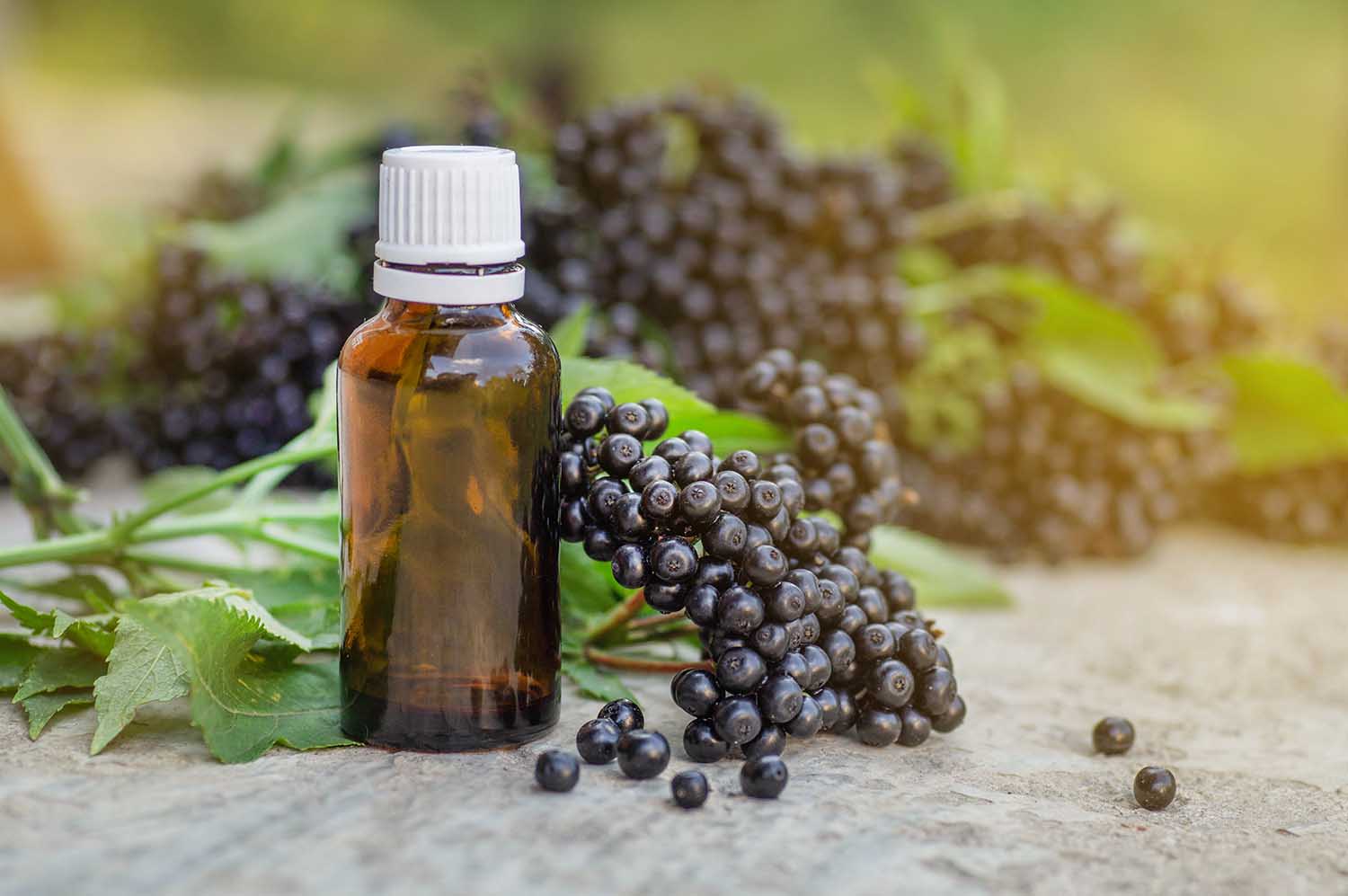
The vitamin content of elderberries, combined with their antioxidant capabilities, can bolster your immune defenses. The presence of vitamin C plays a crucial role in rallying infection-fighting white blood cells, while compounds like quercetin and anthocyanins contribute to immune health through their anti-inflammatory and antiviral effects. For more immune-boosting foods like elderberries, explore these superfoods for immunity.
Alleviates Cold and Flu Symptoms
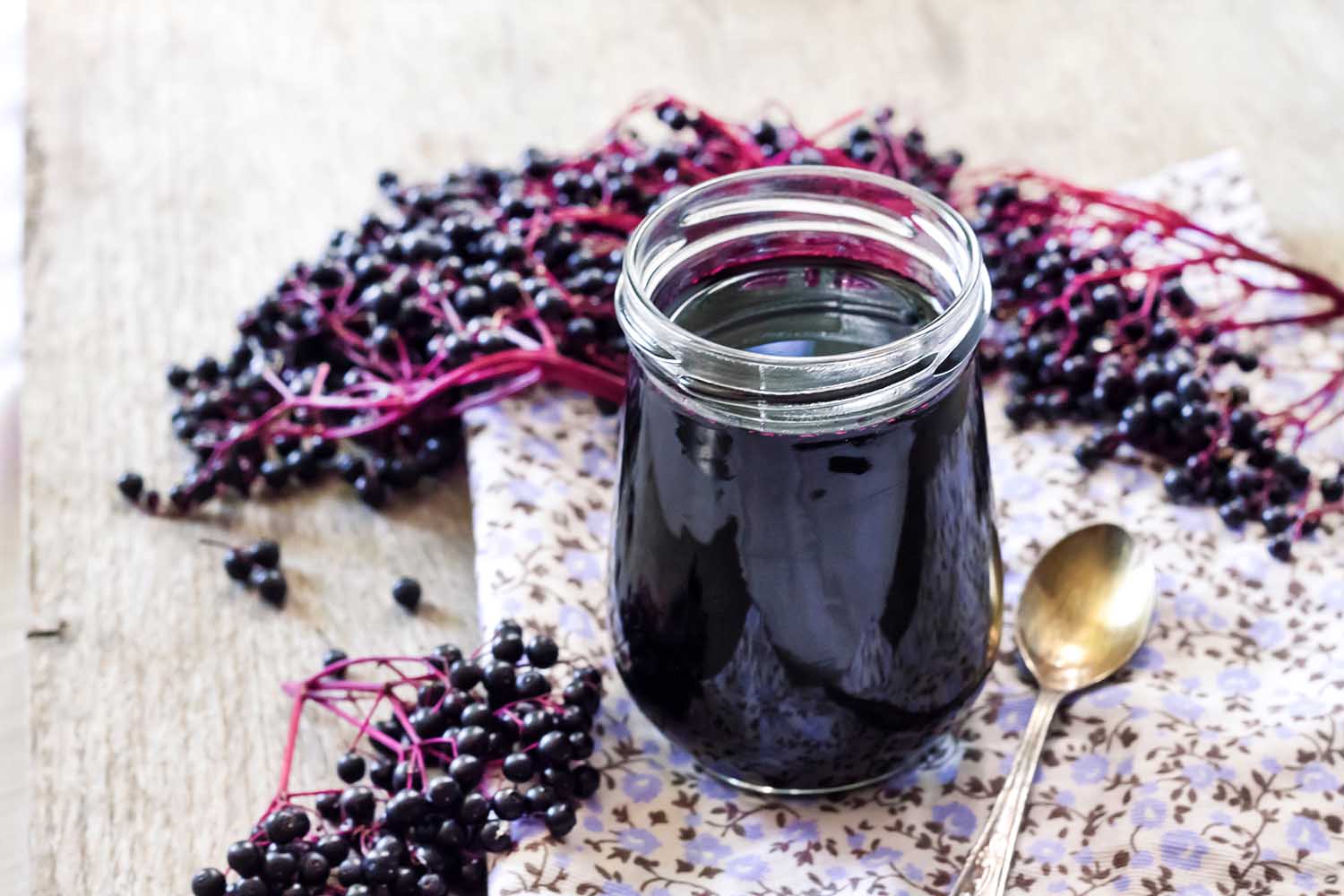
Although the common cold and flu lack a definitive cure, elderberries have been found to lessen the intensity and duration of these ailments. Studies suggest that elderberries exhibit antiviral properties, effectively combating the influenza virus, especially in its initial stages as well as during recovery. Utilizing elderberry lozenges within the first day of exhibiting symptoms has been shown to diminish flu effects.
Mitigates Inflammation
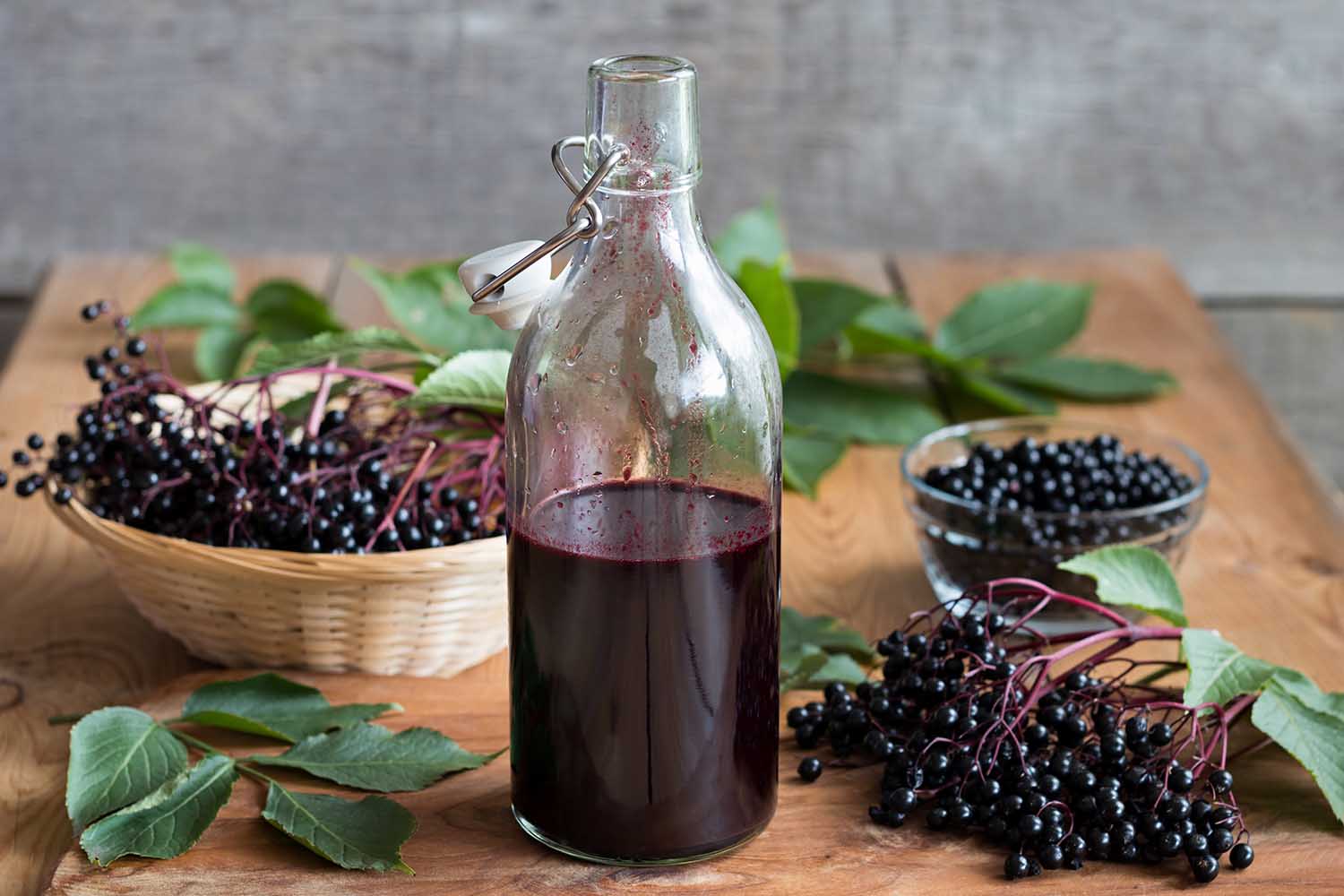
Investigations reveal that elderberries present anti-inflammatory advantages and assist in reducing swelling. This is largely attributed to their flavonoid composition. Ongoing inflammation has been associated with numerous health conditions, such as cancer, Alzheimer’s, diabetes, and heart ailments. Studies indicate that the anthocyanins in elderberries may also offer benefits to Alzheimer’s patients in the early stages of this condition.
Functions as a Diuretic
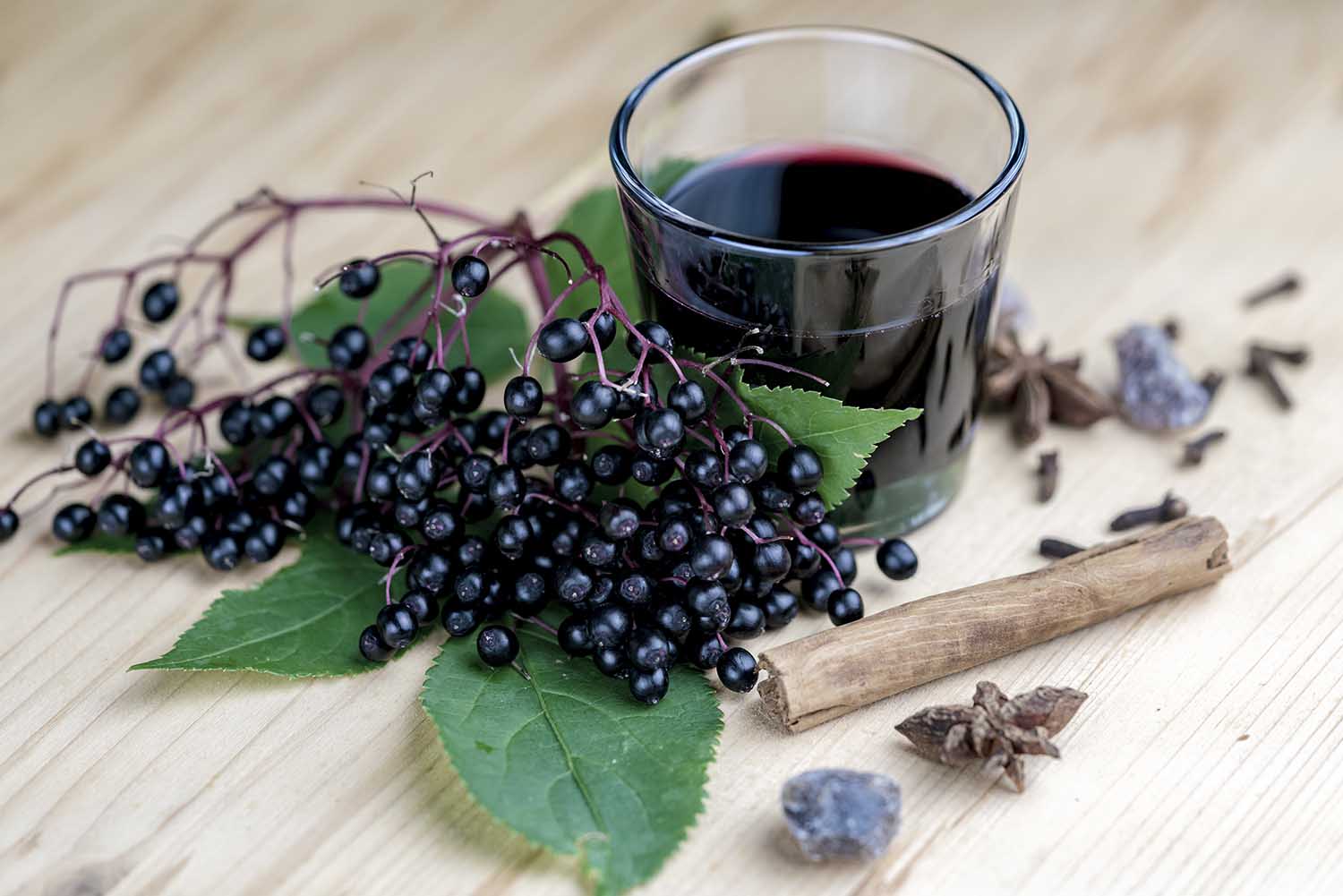
For those seeking relief from bloating, elderberry tea may offer a natural solution. Research indicates that elderberry exhibits diuretic properties, promoting the elimination of excess salt and water via increased urinary output. Consider trying these comforting herbal teas that incorporate natural diuretics, including elderberry.
Aids in Alleviating Constipation
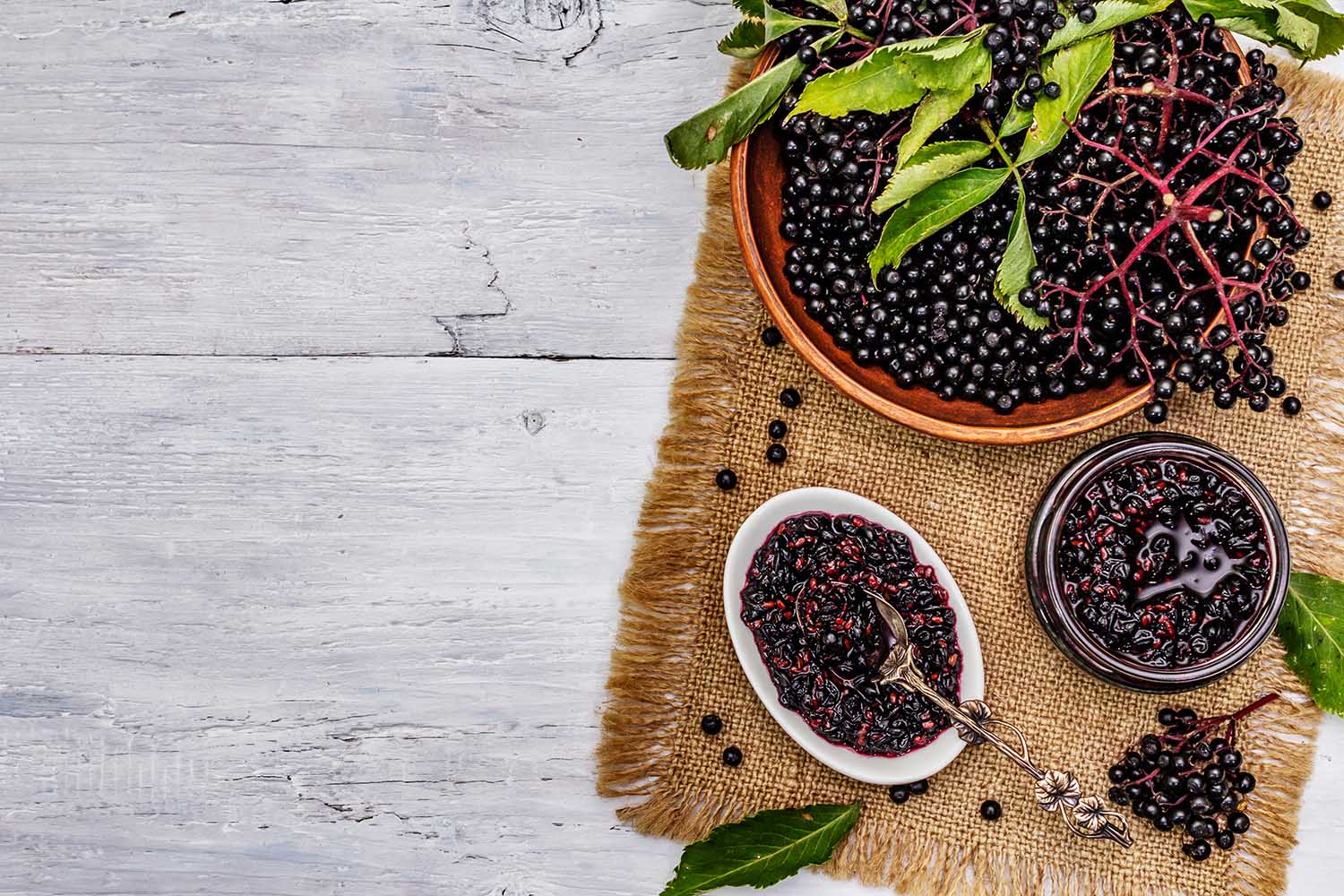
Historically, elderberry has been a go-to natural remedy for confronting constipation, with scientific studies supporting its effectiveness. Quercetin, found in elderberries, serves as both a robust antioxidant and an anthraquinone, providing a laxative effect. Not only does quercetin contribute to the berries’ vibrant colors, but it has also been shown to enhance gastrointestinal movements, aiding those with chronic constipation.
Promotes Cardiovascular Health
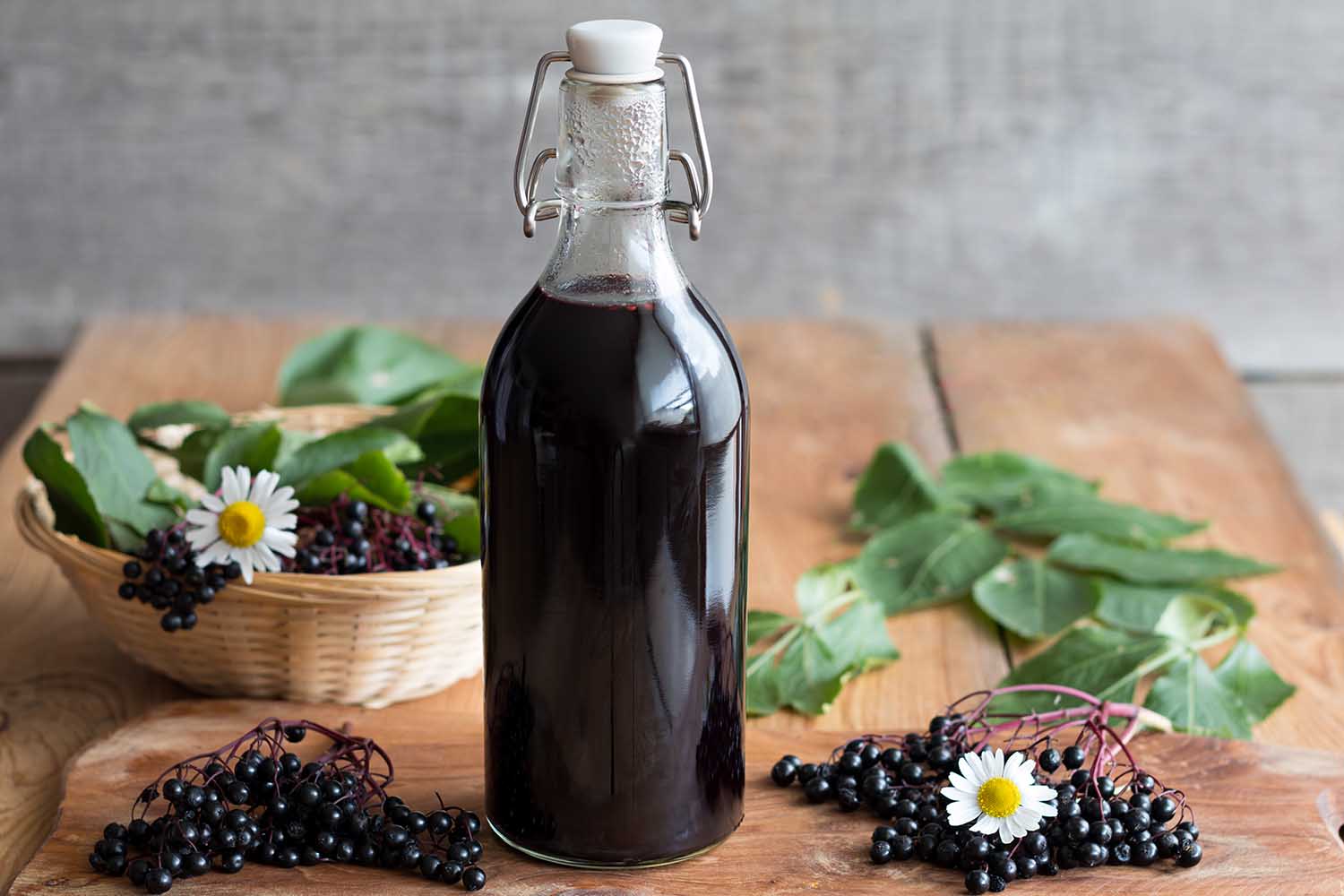
Elderberries may play a role in reducing the risk of heart-related illnesses. Research indicates that the antioxidants within these berries are associated with lower cardiovascular disease susceptibility, and additional studies suggest that elderberries can have favorable effects on blood pressure regulation.
Lessens Stress Responses
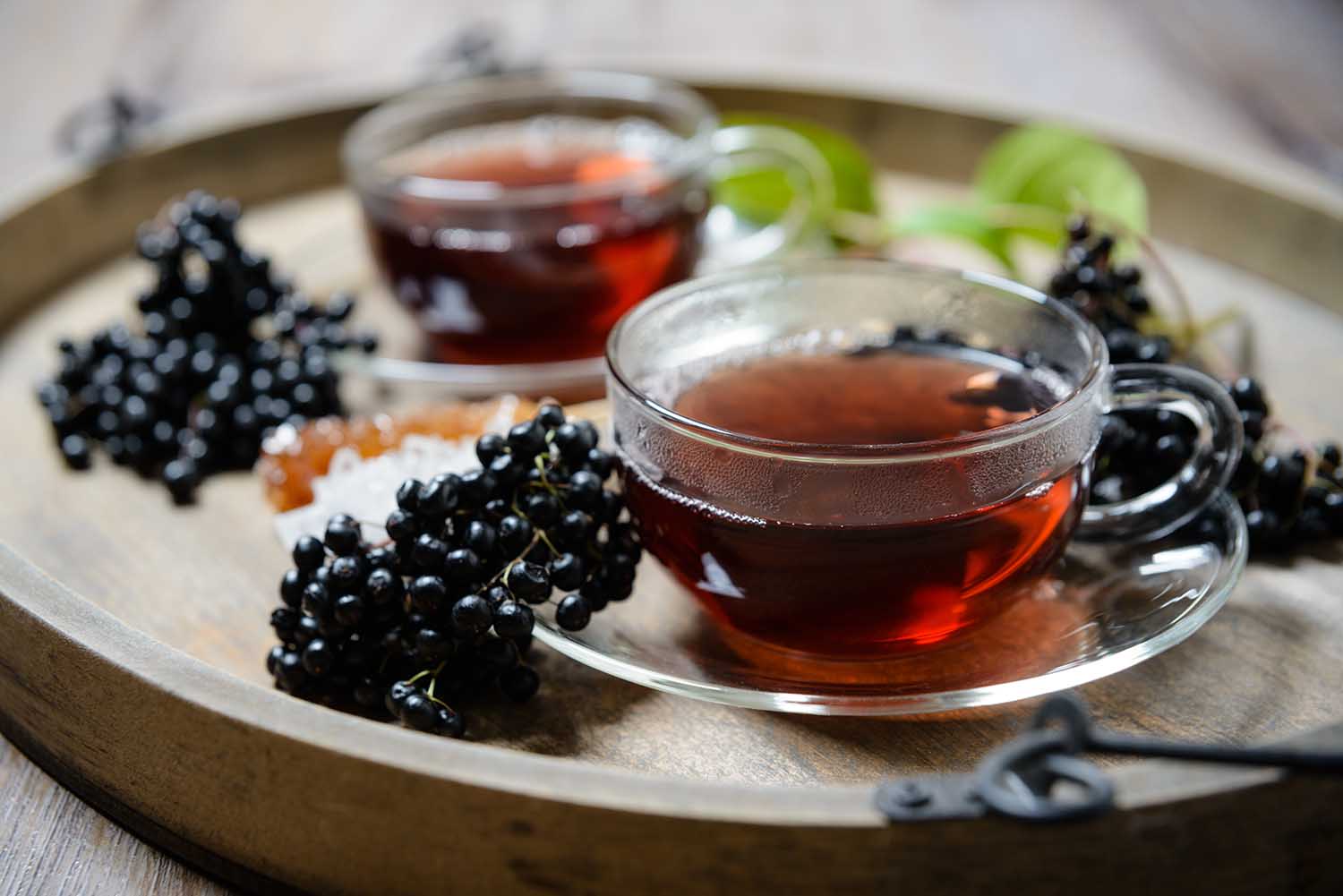
If stress is getting you down, elderberries might provide some respite. Studies indicate that these berries can help diminish stress responses. Emotional stress often leads to oxidative stress within the body, and the quercetin found in elderberries is notably effective at reducing this oxidative load. For a soothing experience, consider taking a moment to enjoy a calming cup of elderberry tea while reaping its myriad health benefits.
Rich in Nutrients
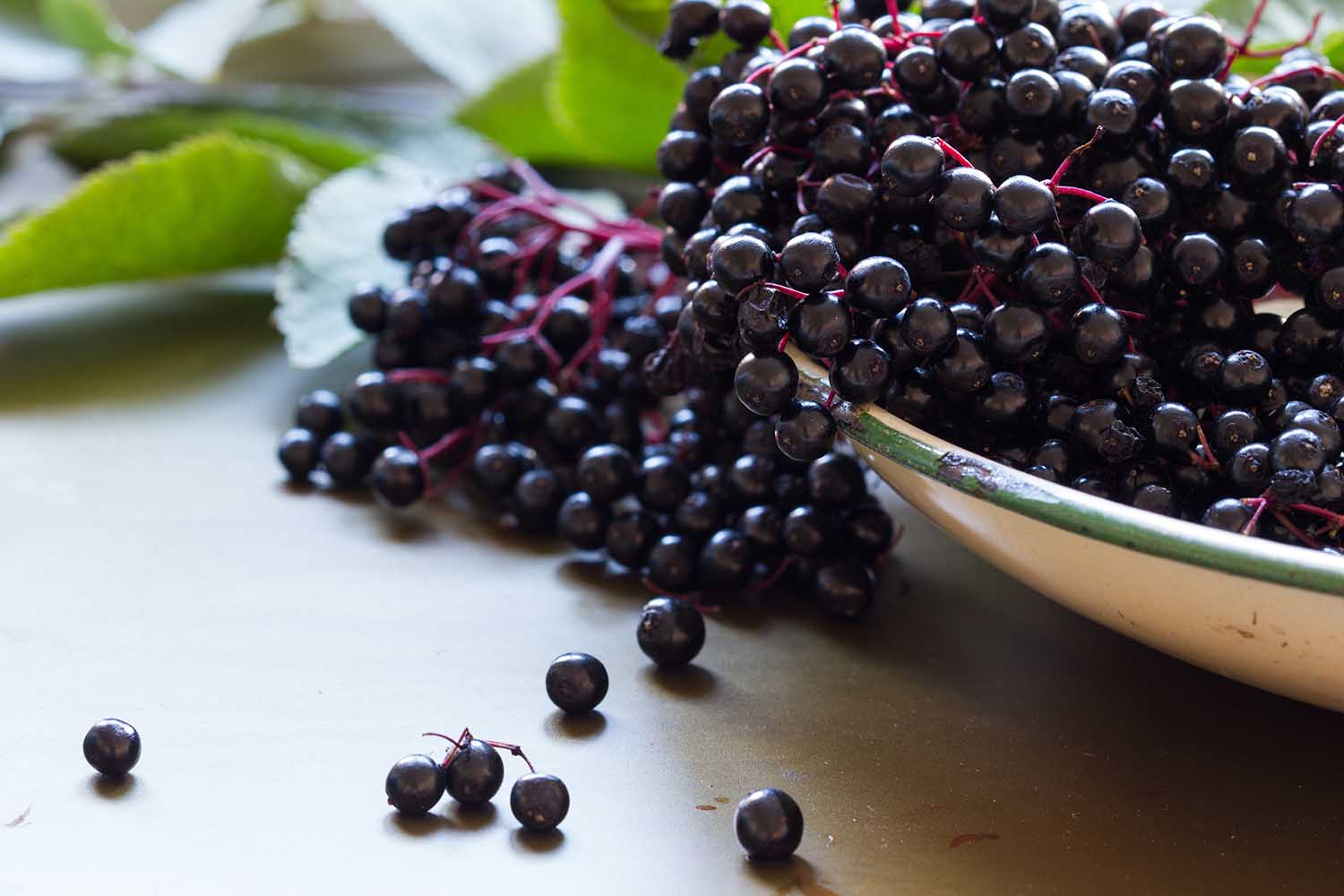
Despite their diminutive size, elderberries deliver an impressive nutritional profile. They are rich in vitamin C and also provide B vitamins, vitamin A, vitamin E, along with essential minerals like potassium, zinc, iron, calcium, and magnesium. A 100-gram serving of elderberries contains approximately 2.4 grams of fiber. Their polyphenols, including flavanols, phenolic acids, proanthocyanidins, and anthocyanins, endow the berries with antioxidant qualities that combat oxidative stress in the body.
Versatile in Culinary Uses
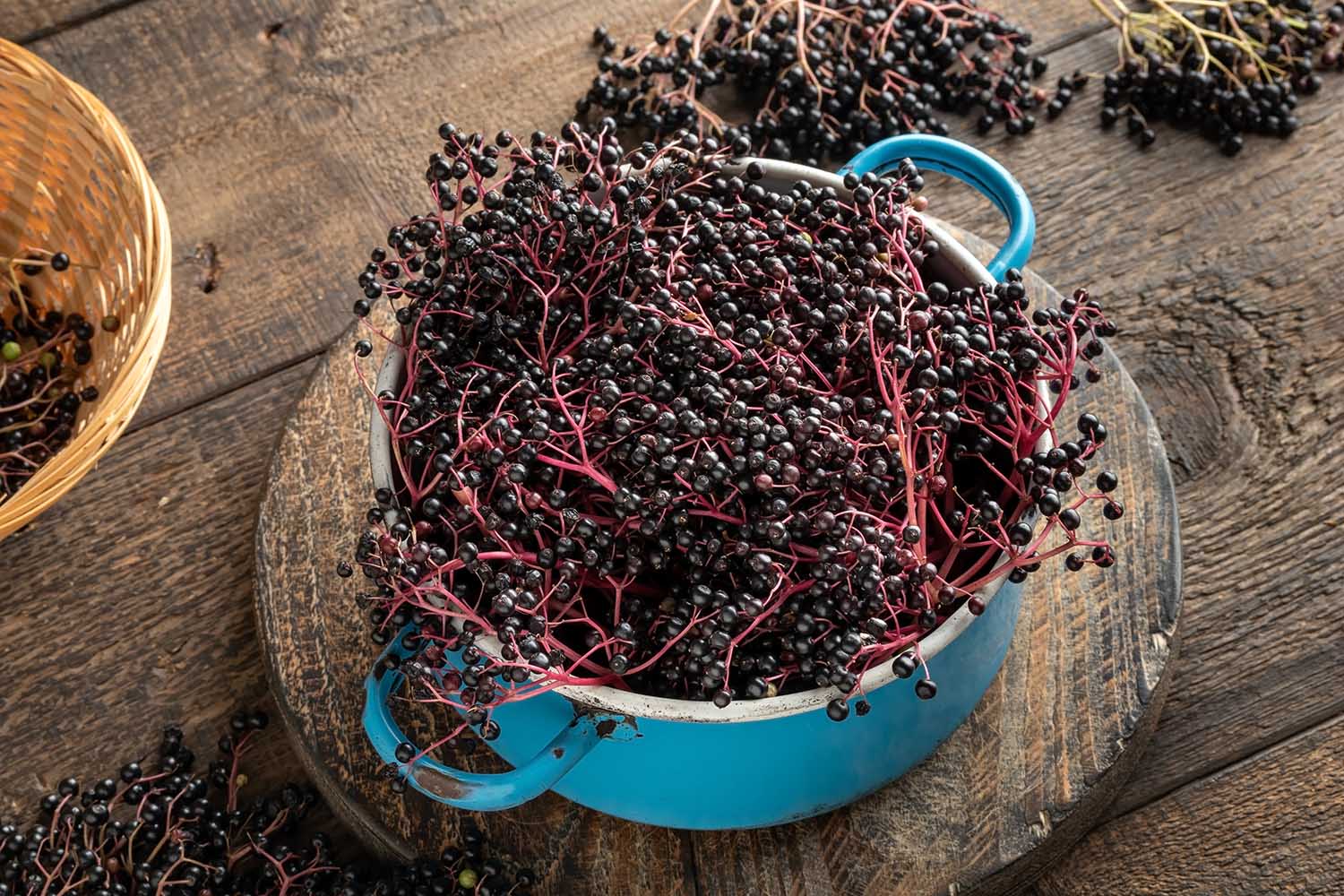
Elderberry has been utilized in a variety of culinary forms, including wines, cordials, baked goods, jams, and jellies. Nowadays, you can find elderberries incorporated in teas, gummies, lozenges, syrups, and capsules. With so many enjoyable ways to integrate elderberries into your diet, reaping the health benefits of this berry is both effortless and delicious. However, raw elderberries contain toxic properties that can cause nausea, vomiting, and diarrhea; therefore, it’s important to ensure they are cooked before consumption. Commercial elderberry products, such as syrups or lozenges, are safe as they do not contain these harmful substances.
A Beloved Historical Ingredient
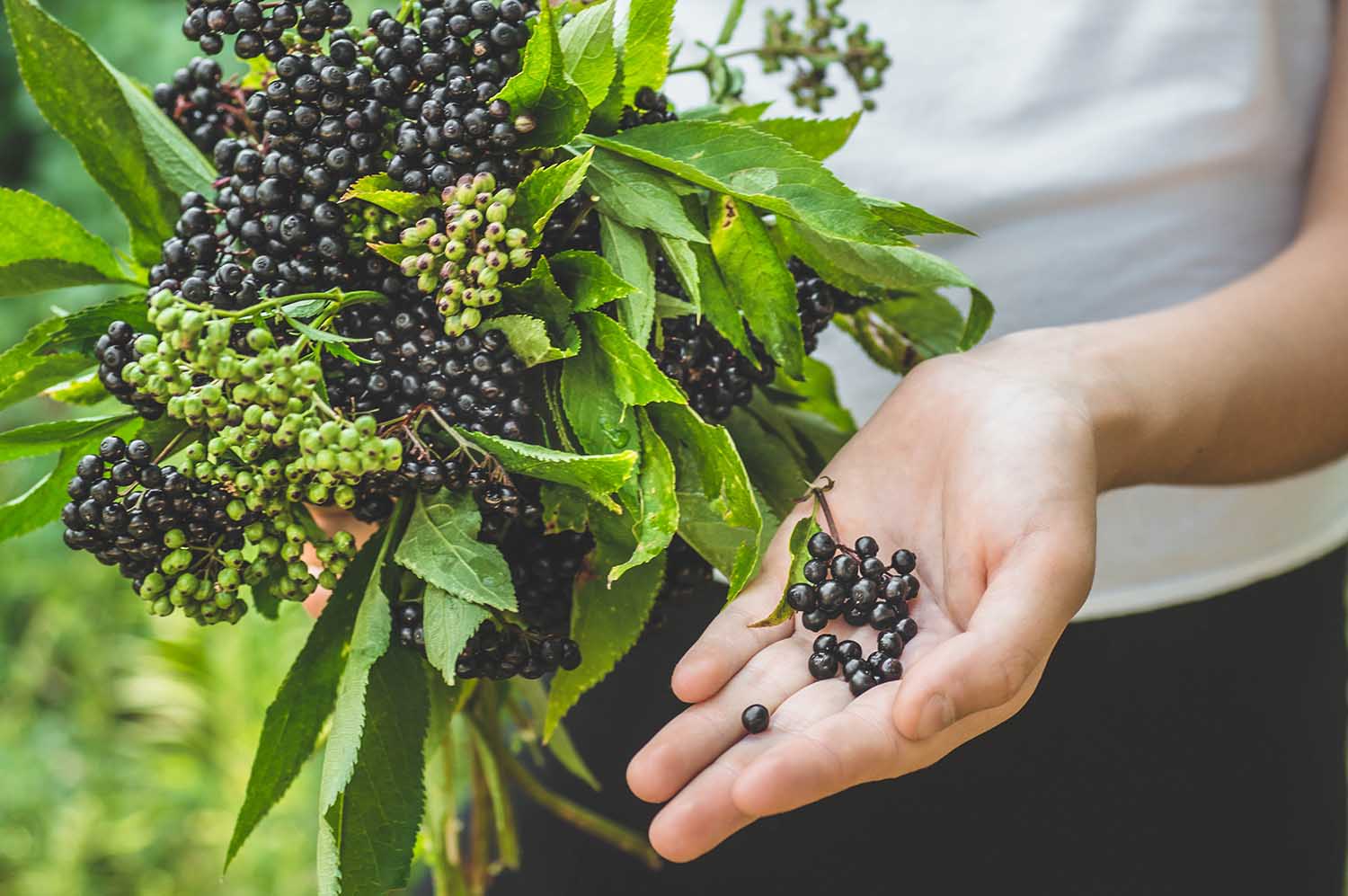
Elderberries have a rich historical significance, having been used for medicinal and culinary purposes across various cultures for millennia. Archaeological evidence suggests that elderberries have been utilized since the Stone Age and Bronze Age. In ancient Egypt, the elderberry plant served to enhance complexion and aid in the treatment of burns. The healing properties of elderberry were also recognized in ancient Greece and Rome, with Hippocrates endorsing the use of these berries for numerous health issues as early as 400 BC.