
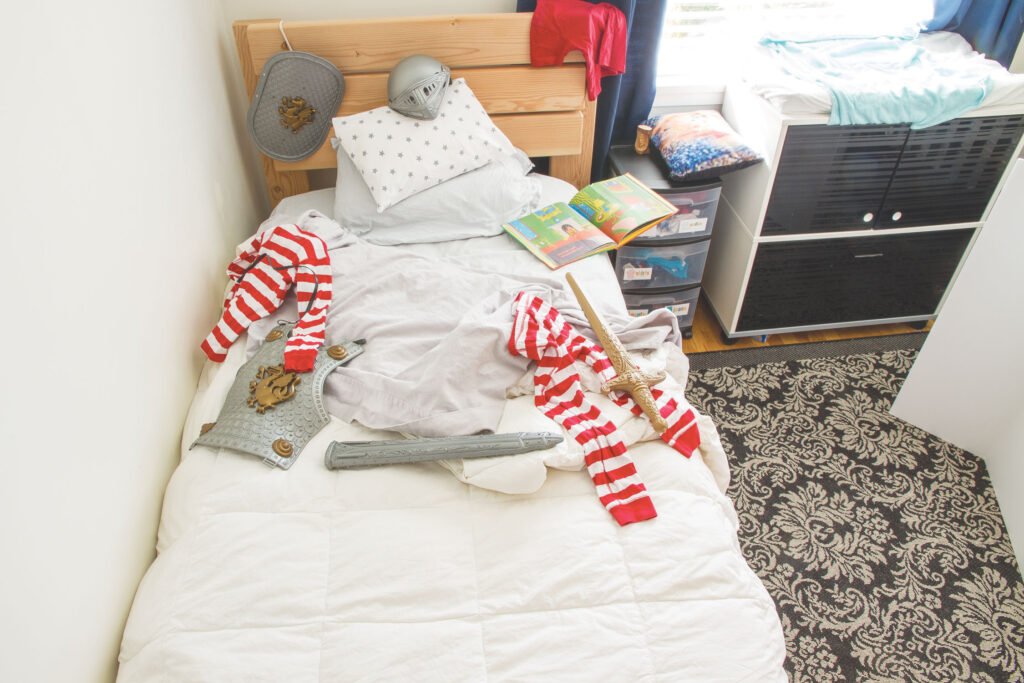

Parents often face the same challenges at bedtime: sobs, outbursts, and the endless playing with toys long after lights are off. This daily struggle can disrupt not only your peace but also your child’s sleep, leading to significant health repercussions. In fact, even a mere hour less of sleep each night can hinder your child’s focus and cognitive function.
Moreover, insufficient sleep among children has been associated with conditions such as diabetes, obesity, and hypertension. It may also contribute to emotional and behavioral issues similar to the symptoms seen in children diagnosed with ADHD. The lack of adequate rest can further inhibit a child’s ability to learn and perform well academically.
By the time you finally usher your children into bed, you may find yourself too spent from negotiations to fall asleep yourself. So, what steps can you take to ensure both you and your children get the sleep you need?
1. Implement bedtime routines for the whole family.
As a naturopathic doctor, Dr. Meghan van Drimmelen frequently hears from concerned parents about their children’s sleeping difficulties. Her foremost advice is simple yet effective: “I first ask about their nighttime practices,” explains van Drimmelen. “What does the bedtime process look like for them?”
While each family’s routine differs, van Drimmelen recommends providing a light, healthy snack, a warm bath, and reading a soothing story as part of the process. She also emphasizes the importance of eliminating screen time for at least an hour before going to bed. After settling the kids down, take some time for yourself—whether it’s enjoying a book, a bath, or unwinding away from digital devices.
2. Follow a sleep-conducive diet.
Your family’s food choices during the day can significantly influence nighttime rest. “Maintaining a diet rich in good proteins and healthy fats helps regulate blood sugar, which, in turn, stabilizes cortisol—the stress hormone,” notes van Drimmelen. “High cortisol levels during the night can disrupt sleep.”
To support stable blood sugar and cortisol levels at night, she advises a diet abundant in fresh fruits, green leafy vegetables, and lean proteins such as beans and legumes. Incorporating healthy fats from nuts, seeds, olive oil, and avocados is also crucial for a restful night, while limiting sugary snacks, particularly before bedtime, is essential.
 3. Address back-to-school anxiety.
Cortisol levels can be influenced not only by diet but also by external stressors. If you find it hard to fall asleep, it could be indicative of elevated cortisol levels, and the same can apply to your children, especially with the transition from summer to fall. September often brings about new routines and earlier bedtimes due to school and work; the resulting stress can hinder a child’s ability to drift off, says van Drimmelen.
She encourages parents to maintain open discussions with their children regarding any worries or concerns. Moreover, ensuring that kids engage in regular physical activity helps manage stress effectively. “Exercise, particularly during the morning or afternoon and avoiding late-night workouts, is vital for balancing hormones and promoting relaxation at bedtime,” she advises.
4. Consider herbal solutions.
If you’ve tried diet changes and a solid bedtime routine without success—and confirmed with a healthcare professional that no underlying health issues are present—herbal remedies and supplements may offer additional support. You could start by exploring relaxing teas made from chamomile, lavender, lemon balm, or passionflower.
5. Embrace magnesium.
For persistent sleep difficulties, magnesium supplements may be beneficial. They are known for promoting relaxation in the nervous system and are generally safe for children, as noted by van Drimmelen. Additionally, magnesium is found in Epsom salts, which can be added to a warm bath at bedtime. With these measures, restful sleep may soon be within reach.
While natural solutions may not remedy every bedtime issue, they can certainly alleviate many challenges—even if your children seem to respond to storytime as though you were reading The Art of War instead of the beloved classic, Goodnight Moon.
PHOTOS BY Denny Dias