

01
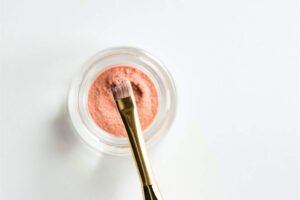
Exfoliate all over, including your scalp.
The lessons of 2020 highlighted the importance of adaptability in our routines, including skincare. Many of us fall into a repetitive cycle and miss out on the potential for a more vibrant complexion by sticking to the same products.
As an esthetician, I frequently observe this pattern. That’s why I’ve put together a comprehensive guide to help your skin refresh and rejuvenate after the chaos of 2020. This isn’t about fleeting fads; these are proven rituals and components that can energize your skincare regimen as you welcome the new year.
With age, our skin’s natural turnover slows, which can leave a layer of dead, dry cells on the surface. While these cells will eventually shed on their own, you can expedite the process through exfoliation.
This vital step removes old skin cells from the face, body, and scalp, encouraging healthy hair growth and a radiant complexion. Accumulation of dead skin can lead to acne, impede hair growth, and cause irritation.
For optimal skin health, make exfoliation a weekly practice. Oily skin types may benefit from exfoliating once or twice a week, while those with dry or highly sensitive skin should aim for about once a week. Look for body scrubs containing natural ingredients like Dead Sea salts or coffee grounds, and opt for finer components such as ground oatmeal in facial exfoliators.
Don’t overlook your scalp; exfoliation in this area is commonly neglected. While washing and conditioning hair is routine, maintaining scalp health often takes a back seat. Regular exfoliation can effectively reduce dandruff and remove dead skin, potentially promoting hair growth. Use a scalp brush or physical and chemical scrubs for this purpose, with popular ingredients including sugar, sea salt, and charcoal.
Integrating natural exfoliating products into your skincare lineup, along with exfoliating gloves and a dry brush, can elevate your skincare experience and result in a luminous appearance.
02
Enhance hydration with hyaluronic acid.
Hyaluronic acid remained a hot topic in the previous year, and it continues to gain attention in 2021. This naturally occurring sugar within the body is often referred to as nature’s hydration champion, capable of retaining over a thousand times its weight in water. When incorporated into supplements or skincare products, hyaluronic acid offers a wealth of benefits.
Studies conducted by dermatologists indicate that individuals suffering from dry skin experienced significant improvements after two to six weeks of hyaluronic acid intake.
As a natural humectant in serums, creams, and moisturizers, hyaluronic acid pulls moisture into dry skin, keeping it hydrated for extended periods.
This is especially critical during the colder months, making it essential to include hyaluronic acid-rich products in your regimen for more plump, moisturized skin—particularly if you have dry skin.
03
Embrace the wisdom of K-beauty.
K-beauty refers to Korean skincare routines, techniques, and products that have cultivated a reputation for promoting luminous, dewy skin. For generations, Korean women have committed to detailed skincare rituals to achieve ageless beauty.
What are the secret ingredients behind their remarkable skin? Surprisingly, they’re not as farfetched as one might assume. Essential components of K-beauty include hyaluronic acid, noni, mugwort, and green tea.
Noni is a time-honored Polynesian medicinal plant, abundant in antioxidant vitamin C, boasting anti-inflammatory, anti-acne, and antiaging properties.
Mugwort is a revered herb in Korean tradition, known for its skin-protective and moisturizing capabilities, especially beneficial for dry skin.
Green tea is rich in antioxidants that shield skin from free radicals and may assist in addressing various skin conditions, from acne to rosacea.
If you aspire to achieve stunning, youthful skin, seek out these renowned K-beauty ingredients in your skincare products during your next shopping trip.
04
Soothe your skin with adaptogens.
After all the turmoil of 2020, it’s clear that stress can wreak havoc on our skin. It can lead to acne breakouts, premature aging, and flare-ups in individuals with eczema or psoriasis.
Fortunately, adaptogens—root and herb compounds believed to alleviate stress and enhance physical endurance—may offer a solution. Evidence shows that adaptogens like ashwagandha, bacopa, and rhodiola can help the body combat the negative impacts of stress when ingested.
Moreover, ashwagandha has been traditionally used in Ayurvedic medicine topically to reduce inflammation. Initial research supports its potential to alleviate skin inflammation, making it a promising ingredient in skin care products.
Regardless of how you choose to incorporate them, adaptogens could prove to be essential for your skin’s health in the coming year.