
As spring arrives, bird lovers often replenish their feeders, hoping to attract a variety of avian visitors. Regardless of your level of interest in birdwatching, it’s always a joy to see birds fluttering around. However, due to the emergence of a particularly harmful strain of avian influenza in 2022, experts are cautioning against the use of bird feeders. So, should you really consider putting your bird feeder away for now?
What is avian influenza?
Avian influenza, commonly known as bird flu, poses a significant threat primarily to birds. Outbreaks can impact commercial poultry farms, small flocks, and various wild or domesticated birds. There exist several strains of avian influenza, each differing in its potential severity. Notably, the H5N1 strain that has been prevalent in North America is classified as highly pathogenic, with infected birds facing mortality rates ranging from 90 to 100 percent.
How does avian influenza spread?
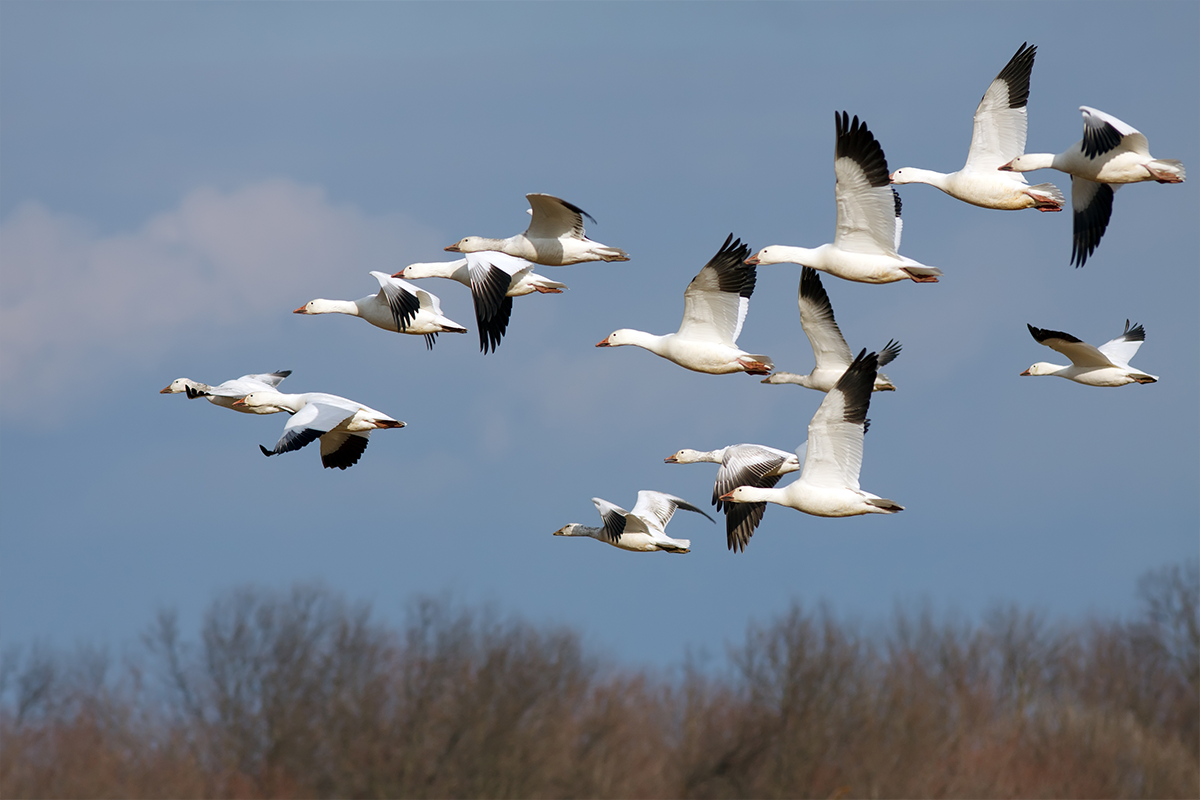
The virus can be transmitted easily by an infected bird through its feces and respiratory secretions. Remarkably resilient, the virus can persist on various surfaces for an extended period, continuing to pose a risk to other birds. Species such as geese, ducks, eagles, and hawks are particularly vulnerable, though any bird species may become infected.
Is avian influenza dangerous to humans?
While it can pose a risk, avian influenza is not easily contracted by humans and is even harder to transmit between individuals. Symptoms in humans may range from mild to severe, resembling flu-like ailments such as fever, cough, sore throat, body aches, and fatigue; more serious conditions, including pneumonia, have also been reported. Despite a few rare fatalities, avian influenza is generally seen as a low threat to human health.
What’s the deal with bird feeders?
Several wildlife experts, including those from the BC Society for the Prevention of Cruelty to Animals (SPCA), suggest that bird feeders should be reserved primarily for the harsher winter months. During the spring and summer, natural food sources are abundant for birds, reducing the need for feeders. To attract birds to your garden, consider planting a variety of flowering plants and shrubs that naturally draw them in.
What can I do to help?
The current guidance to remove bird feeders and empty birdbaths is particularly applicable for areas with domestic birds such as poultry. Wild songbirds are less prone to contracting and transmitting avian influenza, but the BC SPCA highlights that bird feeders and baths can lead to overcrowding, which raises the risk of virus dissemination. Additionally, dropped seeds can attract birds to the ground, where they may come into contact with droppings accumulating below feeders.
Is there anything else I should do?
In addition to removing feeders and baths, be sure to clean any outdoor surfaces that may have bird droppings. Avoid direct handling or feeding of wild birds as a precaution. Keep an eye out for any signs of sickness in birds in your vicinity. Should you encounter any ill or deceased birds, reach out to your local wildlife authority for reporting. For instance, in Canada, you can utilize the online tool provided by the Canadian Wildlife Health Cooperative or call 1-800-567-2033.
By taking these steps, we can help ensure the safety and wellbeing of our avian companions, allowing them to delight us with their songs.