
Human beings have developed over countless thousands of years to flourish on unrefined, natural foods, which forms the basis of the current revival centered around ancestral diets. This movement encourages eating habits similar to those of our forebears, prior to the advent of industrialized food production.
Although our ancestors inhabited a world with fewer toxins, their diverse diets featuring seasonal wild foods significantly enhanced their bodies’ natural detoxification processes.
This comprehensive detoxification guide integrates age-old culinary knowledge aimed at aiding our ancestral physiology within today’s context.
Optimal Detoxification
“A well-nourished body has the essential components required to maintain liver and kidney functions as well as effective detoxification,” explains Stefanie Adler, a certified nutrition consultant and functional diagnostic nutritionist.
Importance of Protein and B Vitamins
Protein is a crucial nutrient for the body’s creation of enzymes that facilitate detoxification. Animal-based foods provide the most substantial protein and are also rich in B vitamins, which play a vital role in the methylation processes necessary for detoxification.
Increasing whole, protein-rich foods in our diets can be beneficial for many individuals.
The Ancestral Approach
Adopting a nose-to-tail eating philosophy means utilizing every part of the animal—meat, fat, organs, marrow, eggs, dairy, and fish with bones. This practice not only respects the animal but also ensures a diverse and nutrient-rich diet.
Organ meats such as liver, heart, and kidneys are especially abundant in B vitamins.
Using traditional grains that retain their germ and bran helps to maximize B-vitamin content. Fermenting dairy and vegetable foods naturally leads to the production of B vitamins due to microbial activity.
Role of Phytonutrients
A variety of plant-based compounds can enhance detoxification processes. Notable examples include sulphoraphane from cruciferous vegetables, polyphenols found in berries and herbs, catechins present in green tea, and allicin from garlic.
Many contemporary dietary patterns provide significantly lower levels of phytonutrients compared to those consumed by our ancestors.
The Ancestral Approach
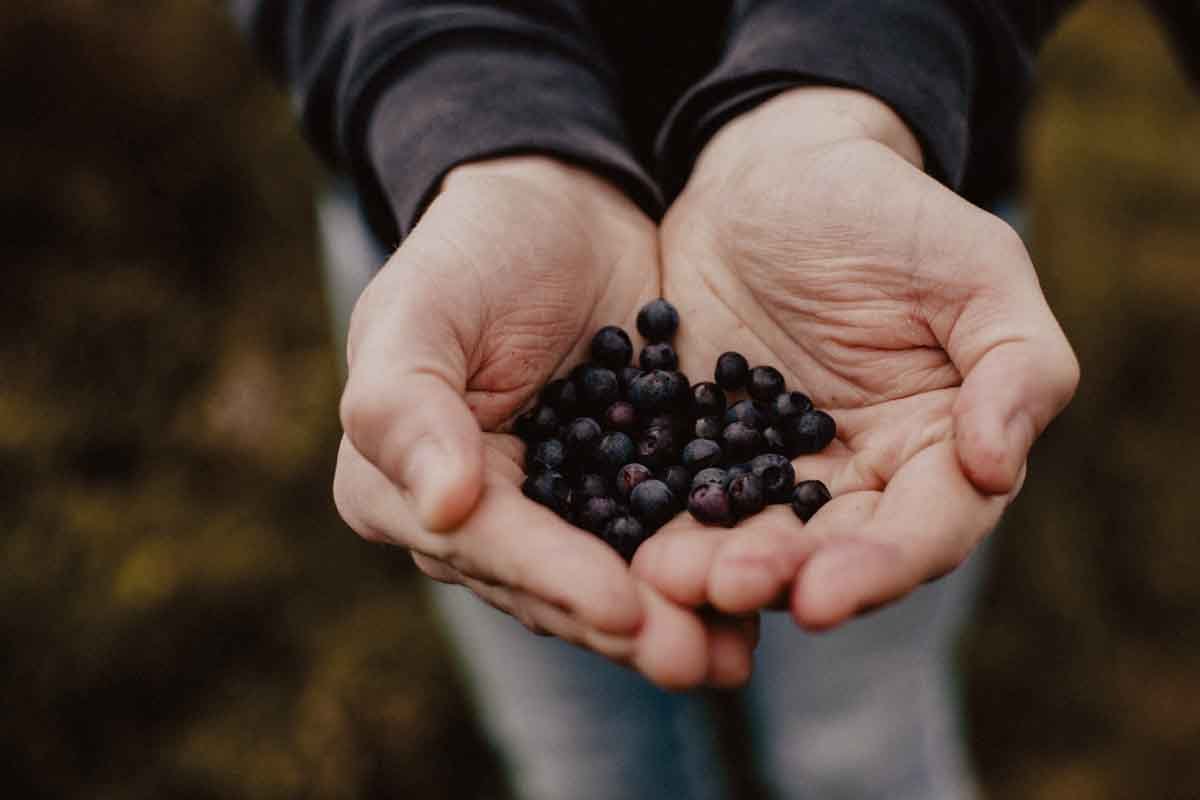
Traditional diets often include wild plants, heirloom vegetables, and foraged herbs that generally offer higher concentrations and greater varieties of phytonutrients than those typically found in commercially cultivated crops. For example, wild blueberries can contain much higher levels of phenols and anthocyanins compared to their cultivated counterparts.
Unlike the modern inclination towards milder greens and herbs, ancestral diets are believed to have embraced a range of bitter-tasting plants such as dandelion, chicory, and nettle, which have historically been used to aid digestion and support detoxification.
Moreover, ancestral diets align with seasonal cycles, making spring a prime time for enhancing detox efforts through local foraging, such as harvesting dandelions.
Essential Minerals
Adler emphasizes the importance of maintaining adequate levels of essential minerals, such as magnesium, selenium, sodium, potassium, and calcium, which can help displace heavy metals in the body—crucial for effective detoxification.
A deficiency in minerals often leads to the body accumulating heavy metals, which is linked to various chronic illnesses, including cardiovascular diseases and some forms of cancer.
Currently, magnesium is one of the most depleted minerals in our soils. Research involving animals indicates that diets low in magnesium are associated with diminished glutathione levels, a key antioxidant pivotal for liver detoxification.
The Ancestral Approach
Wild and pastured animals consume a wider variety of nutrients due to their natural diets compared to conventionally raised livestock, resulting in meat that is significantly richer in minerals like magnesium and selenium.
Traditional methods of food preparation and preservation also elevate the mineral content and bioavailability of the food consumed.
Ancestral Food Preparation Techniques
Pursuing traditional food preparation and preservation techniques can enhance the nutrient availability in your meals.
Soaking
Soaking grains and legumes can diminish oxalate and lectin levels, substances that can hinder nutrient absorption in the body.
Sprouting
Germinating legumes and grains enhances the absorbability of minerals such as iron, calcium, and zinc by breaking down phytates, which otherwise restrict mineral absorption.
Fermentation
Fermented foods, including vegetables (like sauerkraut, pickles, and kimchi) and dairy products (such as yogurt and kefir), contain beneficial bacteria and organic acids that enhance gut health and nutrient absorption. Fermenting produce can also boost levels of vitamins A and C as well as phenols.
The fermentation involved in sourdough bread preparation significantly reduces phytate content.
Bone Broth
Simmering bones, joints, and marrow for extended periods along with a splash of vinegar allows minerals to leach into the liquid, creating a nutrient-dense broth. Bone broth is rich in collagen, essential amino acids (like glutamine, glycine, proline, histidine, arginine), and minerals (including calcium, phosphorus, potassium, magnesium, and zinc). Consuming bone broth may enhance gut health and improve nutrient absorption.
This article was originally published in the January 2026 issue of up7op magazine.