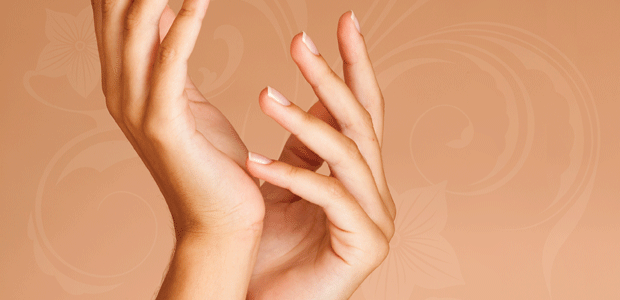

Nails, whether long or short, refined or natural, serve as a charming extension of our fingers. Their continual growth reflects our health status and can reveal internal issues before they manifest in other ways.
As we age, our nails often lose moisture, resulting in thinner and weaker structures. Additionally, extreme dieting and deficiencies in vitamins can negatively impact nail quality. For example, nails that are prone to brittleness might suggest inadequate vitamin A intake, while dryness could indicate a deficiency in B vitamins.
Individuals with psoriasis frequently encounter nail issues. Among those experiencing arthritis linked to psoriasis, around 80% deal with nail problems, which can manifest as discoloration or pitting in both fingernails and toenails. These affected nails may thicken, turn yellow, crumble, and the skin surrounding them can become inflamed. A condition known as onycholysis may cause nails to detach from the nail bed.
Because psoriasis affects fat metabolism, it’s beneficial for those with the condition to incorporate omega-3 fatty acids into their supplement plan, along with folic acid, vitamins A and E, selenium, zinc, and dietary silicon.
| What insights can your nails provide? | |
| Nail Characteristics | Potential Issues |
| Clubbing – nails curve and swell | Possible heart or lung conditions |
| Spoon-shaped – tips elevated | Potential anemia or B12 deficiency |
| Vertical ridges | Indicators of hormone imbalance or protein shortage |
| Horizontal ridges | Results from physical or mental stress |
| Black lines or spots | Could signal intestinal ulcers or melanoma |
| Thickened nails | May point to circulatory issues |
| Redness around cuticles | Likely associated with psoriasis |
| Blue-tinged nail bed | Possible heart or lung complications |
| Yellowish nails with pink base | Could indicate diabetes |
While our nails can reflect our health, it’s essential to remember that not all nail issues stem from underlying health conditions. For instance, tumors and warts can develop anywhere on the nail unit, potentially causing the actual nail to be compromised. Warts are painful viral infections affecting the skin around or beneath the nail; due to the potential for some lesions to be cancerous, it’s crucial to consult a healthcare professional regarding any unusual growths or lumps.
Conversely, persistent exposure to water or chemicals may lead to fungal infections. Nail biting or thumb-sucking in children can also trigger these infections. Neglecting such issues could result in nail loss, so taking precautions, like wearing cotton gloves beneath rubber ones if your job involves regular water exposure, is advisable.
| Tips to Prevent Cracking and Splitting
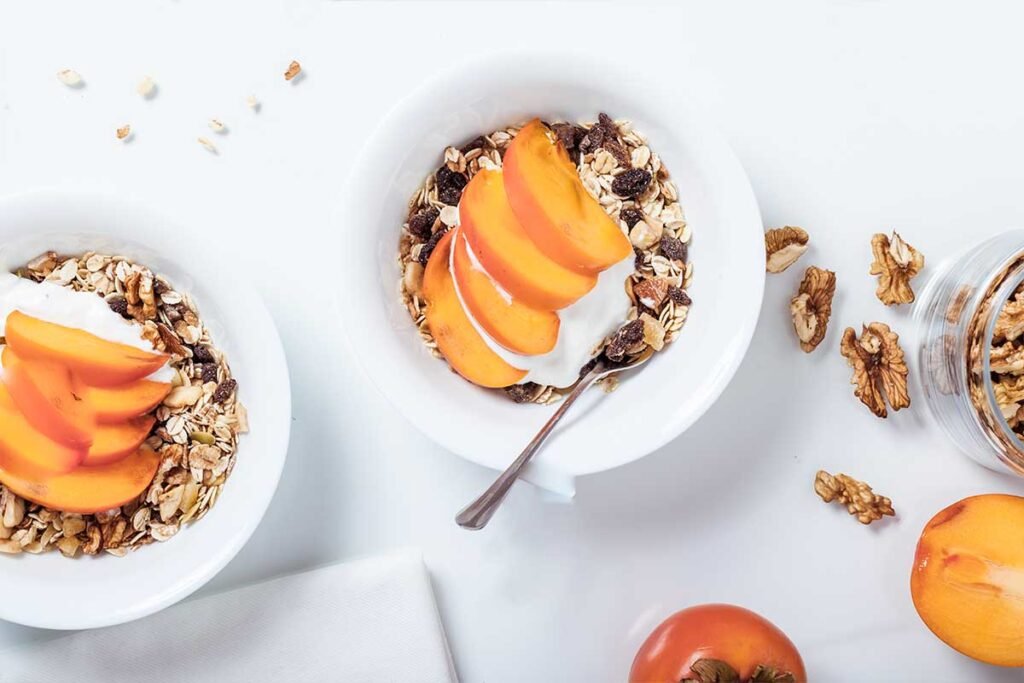
To promote nail health, incorporate these biotin-rich foods into your routine:
|
Revitalizing Weak Nails
Healing
Some nail infections may be alleviated with straightforward home care. If an abscess hasn’t developed, soaking your nails in warm water with tea tree oil can lead to improvement. Research from the University of Rochester School of Medicine suggests that applying a drop of tea tree oil to the nail bed a few times daily can be as effective as clotrimazole, a commonly prescribed antifungal.
Pampering
Give your nails some care with a 10-minute soak in extra-virgin olive oil. To strengthen weak nails, a mixture of warm water with a few drops of horsetail or rosemary essential oil can be beneficial. For brittle nails, soaking them in warm water with drops of evening primrose or calendula essential oil may help soften them.
Nourishing
Finally, for healthy nails, ensure your diet is well-rounded and includes fresh produce, whole grains, proteins from legumes (beans, peas, lentils, and soy), as well as seeds, nuts, eggs, fish, and lean meats. Incorporate vegetables rich in sulfur and silicon, such as broccoli and onions, into your meals. Staying hydrated with plenty of pure, filtered water is also essential.
Be attentive to the signals your nails convey and share any concerns with your healthcare practitioner. Once you begin addressing the root causes of your nail issues, it may take up to two years for the improvements to become visible in your nails.
| Nail Care Recommendations for Optimal Health | ||
| Recommended Daily Intake | Benefits | |
| Vitamin A | 5,000 IU | Assists in protein utilization for nails |
| Vitamin B complex (including biotin) | 100 mg | Fortifies brittle nails |
| Omega-3 essential fatty acids | 1,100 mg | Moisturizes and nourishes nails |
| Orthosilicic acid (silicon) | 3 mg | Enhances nail strength |
| -From Living Beauty (Fitzhenry and Whiteside, 2006) | ||