
As the second installment in our three-part series on immune health, we aim to refresh your memory on effective strategies for safeguarding your health and enhancing your immune system against viruses and infections.
Feeling Stressed?
It’s well known that excessive busyness and stress can undermine our immune systems, making us more vulnerable to infections. Viruses like the cold and flu can take hold when we push ourselves too hard.
Amid global worries regarding health, our already hectic lives are subject to additional stressors. However, practicing stress-relief techniques such as yoga, qi gong, tai chi, deep breathing, meditation, or regular exercise can significantly alleviate stress and lower your chances of falling ill.
Botanical supplements known as adaptogens may also offer benefits, enhancing the body’s adaptability to stress and its capacity for recovery.
Need Additional Support?
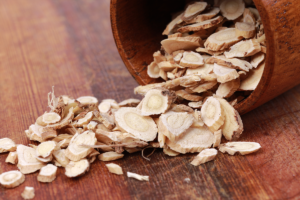
Siberian Ginseng (Eleutherococcus senticosus)
Research suggests that Siberian ginseng can assist the body in adapting to challenging physical conditions while enhancing cognitive performance.
Ashwagandha (Withania somnifera)
This herb may help to restore harmony in the neuroendocrine and immune systems, effectively lessening anxiety and stress while regulating the nervous system’s chemical signaling by inhibiting the stress response in the brain.
Rhodiola (Rhodiola rosea)
Rhodiola has been shown to shield the heart from damage due to high stress hormones and can lead to improvements in sleep quality, energy levels, and overall well-being.
Asian Ginseng (Panax ginseng)
This adaptogen is known to enhance cognitive functions and lower mental fatigue particularly during stressful times, while also alleviating anxiety, depression, and inflammation related to stress.
Stay Active
Regular exercise is a formidable ally for immune health, particularly for those under stress. Numerous studies have highlighted the extensive benefits of physical activity on the frequency and severity of ailments like colds and flu.
For instance, one study found that individuals who engaged in aerobic activity experienced a 41% reduction in the severity of upper respiratory tract infections when compared to sedentary peers.
Prioritize Quality Sleep
The importance of sleep for maintaining a robust immune system has been extensively studied. Research indicates that individuals who slept less than seven hours per night or had poor-quality sleep were three to five times more susceptible to infections when exposed to a cold-causing virus. If you’re struggling to get enough rest, seek assistance.
Maintain a Nutritious Diet
While proper nutrition is crucial year-round, consuming a balanced diet rich in whole, nutrient-dense foods — such as fresh fruits and vegetables — is particularly essential for fortifying against viruses and infections. Focus on filling your plate with immunity-boosting foods.
Essential Foods to Stock Up On
Protein Sources: Tofu, Turkey, or Tahini
Protein plays a crucial role in immune functions. A protein-rich diet can bolster your defenses against infections, especially during times of stress. Ensure you’re incorporating protein into every meal and snack throughout cold and flu season.
Vegetables: Load Up on Colorful Produce
Packed with bioflavonoids, vibrant foods like blueberries, tomatoes, and cabbage can reduce the risk of infections by approximately 33%. This provides yet another compelling reason to include a variety of fruits and vegetables in your meals. Don’t forget that health food stores offer convenient greens supplements that can be easily added to your morning smoothies or other meals.
Natural Remedies: Honey
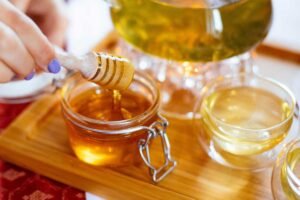
Honey, especially manuka honey, can function as both a food and a natural remedy, providing relief as a cough suppressant and promoting healing. Some research has suggested that it can outperform prescription cough medications in easing symptoms and improving sleep in children suffering from colds. Adults have also found success with a honey and coffee version that was more palatable than conventional steroid treatments (find the recipe below!).
Ingredients: 250 g (about 3/4 cup) manuka honey and 35 g instant coffee (approximately 6 1/2 tablespoons).
Instructions: Blend the honey and coffee together, then mix 1 tablespoon (15 mL) of the blend into a cup of warm water, three times daily.
Practice Good Hand Hygiene!
Handwashing remains one of the most effective methods to protect yourself and others from illness. Here’s a reminder on when and how to wash your hands.
Key Times to Wash Your Hands
- Before, during, and after cooking
- Before eating
- Before and after caring for someone who is unwell
- After sneezing, coughing, or blowing your nose
- After touching shared objects
- Before and after tending to a wound or cut
- After using the restroom
- Prior to placing or removing contact lenses
- Before flossing
- After assisting others with personal care
Alternative When Soap and Water Isn’t Available
When soap and water are unavailable, using an alcohol-based hand sanitizer containing at least 60% alcohol is a suitable alternative.
- Pour a sufficient amount onto the palm of one hand (follow the product’s instructions).
- Rub your hands together.
- Ensure the gel covers all surfaces of your hands and fingers and keep rubbing until your hands are dry. This should take about 20 seconds.
Steps for Proper Handwashing
- Remove jewelry from your hands or arms.
- Wet your hands using warm water.
- Apply plain soap (avoid antibacterials) and rub your hands together for 20 seconds (the duration it takes to sing “Happy Birthday” twice).
- Wash both the front and back of your hands, as well as between your fingers and beneath your nails.
- Rinse thoroughly under warm running water for 10 seconds while rubbing your hands together.
- Dry your hands gently with a paper towel.
This article was initially published in the June 2020 issue of up7op Canada magazine.