

Personal Endeavor in Preserving Ancient Apples from the Lost Orchard
In the realm of the food we consume, diversity is not just an enhancement; it plays a fundamental role in securing a robust, healthy, and sustainable food system. Unfortunately, the commercial focus on attributes like appearance or ease of transport rather than flavor, nutrition, or resilience to climate change has led to the disappearance of numerous food varieties, with many more on the brink of vanishing.
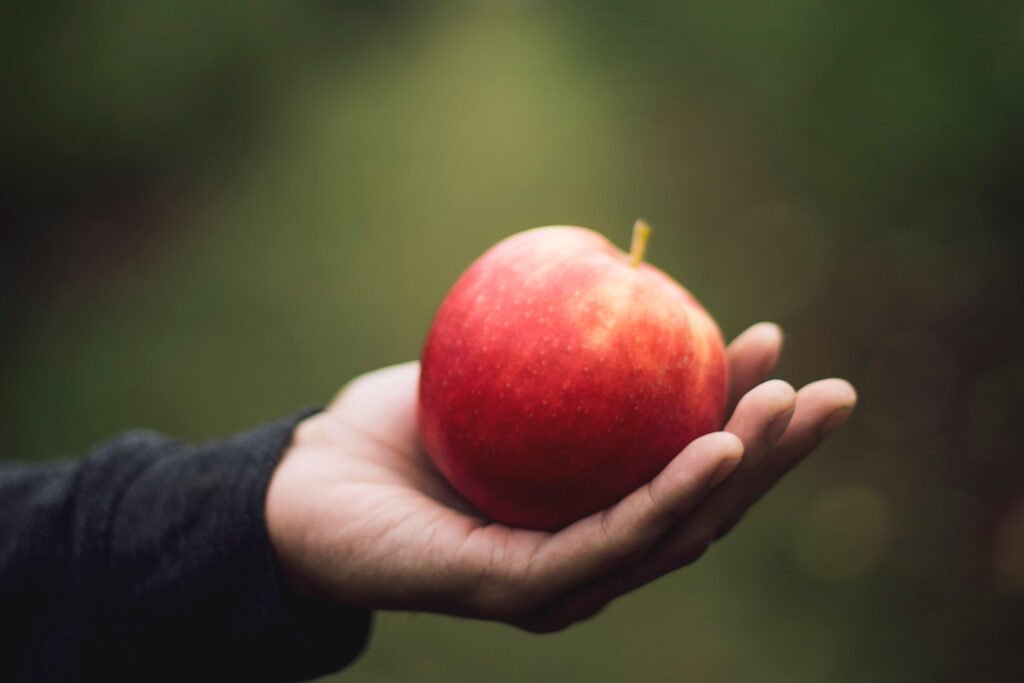
Although wildlife extinctions often garner public attention, the lesser-known fact is that food varieties can also become extinct, jeopardizing our food supplies. Apples serve as a significant example of food varieties at risk of extinction. Although many might think all apples are alike, with just a handful of varieties available in stores, over 6,100 apple varieties have been lost over time.
According to Seeds of Diversity, a Canadian nonprofit, historical records show 7,098 varieties of apples were known to exist between 1804 and 1904. Alarmingly, 86% of these have vanished since then. Apples are especially at risk, but this worrying trend is mirrored across various crops globally.
In the past century, 75% of the world’s food diversity has been lost. The rise of industrial agriculture and the globalized food supply chain has centralized crop selection under major corporations, drastically reducing variety and sidelining local and regional varieties that were once common in Canadian homes in the early 20th century.
During that era, farmers and producers across Canada preserved seeds from numerous crops, ensuring the survival of diverse plant types annually. Unfortunately, as industrial food systems took over, the practice of seed saving dwindled. A startling 1999 report from the United Nations Food and Agriculture Organization (FAO) noted that merely 150 to 200 of the 300,000 known edible plant species are actively consumed by humans, with a staggering 75% of the global food supply derived from just 12 plant species—a group that includes wheat, corn, and rice.
But how many apple varieties do we actually require? A broader range of agrobiodiversity reduces risks and enhances food supply sustainability. This diversity acts as a safeguard against pests, diseases, climatic changes, and other factors that threaten food security.
When the stability of our food systems is uncertain, would you rather rely on resilient plants with a proven track record or gamble on standardized varieties that may be heavily treated with chemicals, genetically modified, nutritionally lacking, and often transported long distances? The answer is apparent.
For me, my two-plus decades of advocating for food security took an inspiring turn, morphing my already fulfilling mission into an exhilarating and passionate quest.
The Revelation of the Lost Orchard
How to Contribute to the Prevention of Food Extinction
You can support biodiversity and help combat food extinction through the following actions:
> Diversify your meals by selecting heritage and rare varieties instead of supporting uniform options with similar shapes or sizes.
> Avoid using pesticides on your lawn or in your gardens.
> Steer clear of purchasing food treated with pesticides.
> Opt for organic or untreated food whenever possible.
> Buy and plant heirloom and heritage seeds and produce.
> Shop at farmers’ markets to support local agriculture.
> Learn to save seeds from the heritage crops you cultivate.
> Participate in seed-saving initiatives or exchanges.
> Advocate for the use of heritage food varieties with local eateries.
Foods Facing Extinction Threats
The following foods are under threat of extinction (includes the specific dangers and estimated year of extinction):
| Food | Threat | Estimated Year of Extinction |
| Avocados | Drought | At risk |
| Chocolate | Climate change | 2030 to 2050 |
| Coffee Beans | Excessive consumption of arabica beans | 2050 |
| Honey | Colony collapse disorder | At risk |
| Maple Syrup | Climate change | 2100 |
| Peanuts | Drought and increasing temperatures | 2055 |
| Wine Grapes | Climate change | 2050 to 2100 |