
As urban areas continue to expand, the significance of green areas becomes more pronounced. Although towering buildings and crowded streets are defining features of city life, access to parks and natural settings holds immense value.
Air pollution poses a critical challenge in metropolitan environments. Emissions from vehicles, industries, and other human activities contribute to the release of toxic substances into the atmosphere, resulting in respiratory ailments, cardiovascular diseases, and various other health complications. It is estimated that close to 9 million individuals perish each year due to polluted air.
The Role of Green Spaces in Urban Areas
Green spaces serve as natural air purifiers by absorbing pollutants and generating oxygen. Consequently, more green spaces within a community lead to improved air quality. Cities that provide parks and natural areas often exhibit better air quality and reduced instances of health problems tied to pollution.
“Green areas enhance life quality and are vital for mental and physical health,” explains Olga Abinader, director of environmental review and land use planning at Matrix New World Engineering. “Individuals living in urban settings with greater access to green spaces face lower levels of mental distress and are less inclined towards anxiety, depression, and other health issues.”
Understanding the Urban Heat Island Phenomenon
The urban heat island (UHI) effect has significant implications for city inhabitants across various dimensions.
UHIs arise in large cities where natural greenery is replaced by an abundance of buildings and materials like asphalt, concrete, and pavement. This transformation results in elevated temperatures compared to nearby rural areas, as urban surfaces trap and hold heat from the sun. The absence of natural cooling elements like trees further exacerbates this problem.
The UHI effect can contribute to heat-related medical conditions, escalate energy use, and amplify air pollution (seen with increased air conditioning usage). By providing shade, evaporative cooling, and natural ventilation, green spaces can effectively mitigate these concerns. Thus, urban areas rich in greenery tend to be cooler and provide a more comfortable living environment.
While immediate solutions may not always be feasible, a wealth of opportunities exists for urban planners, architects, and engineers to address these challenges:
- Utilize reflective pavement materials to limit heat absorption from sunlight.
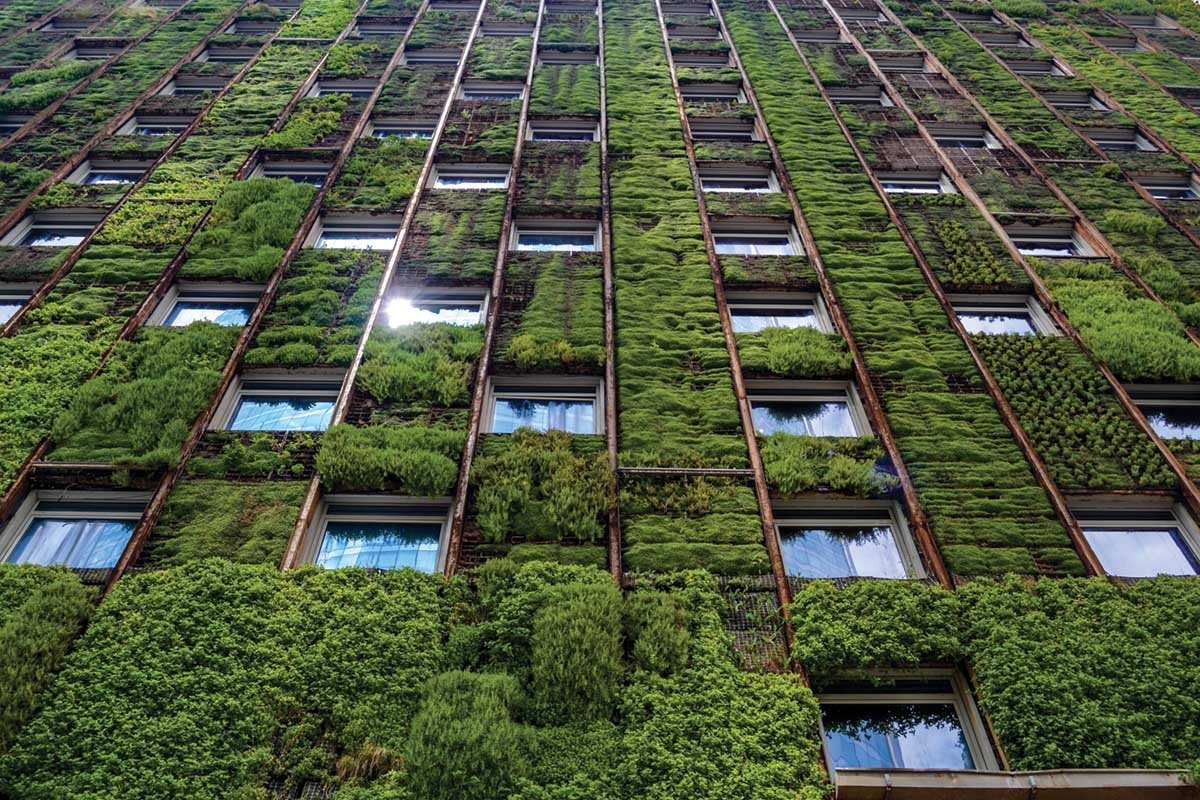
- Integrate green roofs and walls to introduce more vegetation into urban settings.
- Apply reflective coatings on rooftops and walls to diminish heat retention.
- Install cooling towers and misting systems to enhance natural ventilation and facilitate evaporative cooling.
Obstacles to Urban Green Areas
One of the primary hurdles for urban green spaces is their accessibility. Many communities face challenges in accessing these spaces due to their locations, which are often distant from certain neighborhoods. Numerous parks and natural areas may exist far from some communities, complicating access for those lacking a vehicle or reliable transportation.
For green spaces to fully benefit communities, accessibility for all must be a priority. Creative avenues such as community gardens, urban farms, public parks, and rooftop gardens can help incorporate vibrant green areas into densely populated urban regions.
“Everyone, including those with disabilities, should have the right to experience and enjoy outdoor urban green spaces,” remarks Abinader. “It is crucial to eradicate restricted access to open spaces and community gardens.”
Urban settings frequently generate more waste, consume greater energy, and exhibit elevated greenhouse gas emissions when compared to rural environments. Nevertheless, actionable changes can be made through improved planning and individual accountability. For instance, city planners can design more walkable and bike-friendly communities, minimizing reliance on cars and contributing to lower emissions.
Another pressing environmental challenge facing high-density urban locales is noise pollution. This type of pollution originates from various activities, including traffic, construction, and industrial operations. Noise pollution poses serious health risks, including stress, hearing impairment, and sleep disruptions. Green spaces can serve as effective buffers against such noise by absorbing sound waves and lowering overall noise levels.
The Essential Role of Green Spaces in Sustainable Urban Development
Green spaces are vital contributors to enhancing life quality within urban settings. Through collaboration and personal initiative, we can foster the development of more sustainable and enjoyable cities for everyone.
Individuals residing within 300 meters of parks and green spaces typically report lower rates of depression and anxiety.
Eager to cultivate a garden but lack sufficient space? Here are some guidelines for starting a community garden:
- Gather interested neighbors to establish a garden committee for planning and organization.
- Identify a suitable site, such as an empty lot or a section of a park.
- Explore grants and funding avenues to assist with material and tool expenses.
- Consider collaborating with local organizations and businesses for additional support.
With commitment and teamwork, a community garden can flourish as a vibrant green area for all to appreciate, reflecting the distinctiveness of your community.
Gardening offers an excellent opportunity to connect with nature while enhancing overall well-being. Spending time outdoors near greenery can alleviate stress and anxiety, while fostering creativity and improving mood.
Additionally, gardening can serve as a gentle form of exercise, promoting cardiovascular fitness and improving muscle strength. The produce harvested can be a healthy addition to your meals, supplying essential nutrients that contribute to a well-rounded diet.