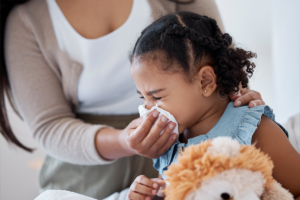


Runny noses, coughs, ear infections, stomach aches, fevers—if you’re a parent, these symptoms likely make frequent appearances in your home. Minor ailments are a normal part of childhood and play a crucial role in strengthening the immune system.
Illnesses can be tough for little ones, and parents often strive to make their children as comfortable as possible while aiding their recovery. However, many moms and dads also have concerns about the overuse of medication and are increasingly turning to natural remedies for relief.
This interest in natural options is not just limited to parents; growing concerns about antibiotic resistance, side effects, and other medication-related risks have prompted considerable research into alternative treatments for children. Below are some issues and natural remedies that have captured the interest of researchers recently.
Ear infections
Medically referred to as otitis media, ear infections are a frequent headache for many parents, especially those with young children.
Youngsters are more susceptible to ear infections due in part to their Eustachian tubes, which connect the middle ear to the throat and help regulate air pressure. These tubes are shorter and more direct in children, making them easier to block and more likely to lead to infections.
Moreover, children have less immunity against various viruses and bacteria, as their immune systems are still developing and lack the experience that adult immune systems have gathered over time. Consequently, otitis media is a prevalent concern, and for some children, it occurs repeatedly.
Historically, antibiotics and over-the-counter pain relievers like Tylenol were the go-to treatments for these infections. Recently, however, the approach has shifted towards “watchful waiting,” where immediate antibiotic prescriptions are no longer standard practice.
The current strategy emphasizes comfort measures for children throughout a few days of observation to see if the infection resolves naturally, reserving antibiotics for cases such as infections in children under two or those with recurrent otitis, where more aggressive treatment is warranted due to potential negative impacts on learning and language.
Compresses and ear drops
Some natural methods for pain relief include warm compresses and ear drops. A simple warm, damp cloth applied over the affected ear can provide comfort.
Natural ear drops may also be available, with some studies suggesting that a combination of olive oil and herbal extracts (containing antibacterial and pain-relieving herbs like St. John’s wort, garlic, mullein, and calendula) could be beneficial.
Before administering ear drops to your child, it’s wise to have a healthcare professional check for any issues, such as a perforated eardrum, that could prevent the use of drops.
While natural remedies can alleviate some symptoms associated with otitis media, they are especially valuable in preventing recurrent infections. If your child often experiences ear infections, consider addressing the following factors.
Food allergies
One contributing factor to ear infections is inflammation in the Eustachian tubes, which may be exacerbated by food allergies. It may be helpful to rule out potential allergens in children prone to frequent otitis. Consulting a knowledgeable healthcare provider can assist in identifying problematic foods.
Second-hand smoke
Children exposed to cigarette smoke are more likely to experience ear infections than their peers who are not exposed, which adds one more reason for smokers to quit.
The protective role of xylitol
Xylitol, a natural sweetener, has emerged as a potential ally against ear infections. Research involving over 1,800 children in daycare settings indicated that regular consumption of xylitol through products like lozenges, syrup, or chewing gum significantly reduced the incidence of otitis by 25%. Additionally, this sweetener is safe for teeth and may even lower the risk of tooth decay due to its ability to hinder harmful bacteria.
Coughs and sore throats
Honey
For generations, mothers have recognized honey’s effective soothing qualities for coughs and sore throats, and scientific studies are now validating this wisdom. Research conducted in 2010 showed that honey was more effective than over-the-counter cough medicines in alleviating nighttime coughs among children aged two to five. Parents rated honey as superior to dextromethorphan, a widely used cough suppressant that has been scrutinized in recent years.
Given the lack of proven effectiveness and potential side effects associated with dextromethorphan, Health Canada advised against using over-the-counter cough medications in children under six in 2008.
Thyme and ivy syrup
Thyme and ivy have both been used traditionally to treat coughs. Research supports the safety of ivy extract in children, while thyme is recognized by Health Canada as a suitable cough remedy for all ages.
Colic and stomach issues
Colic can cause significant distress in infants, leading to prolonged crying that can exhaust concerned parents who are often advised to simply wait it out. However, exploring natural remedies can be beneficial during this time.
Mom’s diet matters
For breastfeeding mothers, dietary choices can significantly impact colic. Excluding certain gas-forming or allergenic foods (like dairy, eggs, peanuts, tree nuts, wheat, soy, fish) from their diets may help alleviate colic symptoms in their infants.
Transitioning formulas
For infants who are not breastfed, formula can sometimes lead to colic issues. Trying different types of formula might provide relief.
Fennel
This common herb can ease gas and bloating, and studies have demonstrated its effectiveness for colic, often used alone or in conjunction with other calming herbs like chamomile and lemon balm. Always consult a healthcare provider before using herbal remedies for infants to ensure proper dosing.
Probiotics
Research indicates that supplementing colicky infants with the probiotic Lactobacillus reuteri can significantly reduce crying. In a study of 46 colicky infants, roughly half received the probiotic, and many showed marked improvement in crying reduction over three weeks. After a week, around 80% of those receiving probiotics experienced a reduction in crying time by at least half, compared to fewer than 40% in the control group, allowing for some much-needed rest for both babies and parents.
Probiotics also play a crucial role in managing other gastrointestinal issues in children, such as upset stomachs and diarrhea, which may arise from antibiotic use or viral infections. With a decrease in antibiotic prescriptions for children, instances of antibiotic-associated diarrhea remain a concern, as these medications can harm beneficial gut bacteria.
Evidence suggests that probiotics can mitigate the risk of this type of diarrhea; numerous studies have explored this effect. Specifically, Saccharomyces boulardii is among the most studied probiotics in children.
Additionally, probiotics are effective in preventing infectious diarrhea, often linked to viruses that can spread quickly in group settings like daycare. One study revealed that three months of Lactobacillus GG supplementation in daycare children led to a notable decrease in both intestinal and respiratory infections, resulting in fewer sick days from school.
Menstrual pain
Although not typically categorized as a children’s issue, menstrual pain can be a significant challenge for girls under 18. Many young women experience severe discomfort, relying on over-the-counter or prescription pain relief. Here are some natural strategies that may help alleviate menstrual pain.
Yoga
A 2011 study indicated that specific yoga postures, such as cobra, cat, and fish poses, could effectively reduce both the intensity and duration of menstrual cramps. Given the multiple benefits of yoga and its lack of adverse side effects, it’s a worthwhile option for managing menstrual discomfort.
Omega-3 fatty acids
Omega-3 fatty acids from fish oils may alleviate pain through their anti-inflammatory properties. In two separate studies, young women reported reduced menstrual pain intensity after three months of omega-3 supplementation, leading to decreased reliance on pain medications.
Ginger
Ginger is a personal favorite recommendation due to its affordability, availability, and the delightful warming tea it can create, which may help lessen menstrual discomfort. Research indicates that ginger, given in 250 mg capsules four times daily, is as effective as over-the-counter pain relief options.
Allergies
Allergies can cause itchy eyes, sneezing, and irritability, disrupting both a child’s and a parent’s day. While antihistamines may provide symptom relief, they don’t address the root cause and prompt concerns among parents regarding daily use.
Sublingual immunotherapy for allergic rhinitis
Sublingual immunotherapy (SLIT) is a treatment that goes beyond symptom management, having proven effective and safe for both children and adults. This method involves administering small doses of allergens under the tongue daily, similar to allergy shots but without needles and with fewer side effects. Regular use can yield lasting relief within months and, with long-term application, can lead to complete resolution of symptoms.
Children will inevitably face some health challenges. Fortunately, various natural strategies can help alleviate common issues such as coughs, ear infections, and stomach discomfort, allowing your little ones to recover rapidly and feel better.