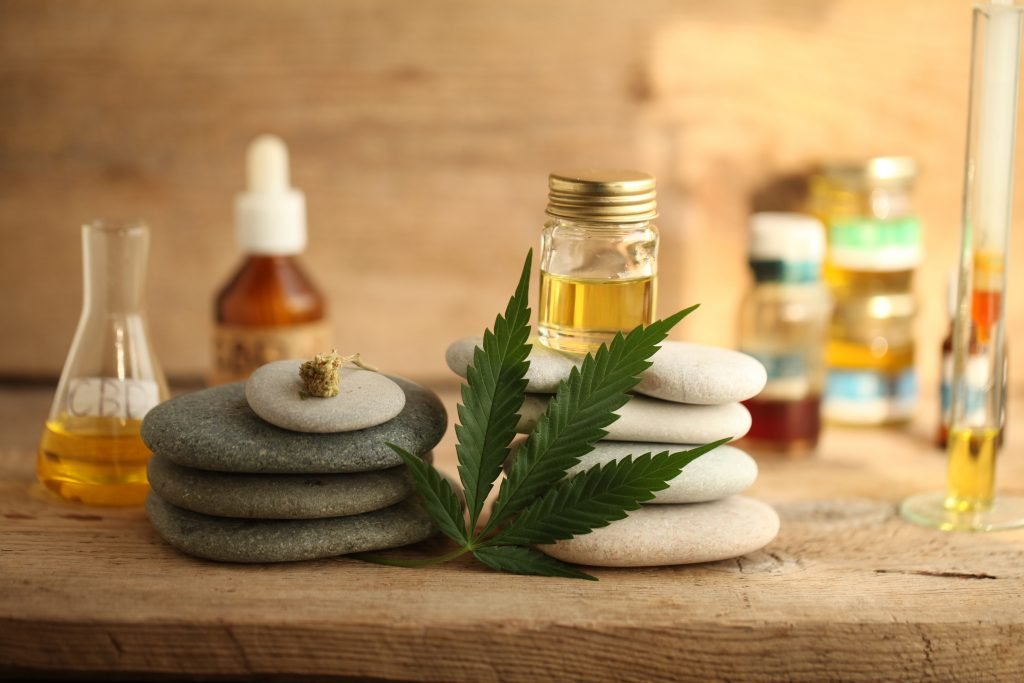

Following the legalization of cannabis in Canada, its derivatives are being incorporated into a wide range of products, including sweets, beverages, canine treats, and scented items. Notably, the beauty and personal care sector is also embracing this trend.
Cannabis, particularly cannabidiol (CBD), is emerging as a prominent ingredient in the beauty realm, featuring in items like face masks, serums, cosmetics, body washes, and more. In the United States, several leading cosmetic brands have introduced CBD-infused product lines, reflecting the growing trend of utilizing cannabis elements for enhancing beauty and self-care experiences.
What’s the Situation in Canada?
In Canada, the regulations dictate that cosmetics can only use cannabis derivatives that either fall outside the definition of cannabis outlined in the Cannabis Act or those exempted under the Cannabis Act through the Industrial Hemp Regulations.
However, the nuances can be complex. To be classified as exempt, the ingredient from the Cannabis sativa plant, or “industrial hemp,” must not possess isolated or concentrated phytocannabinoids or any synthetic alternatives.
Both CBD and tetrahydrocannabinol (THC) are classified as phytocannabinoids; thus, they cannot be intentionally included in cosmetics. CBD is listed as a Prescription Drug, which means any products claiming to contain added CBD must undergo the prescription approval process in Canada.
What Are the Implications for Cosmetics?
Cosmetics are permitted to incorporate trace amounts of naturally occurring phytocannabinoids from hemp. If a product does contain THC, it must comply with strict regulations: the concentration must be less than 10 μg/g, ensuring that topical application of CBD products will not induce psychoactive effects.
Such products are widely available both in physical stores and online.
Potential Advantages
Currently, CBD beauty products are showing promise, especially in addressing mild skin issues like acne. Emerging evidence suggests that CBD can be a viable anti-acne option, comparable to pharmaceutical treatments that combine multiple active ingredients, and it appears to have minimal side effects.
This compound is believed to possess anti-inflammatory and antioxidant characteristics, potentially aiding conditions such as psoriasis or eczema while also contributing to a youthful complexion.
Research indicates that the body’s endocannabinoid system may facilitate the effective absorption of beneficial components, enhancing their therapeutic effects.
Mostly Hype at This Point
Advocates for CBD-infused cosmetics tout various additional benefits, although many of these claims lack robust scientific validation. Some marketers, for instance, suggest that CBD-infused mascara can enhance lash length, CBD gloss can moisturize lips, and CBD creams can minimize fine lines.
Research in this domain is still in the early stages, exploring not only the safety and effectiveness of these products but also the long-term effects, interactions with other skincare products, and implications for vulnerable demographics, including pregnant women.
Consumer Caution Advised
“CBD has emerged as a significant trend in the cosmetics sector, but it remains a nascent field,” states Saina Taidi, chair of the Ontario chapter of the Society of Cosmetic Chemists and senior manager of global risk mitigation at Estée Lauder Companies.
“Further research is essential. I would advise against replacing established skincare products rich in antioxidants like vitamins C and E with CBD-based alternatives. Many aspects of CBD’s interactions and benefits are still largely unexplored. I’m not dismissive of it; I simply advocate for clinical insight before integrating it into your routine,” she elaborates.
Taidi encourages consumers to thoroughly research products before making a purchase, particularly online, as these domains are often rife with mislabeling. Studies have shown some products contained significantly lower CBD levels than advertised, with some being negligible. Others sourced from online sellers might pose safety risks.
“Sometimes, products are produced in unregulated environments without oversight from Health Canada or the FDA,” Taidi warns. “When shopping through social media platforms, it’s essential to ensure product authenticity.”
“There is no universal solution,” Taidi notes. “Just as with any topical treatments, individual skin types vary. If you have sensitive skin or underlying skin issues, consulting a healthcare professional about suitable products is advisable. The same applies to CBD products; consulting your doctor beforehand is wise.”