


01
Pet Ownership Statistics
As responsible pet owners, we must prioritize our pets’ well-being while also making environmentally conscious decisions regarding their food and toys. Achieving this is more straightforward than you may assume!
In 2018, 41% of households in Canada welcomed a dog (that’s a total of 8.2 million dogs), while 38% had at least one cat (amounting to 8.3 million cats). That same year, Canadians invested nearly $9 billion in pet-related products.
Starting Off Right

Choosing to adopt from a shelter is undoubtedly the most eco-friendly choice, though it may not be suitable for everyone.
If you’re beginning anew, seek out a trustworthy local breeder you can meet in person (and inquire about their pet rehoming policies). Purchasing from pet stores or online can be risky due to the potential involvement of unverified breeders.
Consider spaying or neutering your pet; both shelter statistics and your ethics support this sustainable practice.
Did You Know?
- In 2017, over 87,000 cats and 33,000 dogs were taken in by Canadian shelters.
- A single dog and her offspring can yield up to 67,000 puppies in just six years, while a cat can produce up to 370,000 kittens over seven years.
02
Sleep

If you’re feeling creative and looking for sustainable solutions, consider crafting pet beds from old pillows, comforters, wool garments, boxes, or even repurposed furniture. A quick search for “DIY pet bed” will provide countless ideas and tutorials.
If opting for new, select beds with washable covers made of natural fibers, steering clear of harmful substances like flame retardants, which are often found in foam. These compounds may interfere with various bodily systems and potentially raise cancer risks.
Avoid beds made from synthetic materials like polyester, which contribute significantly to microplastic pollution in our environment. Instead, consider beds composed of recycled shredded plastic as a more eco-friendly alternative.
03
Safe Accessories

Rope and chew toys made from natural fibers like cotton, twine, or wool are environmentally friendly and compostable. If you choose plastic options, ensure they’re free of bisphenol A (BPA) and phthalates, both of which can disrupt hormonal functions. Thrift shops can be treasure troves for secondhand toys without beads, blankets, and pet bowls, often benefiting animal shelters as well.
04
Nutrition
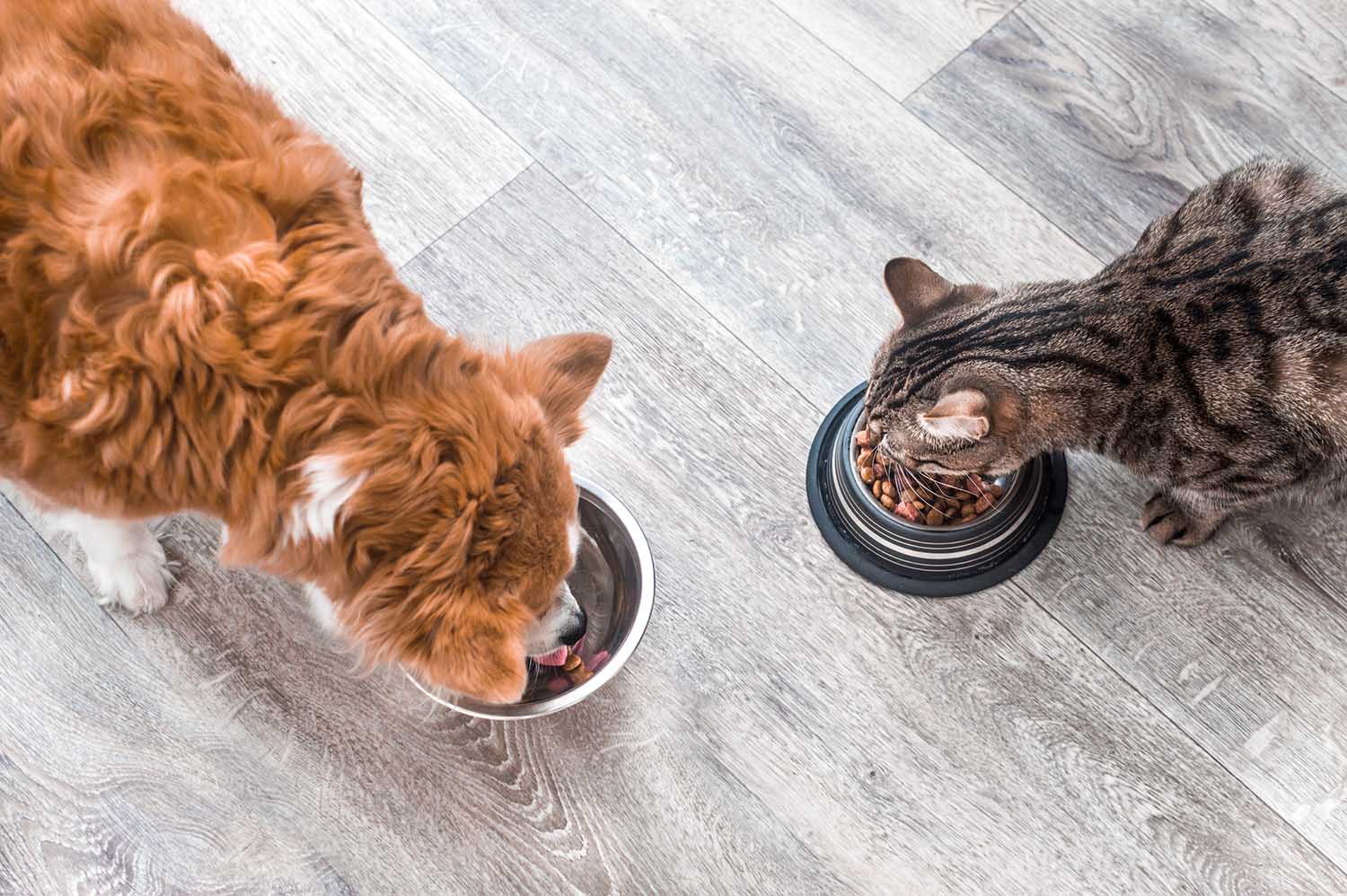
It’s best for both you and your pet to choose local and sustainable food sources. Look for pet food with ethically sourced ingredients, or consider raw food options from local farms and stores.
According to Corbie Black, owner of Bone & Biscuit Pet Store in Kamloops, BC, “Raw food typically undergoes the least processing.” He emphasizes that the ingredients in kibble, raw, dehydrated, or canned food must come from animals that are sustainably and humanely raised, utilizing every part of the animal for products, including treats.
05
The Other Side
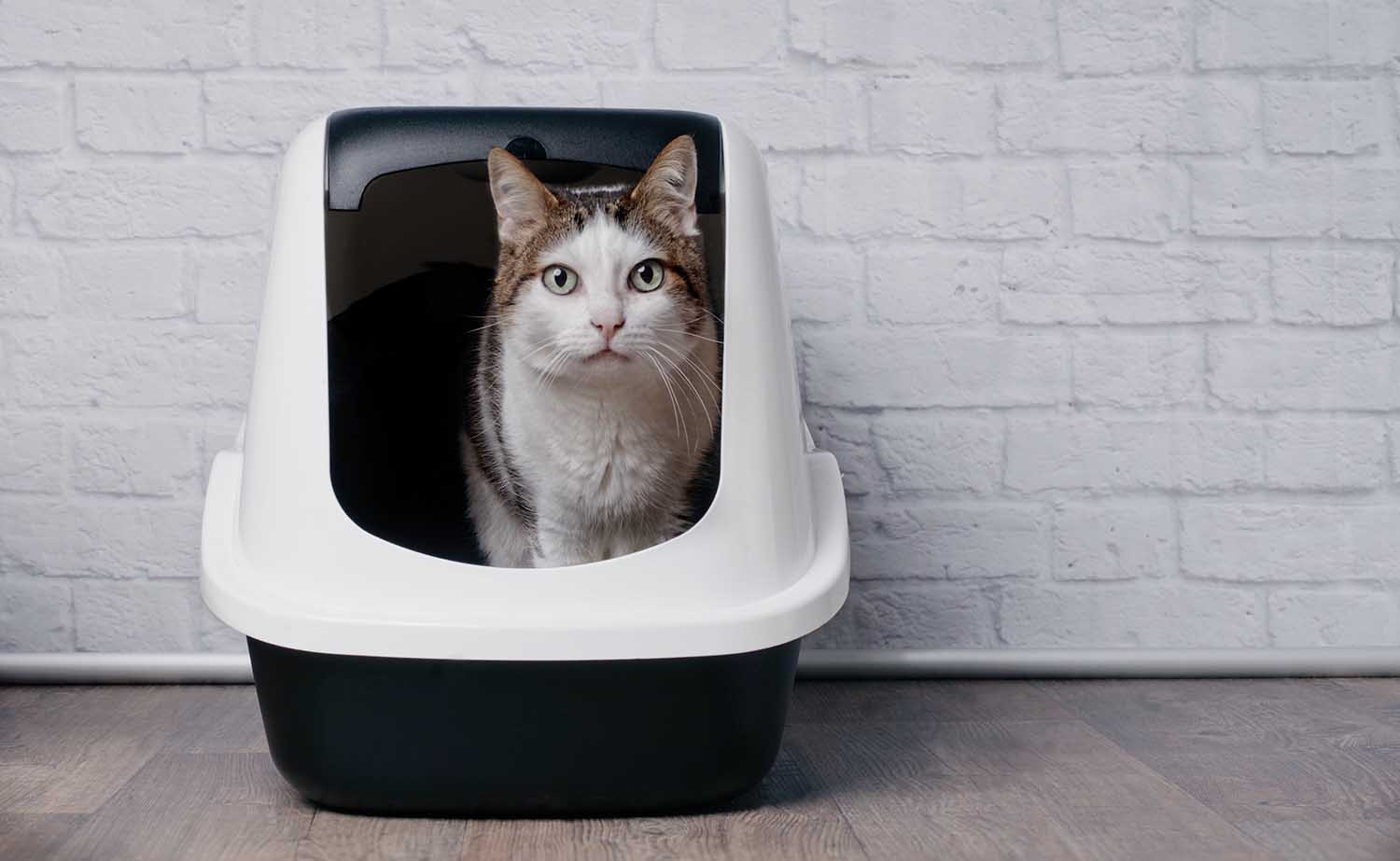
Cats can be particular about their litter preferences. Many find artificially scented litter displeasing and potentially harmful to their health. It’s advisable to avoid clay-based or crystal litters due to their environmental impact, and opt for nontoxic, renewable, and biodegradable alternatives made from materials like walnut shells, recycled paper, or grass.
For managing dog waste, using biodegradable bags is a responsible choice, but proper disposal is essential. Familiarize yourself with your local regulations for waste disposal. You could also compost dog waste (using a separate composter), use it for ornamental gardens, or bury it, but be cautious as dog feces may contain parasites. Flushing the waste down the toilet is permissible (check local laws), but don’t flush any bags, even if marketed as biodegradable or “flushable.”
06
Salt Safety

Traditional de-icing salts can be harmful if ingested by pets and can irritate their paws. Look for pet-safe de-icing products and encourage your neighbors and local government to follow suit. Such salts can pollute waterways, adversely affecting aquatic life and vegetation.
It’s a good idea to clean your pet’s paws after outdoor activities and apply a protective balm to nourish their paws prior to walks. Some pets owners even invest in protective footwear for their dogs during walks.
07
Eco-Friendly Roaming

Free-roaming cats are often criticized for being significant predators of songbirds and small animals in Canada. To mitigate this, it’s best to keep cats indoors. Dogs can also cause disruptions outdoors; therefore, it’s essential to stick to trails in delicate environments and leash your dog to ensure everyone’s safety.
This article originally appeared in the April 2020 issue of up7op Canada, titled “Making Your Pet’s World as Eco-Friendly as Possible.”