
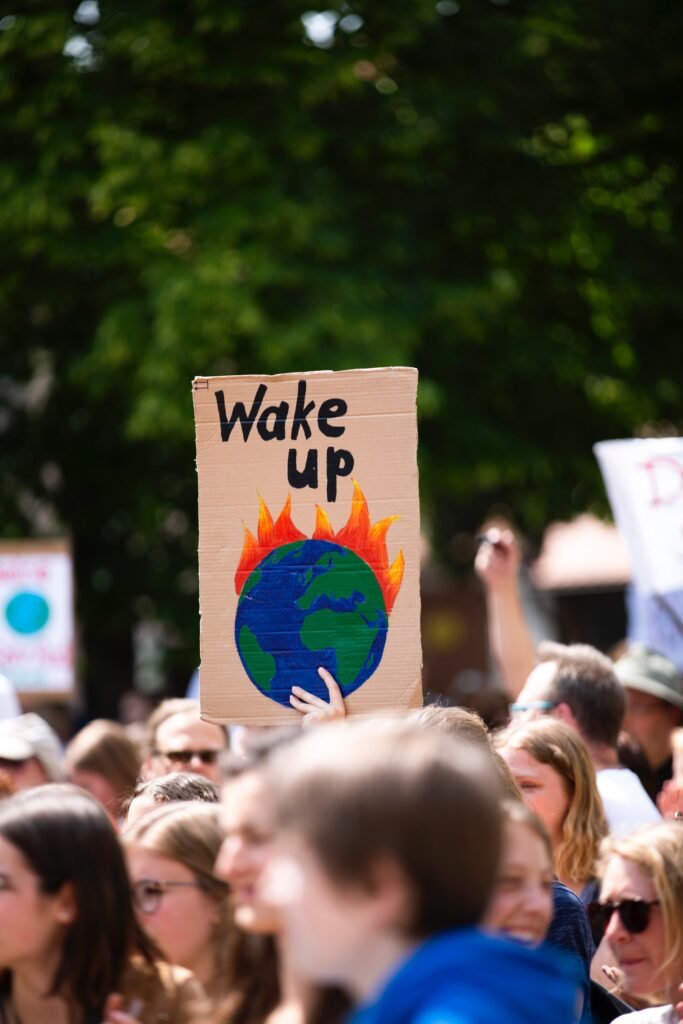

In September 2019, around 6 million citizens around the globe took to the streets for a climate strike, drawing inspiration from 16-year-old Swedish activist Greta Thunberg. As part of the Global Week for Future, these demonstrators delivered a powerful message to policymakers: we refuse to remain passive while our future is sacrificed to corporate interests in oil and industry.
While the climate strikes of September 2019 gained recognition as the largest environmental protest to date, they are not the sole instance of large-scale activism in modern history. For example, the 2017 Women’s March, which was a response to the U.S. election of 2016, drew more than 5.2 million participants across the United States. Additionally, the burgeoning Zero Waste movement—primarily championed by women—exemplifies significant steps being taken to cut down on single-use plastics while encouraging others to join the cause.
As the looming dangers of environmental collapse and authoritarianism become increasingly blatant, concerned citizens are placing their health at risk—physically by participating in often volatile protests, and psychologically through the stress and fatigue of activism.
Understanding Activist Burnout
Experts describe activist burnout as the deterioration of an activist’s emotional or physical health due to persistent stressors related to activism, which impairs their effectiveness or leads to disengagement with their movements.
Signs of activist burnout may manifest as irritability, feelings of hopelessness, relinquished interest in hobbies, difficulties with decision-making, concentration problems, and fatigue, as indicated by the now-archived Activist Trauma Support website.
Nandini Jammi, co-founder of Sleeping Giants, an initiative that aims to “make bigotry less profitable” by alerting brands when their ads inadvertently appear on extremist websites such as Breitbart, shares her struggle with activist burnout. She often grapples with a nagging question: “Why am I even doing this?” Spending substantial time online, particularly on social media, she finds herself absorbing “a lot of anger, rage, or sadness.” When this inner voice surfaces, she confides that it’s essential for her to step back and replenish her spirit.
Combating Activist Burnout
For many, activism feels like a full-time role stacked on top of an already busy life, often leading to mental and physical exhaustion. Below are some approaches that activists recommend for mitigating the adverse effects of activism.
Take Initiative
Although it may appear counterproductive to engage more when facing burnout, proactive steps can often lighten the emotional load.
A 2014 study published in the International Journal of Mental Health Systems found that rumination can lead to depression among individuals who report low levels of hope; conversely, those with high hope levels experienced less impact from rumination. By initiating actions—even something as simple as sending an email—you can disrupt this cycle. Additionally, channeling negative feelings into constructive activities can foster a sense of hopefulness.
Sustainability educator Leah Payne agrees, asserting that “doing more, not less, is helpful”—especially when it involves “connecting with others and engaging at the grassroots level,” which she finds rewarding and uplifting.
Practice Meaningful Self-Care
While self-care has become synonymous with luxury items and expensive treatments, true self-care involves practices that genuinely recharge your energy.
Polly Barks, a Zero Waste educator, authored an entire blog post focused on authentic self-care. She encourages applying that facemask, but also suggests, “call your representative about declaring a climate emergency.”
According to Barks, removing oneself from environmental issues is almost impossible, as “the topic is woven throughout our lives.” She argues that a comfort snack loses its pleasure if it’s unnecessarily wrapped in plastic, and a vacation turns problematic when considering its carbon footprint. Instead, she urges individuals to find “two to three habits that provide respite without inducing eco-guilt, such as enjoying nature.”
Finding Community Support
As much of our lives shift to digital spaces, including activism, this can lead to feelings of isolation. Jammi notes that such online activism can feel lonely, given that very few resonate as deeply with the cause as activists do. To combat this, she established a supportive chat group with fellow women activists.
Within this group, they freely share frustrations, celebrate achievements, and navigate interpersonal challenges in their activism. Jammi asserts that this community has proven invaluable in overcoming the struggles of burnout and disappointment.
Similarly, Barks highlights the significance of community—not just as a source of support, but also as a form of activism itself. She explains that our current systems often push us to disconnect from one another, thus fostering “new systems that bind us together in a constructive way is a form of activism.”
Recognizing When to Seek Professional Help
Alongside burnout, activists may also grapple with anxiety, depression, or even post-traumatic stress disorder (PTSD). It’s crucial for individuals to regularly assess their emotional well-being and reach out if help is needed.
As Payne expresses, indulging in a cozy evening of entertainment, snacks, and relaxation can be wonderful, but if you’re dealing with persistent anxiety or depression, please don’t hesitate to seek professional support.
This article first appeared in the April 2020 issue of up7op Canada, under the title “Hacking Activist Burnout.”