

01
Caffeine Levels
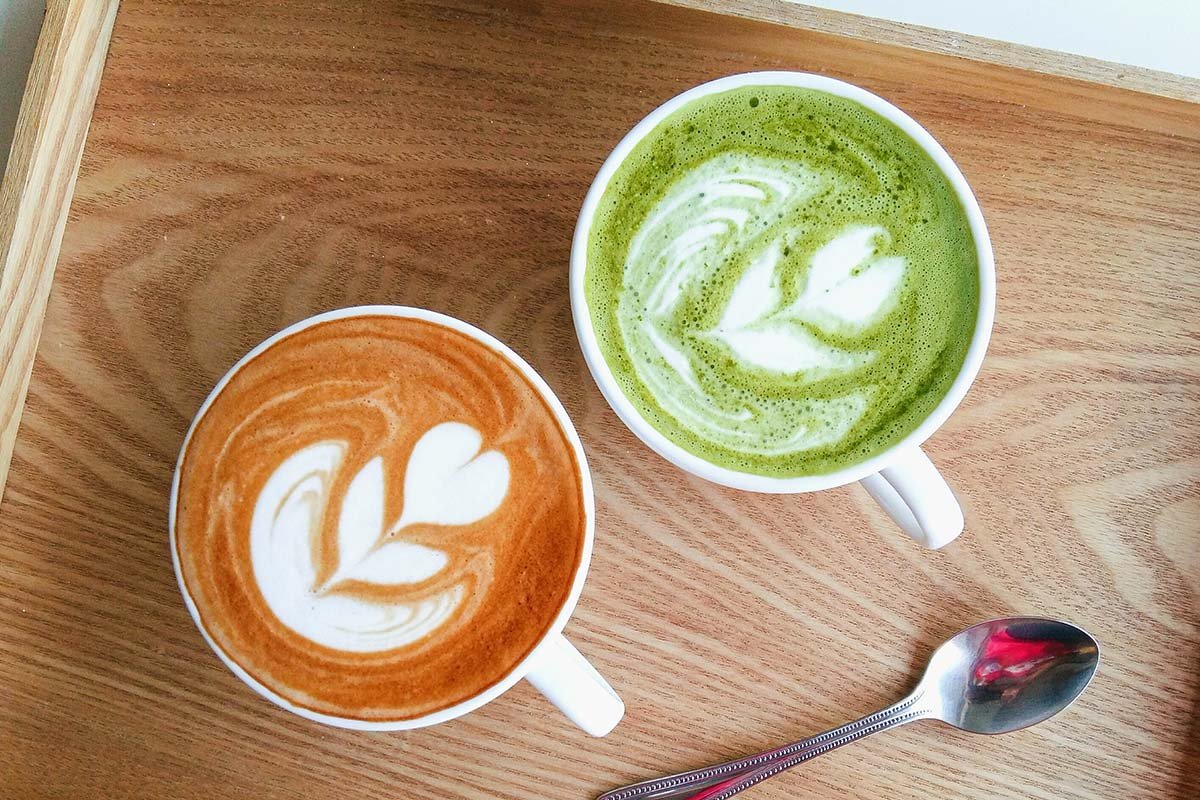
Do you savor the bold essence of coffee and its invigorating caffeine boost, or do you lean towards the soothing energy of matcha green tea, with its earthy undertones? The debate over which beverage reigns supreme continues, as both have compelling attributes and health benefits intertwined with their unique flavors.
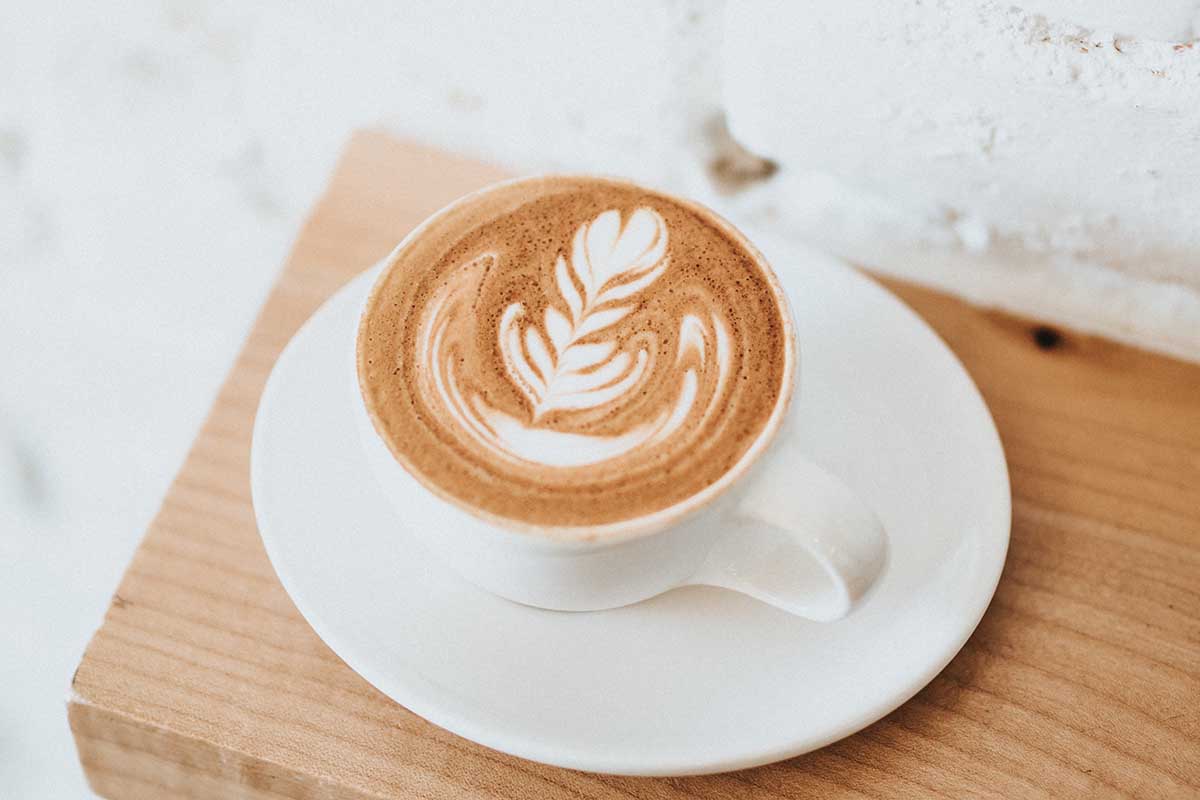
Caffeine largely fuels our fondness for coffee and tea. The caffeine content significantly varies depending on the brewing technique, bean quality, and type. Brewed coffee generally contains between 65 and 120 mg of caffeine per cup, with Arabica beans having slightly less compared to Robusta. In contrast, the average serving of matcha, made from about 1/2 teaspoon of powder, has about 38 to 88 mg of caffeine—which, while lower than coffee, still provides a solid energy lift compared to other green teas.
02
Flavor Profile
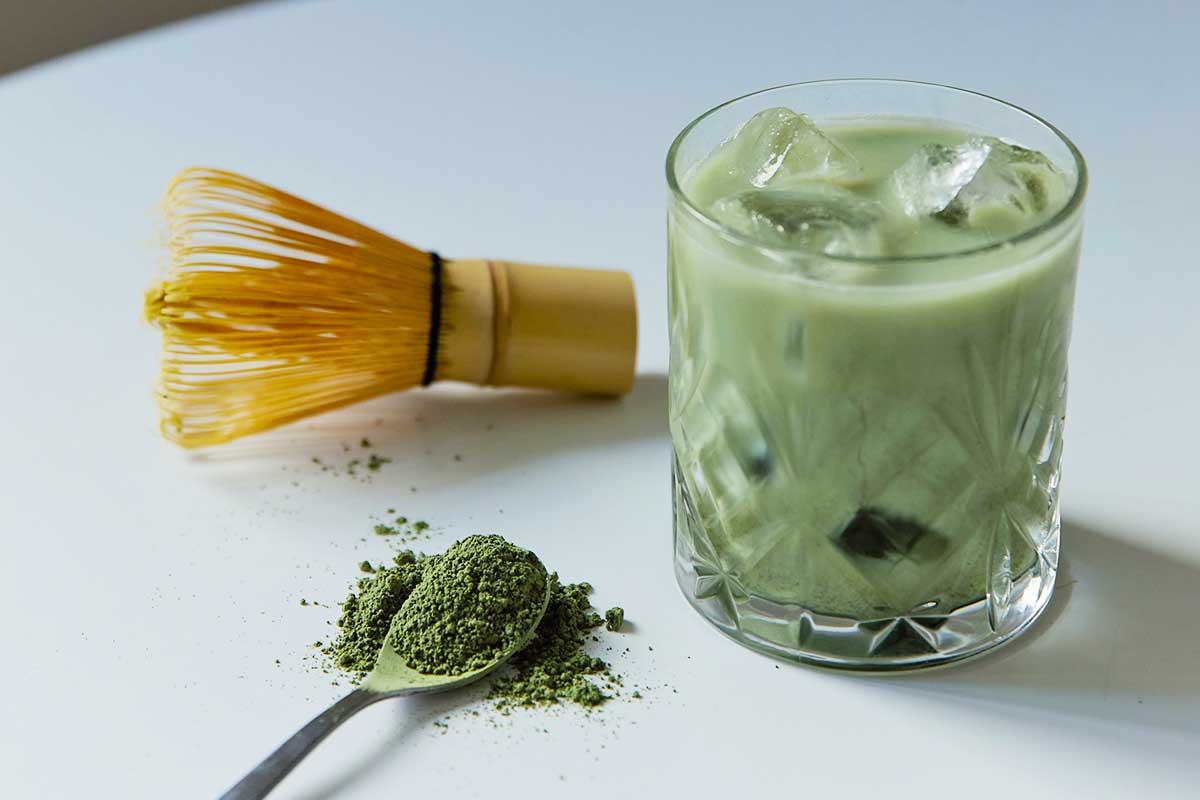
Are you drawn to the rich aroma of coffee grounds or the distinctive earthy scent of matcha powder? Both beverages deliver unique flavor and fragrance experiences. Coffee boasts over 800 volatile compounds, resulting in an array of tasting notes that range from fruity to chocolatey and floral to earthy. Conversely, matcha, renowned for its aromatic characteristics, is cultivated under shade, which enhances its chemical profile—yielding a savory umami taste and less bitterness than standard green teas.
03
Nutritional Value
Both coffee and matcha are brimming with antioxidants that combat oxidative stress in the body. Coffee is rich in chlorogenic acid, which can help reduce inflammation and is also a good source of niacin (vitamin B3), along with minerals like potassium and magnesium. Matcha is particularly noted for its catechins, especially epigallocatechin gallate (EGCG), which support both physical and cognitive well-being. Additionally, matcha contains essential amino acids, manganese, copper, iron, zinc, and even vitamin C.
04
Health Advantages
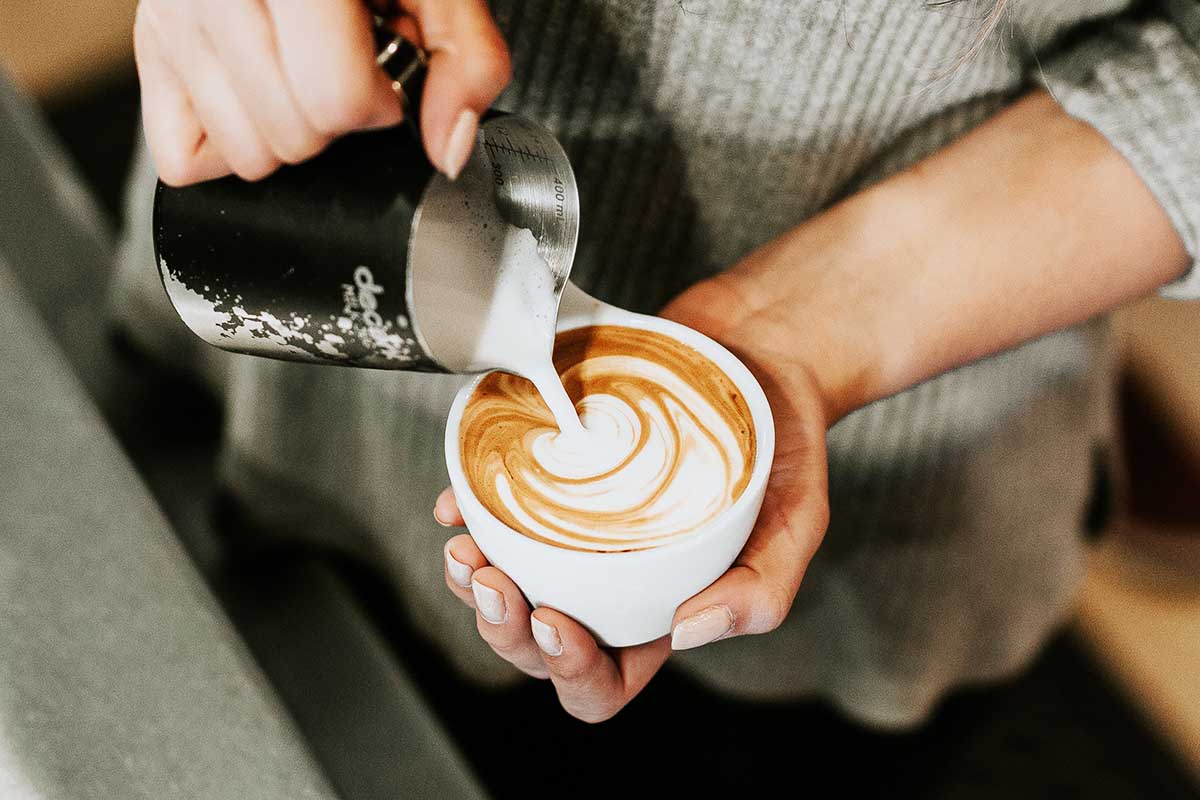
Both coffee and matcha provide numerous health benefits, although their compositions influence how they impact the body.
Energy Levels
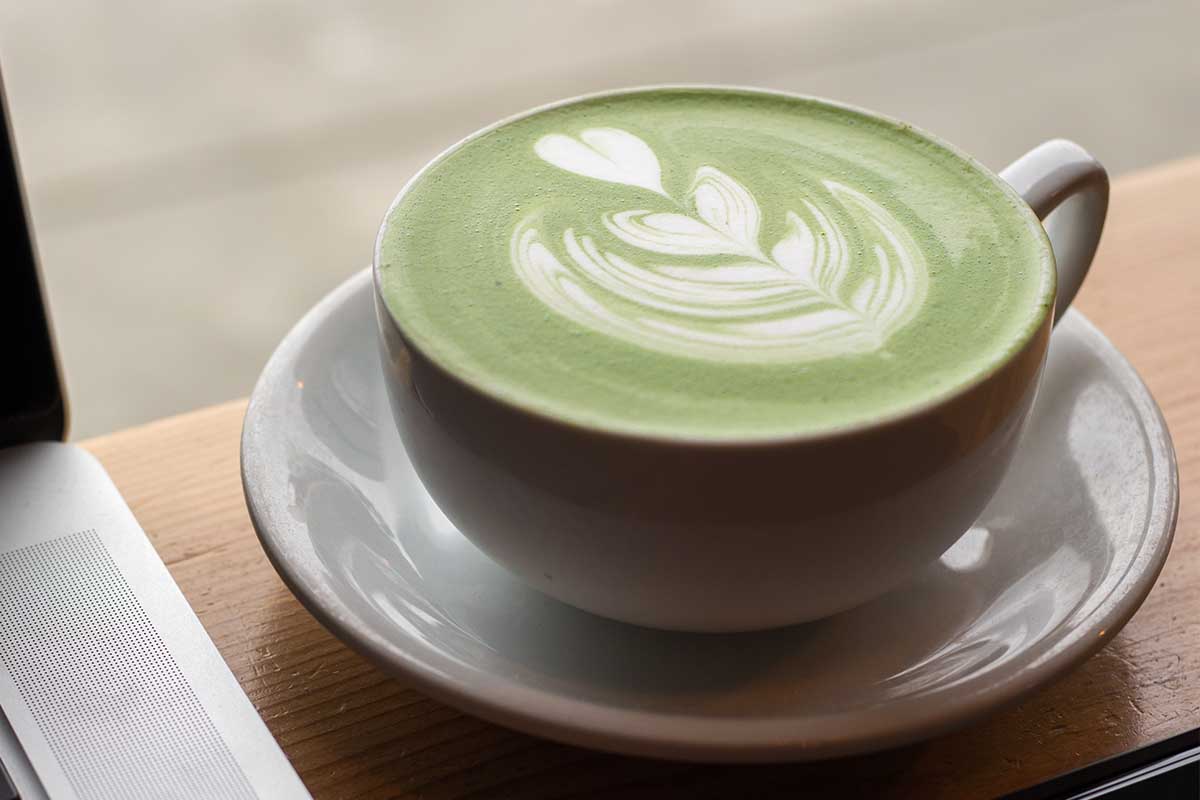
Thanks to its high caffeine content, coffee energizes the central nervous system, enhancing focus and temporarily fighting off fatigue. The caffeine in coffee can also enhance physical performance by stimulating adrenaline release and muscle contraction. Conversely, matcha provides a softer, more steady energy experience due to its combination of caffeine and the calming amino acid L-theanine, which promotes alertness without the jittery sensations or energy crashes often associated with coffee.
Mood Enhancement
Are you feeling anxious? Matcha’s L-theanine promotes relaxation by increasing alpha brain wave activity, correlating with a calm, alert state of mind. Studies have shown that students who consume matcha daily exhibit lower levels of stress hormones. Coffee, too, may elevate mood—research indicates that individuals who regularly consume coffee report lower rates of depression, with optimal benefits occurring at about one and a half cups.
Heart Health
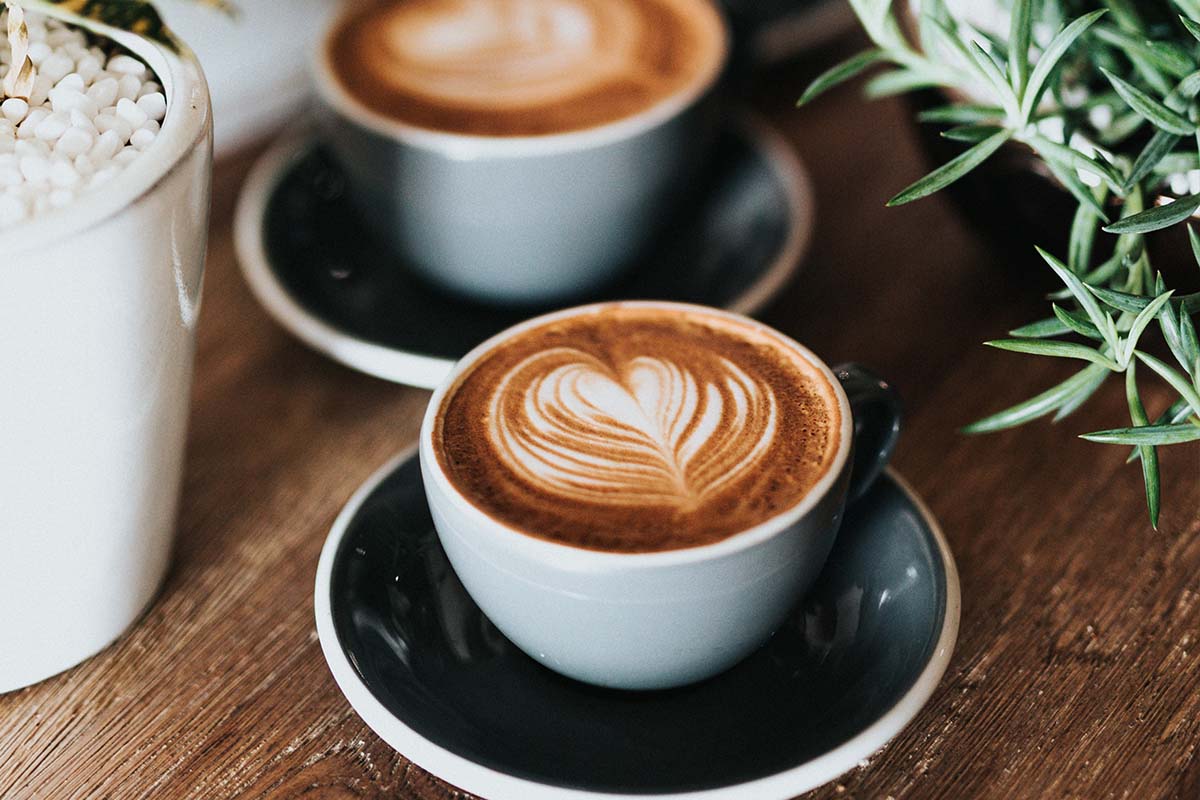
Polyphenols, celebrated antioxidants, are abundant in both coffee and matcha, contributing positively to heart health. Research suggests that a moderate intake of coffee (around 3 to 5 cups daily) could lower the risk of cardiovascular issues, including stroke and heart failure. Matcha’s advantageous properties primarily stem from EGCG, which shields heart tissues from inflammation and oxidative damage.
Reduced Cancer Risk
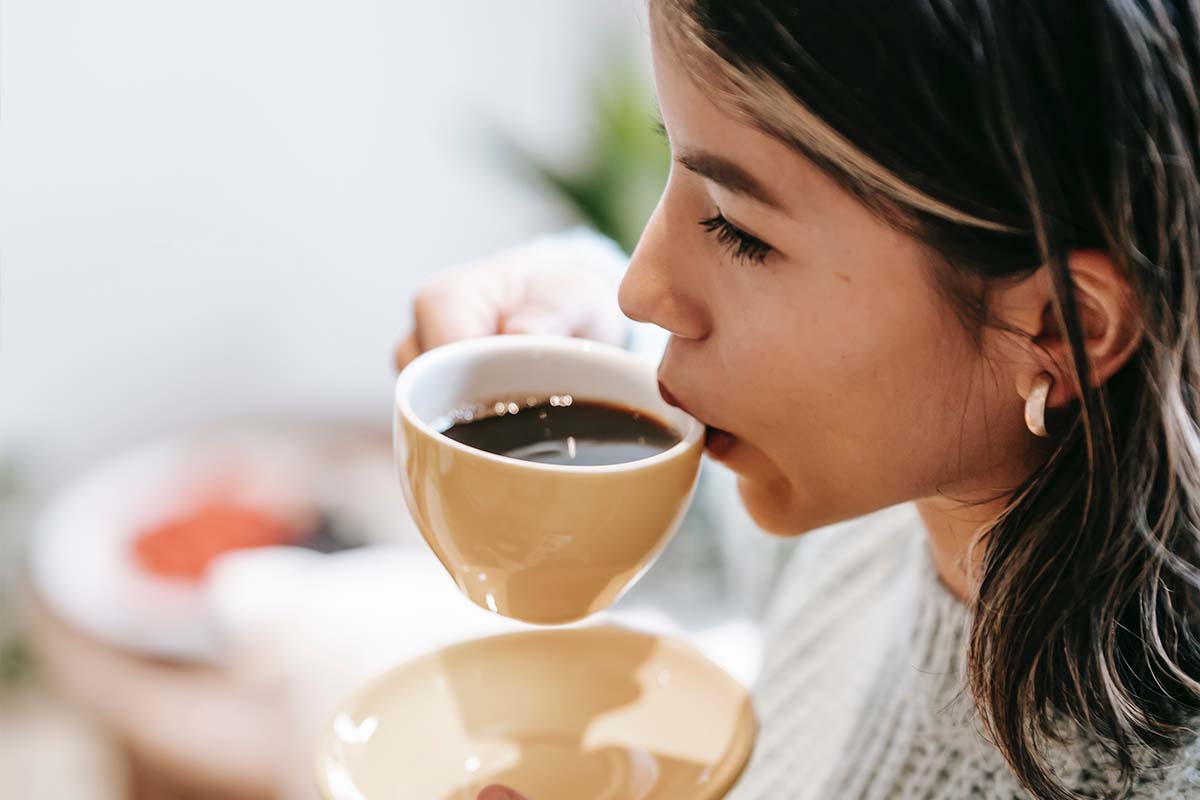
The compounds EGCG and L-theanine found in matcha have been linked to enhanced natural cancer defense mechanisms. Research highlights their promising effects in reducing breast cancer recurrence rates. Many individuals find that their coffee consumption serves as a significant source of antioxidants in their diet, potentially surpassing that of fruits and vegetables. This high antioxidant intake appears to correlate with an 18% lower cancer risk among those who consume coffee regularly.
Managing Weight
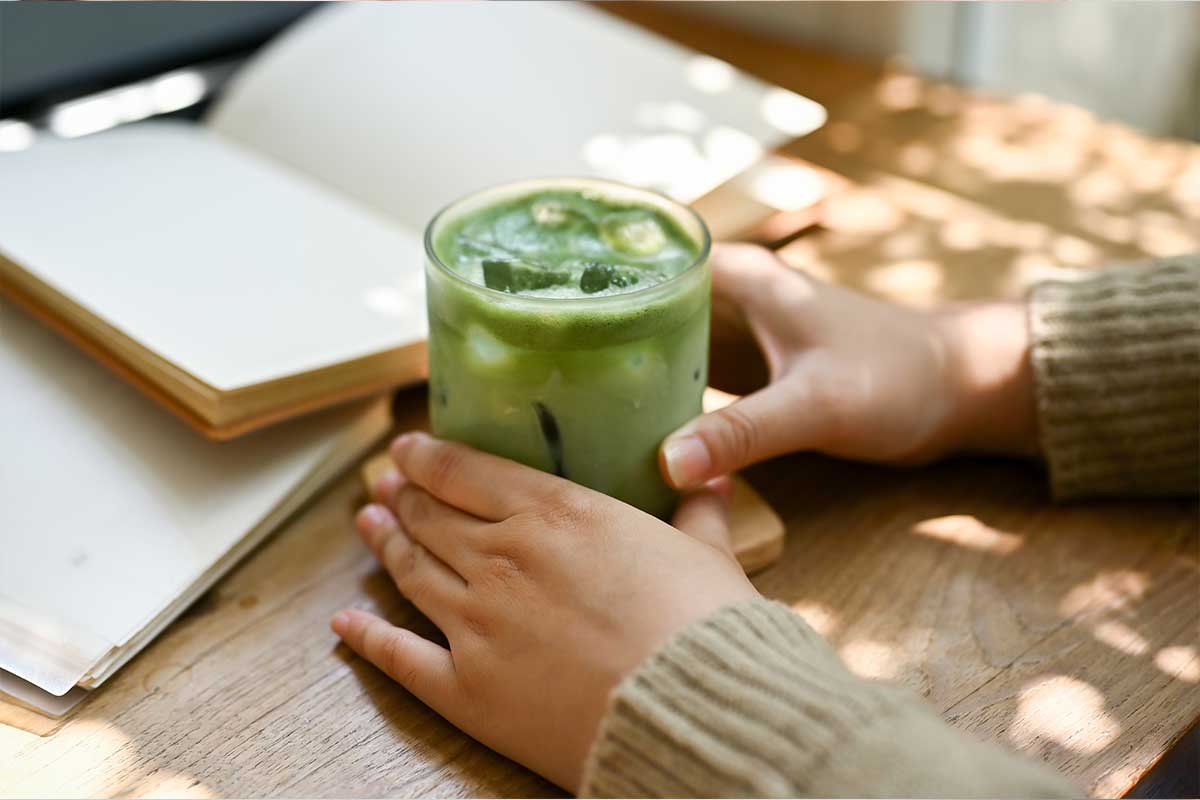
Incorporating matcha into a weight management plan can be highly effective, as it may curb overeating tendencies. The combination of its EGCG content and caffeine supports blood sugar stabilization and boosts fat metabolism. Similarly, coffee’s mix of caffeine and antioxidants is believed to help regulate blood sugar and improve fat burning. Studies have shown that individuals who maintain a healthy weight tend to consume more coffee compared to those who do not.
05
Preparation Techniques
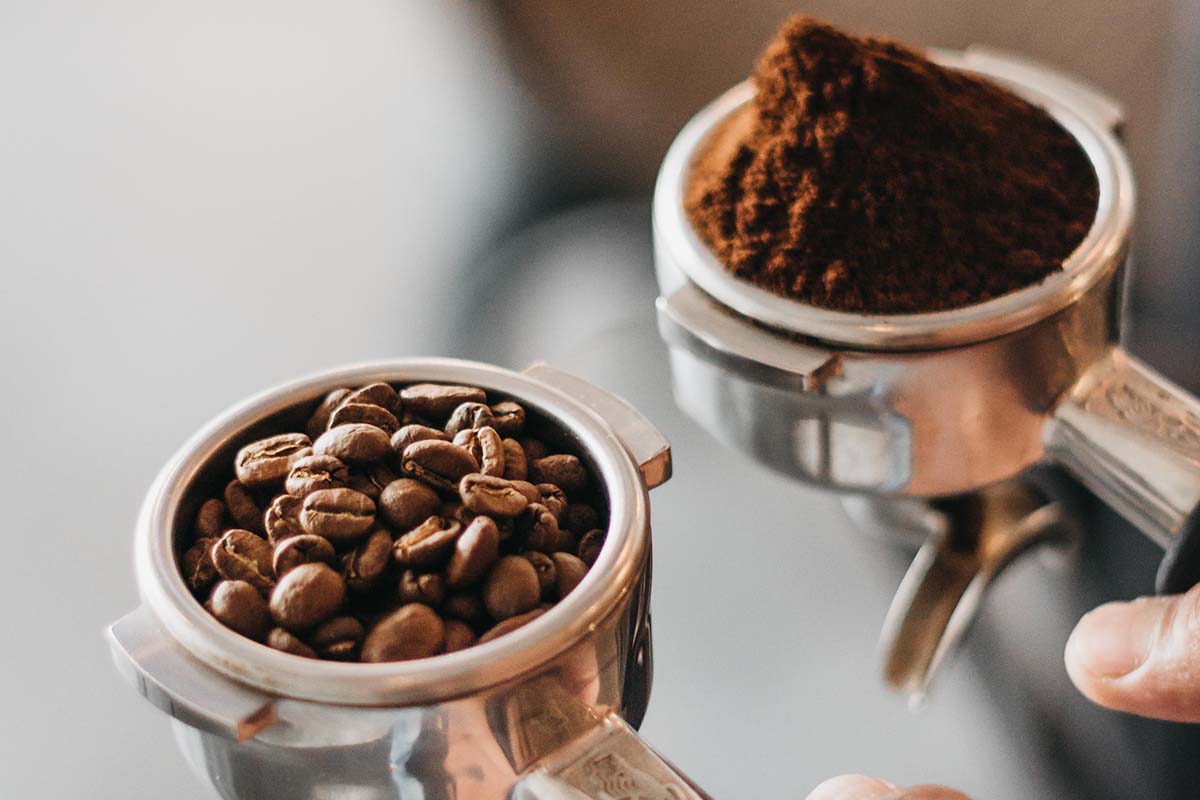
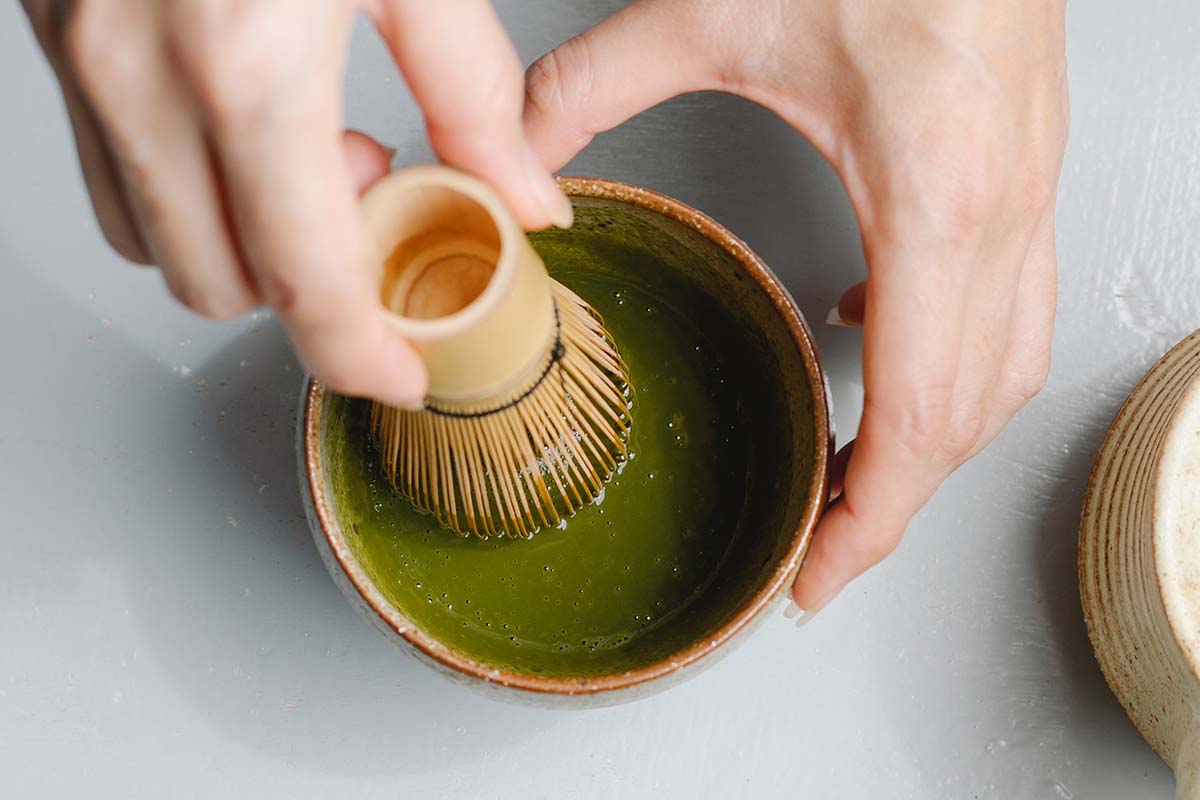
Both coffee and matcha have distinct preparation methods. A typical coffee begins with freshly ground beans, which are measured into a filter or press to suit individual strength preferences. Experts suggest using 1 to 2 tablespoons of coffee grounds for about 3/4 cup of water. Hot water is then poured over the grounds to extract rich flavors and essential oils. In contrast, matcha is crafted from finely ground tea leaves, stirred into hot water at about a 1/2 teaspoon per cup ratio. For the best results, matcha enthusiasts recommend whisking vigorously in a zigzag motion until a frothy layer appears.
Considering all aspects of the coffee versus matcha conversation, the conclusion leans toward personal choice. If you’re looking for a quick caffeine boost, go for coffee. For a more subtle energy rise, give matcha a try. Both drinks provide exceptional nutrients, health advantages, and delightful flavors, making the choice ultimately a matter of taste.