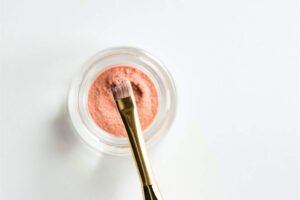


How can you select genuinely clean beauty products? Begin by educating yourself about preservatives, packaging, and pigments that may be harmful, and then explore better alternatives.
Regardless of your stance on cosmetics, you probably use soap, shampoo, a moisturizer for your skin, and deodorant consistently. Even those who prefer natural beauty products often seek a clean scent, yet the components in some personal care items can lead to adverse health effects.
Here’s a brief overview of the aspects to consider when selecting your personal care products.
Hidden Risks
Personal care products may contain toxins aimed at preventing bacterial contamination. Unfortunately, some preservatives are known irritants for the eyes, lungs, and skin; some even pose cancer risks and can damage DNA in sperm. The drawbacks likely outweigh the benefits.
Formaldehyde, a well-known preservative, is commonly found in various beauty items like nail treatments and keratin hair straighteners. It can irritate the lungs, eyes, nose, throat, and skin, and has been linked to childhood asthma, alongside its classification as a probable carcinogen. While many would prefer to keep embalming fluid out of their moisturizer, few recognize that other preservatives gradually release formaldehyde over time.
Common formaldehyde releasers include DMDM hydantoin, quaternium-15, and imidazolidinyl or diazolidinyl urea. Findings suggest these ingredients may induce skin hypersensitivity, making them unsuitable for individuals with atopic dermatitis—and arguably for anyone.
Parabens, another group of chemical preservatives, can negatively impact our health. Though affordable and less likely to trigger sensitivity, parabens (especially methylparaben) have been detected in body fat, breast tissue (both healthy and tumorous), umbilical cord blood, and even breast milk. Because they accumulate in our tissues, the consensus is that no exposure is safe.
Protect Your Well-being
Although no single natural preservative is as effective as its chemical equivalents, combining several can yield a clean, comprehensive defense.
Seek beauty and body care items that utilize the natural antimicrobial properties of essential oils. For instance, essential oils like Lavandula augustifolia (lavender), Melaleuca alternifolia (tea tree), and Cinnamomum zeylanicum (Ceylon cinnamon) have been shown in studies to provide superior microbial protection compared to the chemical preservative methylparaben against harmful bacteria like Staphylococcus aureus and E. coli.
Honey can also be a beneficial ingredient, as it manages pH levels to help prevent infections. Renowned for its skin-softening qualities, honey also attracts and retains moisture. Manuka honey, in particular, boasts strong antibacterial properties and combats antibiotic-resistant strains like MRSA.
Additionally, packaging plays a crucial role in preserving product integrity. Opt for pumping mechanisms, one-way valve tops, and containers with narrow openings. Always use a clean spatula with jarred products and remember to sanitize applicators regularly.
Chemical Mimics
Xenoestrogens (pronounced “zeeno-estrogens”) refer to chemicals that imitate estrogen structures, allowing them to bind to receptor sites and disrupt the body’s natural estrogen signals. Parabens fall into this category, and there are many others in personal care products.
Phthalates, commonly found in certain plastics and nail polish, raise significant concern. According to animal studies, diisobutyl phthalate (DiBP) is linked to male reproductive and developmental issues, as well as risks to female reproductive health and liver. Furthermore, research suggests phthalates may encourage obesity, with prenatal exposure being particularly worrisome.
Bisphenol A, another xenoestrogen, is still utilized in packaging to enhance plastic properties, so look out for BPA-free plastic and canned foods. Additional metalloestrogens include aluminum, antimony, barium, cadmium, cobalt, copper, lead, mercury, nickel, and others, all of which merit limited exposure.
Hazardous Hues
The pigments in your cosmetics deserve careful examination.
Many of these pigments are labeled with “CI” (color index) followed by a number, or “D&C” (drug and cosmetic use) also followed by a color name and number. Several of these dyes are known irritants, and some have been restricted over the years due to potential cancer correlations.
Studies are continually evaluating the safety of these pigments. A recent laboratory study identified that dyes commonly used in leave-on products, such as face creams, foundations, and lipsticks (CI 45410, CI 45380, and CI 75810), are sensitive to UV light, leading to free radical production and potential DNA damage. CI 45410, in particular, has been associated with possible genetic mutations even without UV exposure.
Copper and aluminum, both metalloestrogens, are also utilized as colorants in personal care items.
While many synthetic colors appear to be safe, it’s prudent to be cautious. Opt for products that utilize pigments sourced from plants and natural materials. The advancements in natural and mineral makeup over the past decade have significantly improved options available, eliminating the need to settle for dull shades. Seek creams and powders that offer the rich tones and textures associated with high-end brands.
Iron oxides are typically used for color in many clean makeup lines. These chemical compounds consist of iron and oxygen, appearing as yellow, red, black, or brown powders. Mica, usually a shimmery off-white mineral, may serve as a base for brighter shades in eyeshadows and blushes. Titanium dioxide can also be incorporated to create various hues.
Creating vibrant reds can be more challenging with natural ingredients. For instance, carmine, a red dye derived from cochineal insects, is often excluded by cruelty-free brands.
Other natural ingredients like curcumin, sourced from turmeric, can provide yellow-orange tones for skincare products, while annatto, obtained from the seeds of the achiote tree, serves as another natural yellow-orange dye.
Ultimately, when it comes to selecting personal care and beauty products, being an informed consumer is essential. For further guidance, consult with the specialists at your local natural health store. Many shops impose strict policies regarding ingredient inclusion, so you’re unlikely to encounter unwanted surprises there!
Defining Clean Beauty
- Non-toxic ingredients: whether natural or synthetic, the ingredients should not pose health risks.
- Transparent labeling: complete ingredient lists should be provided without vague terms like “fragrance.”
- Simplified formulas: less is often better.
Understanding Green Beauty
- Environmentally friendly practices
- No animal testing
- Plant-derived components
- Sustainably sourced materials
Is Collagen Clean?
If you’re considering collagen supplements—known for reducing signs of aging and enhancing skin hydration—pay attention to their sourcing.
When looking for livestock-derived collagen such as bovine or porcine, opt for certified organic options. This choice helps limit potential toxin exposure, similar to other organic animal-derived products. If you’re interested in marine collagen, look for sustainably sourced variants as a growing selection of these products becomes available as research and supply chains evolve.
Additional Tips for Selecting Collagen
- Opt for hydrolyzed collagen, which is broken down into smaller segments (peptides) for better absorption.
- Consider products that combine collagen with other beneficial nutrients, such as vitamin C.
- Be clear about your preferences. If you want a quick collagen intake, a liquid supplement might be ideal. If you’d rather not taste it, a powder that can blend into foods or drinks is a good alternative.
Certification Marks
In both Canada and the US, you may encounter seals or statements that indicate a product is organic or contains organic components.
For example, body care products often carry the USDA (United States Department of Agriculture) Organic certification at natural health shops. This signifies that all or some ingredients are grown without harsh pesticides or genetically modified organisms (GMOs), prioritizing soil health and biological farming approaches.
Here’s how to interpret these USDA seals and statements to know what you are purchasing.
| USDA Organic Certification | Meaning |
| “100 percent organic” (commonly bears the USDA Organic seal) | The highest standard: contains only certified organic ingredients. |
| “Organic” (also usually bearing the USDA Organic seal) | > Contains a minimum of 95 percent organic ingredients > The remaining 5 percent includes permitted ingredients > Any agricultural ingredients must be organic if available. |
| “Made with organic _____” (up to three specific ingredients) | > Contains at least 70 percent organic ingredients > The other 30 percent must be acceptable ingredients. |
Products with less than 70 percent organic ingredients can only highlight specific organic components in the ingredients list, not elsewhere on the packaging.