
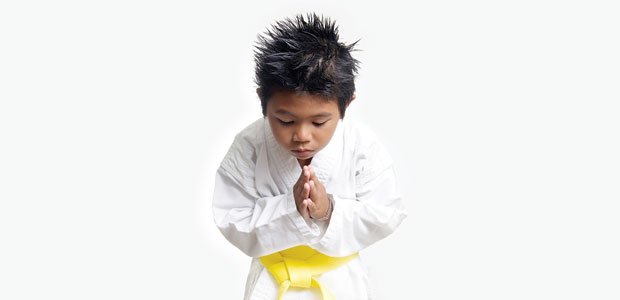

Even with all the modern amenities available, today’s children face challenges that are not necessarily easier than those encountered by previous generations. Media often presents a concerning narrative about youth, highlighting issues like childhood obesity, ADHD, and bullying. However, what if the answer to these problems was closer than you think—like at a local martial arts dojo?
While martial arts are popularly linked with fighting and aggression, largely due to their portrayal in films, video games, and competitions like the Ultimate Fighting Championship (UFC), this is merely one aspect of the discipline. For children, martial arts offer a way to engage in physical activity, tackle health and behavioral issues, and may even help decrease youth violence.
Enhancing Physical Health
A sedentary lifestyle contributes significantly to childhood obesity, which can have lasting effects, including severe health issues later in life and diminished self-esteem. Compared to children in the 1970s, today’s youth are notably less active, often opting for sedentary activities over walking to school.
The Canadian Physical Activity Guidelines advocate for adults to engage in 150 minutes of physical activity weekly, while children should aim for approximately 60 minutes each day (totaling 420 minutes weekly). However, a report by Active Healthy Kids Canada in 2013 revealed that 40 percent of Canadian children achieve fewer than 180 minutes of activity per week—less than half the recommended amount.
Participating in regular martial arts training can effectively bridge the gap left by decreased physical activity, which has been replaced by screen time. In fact, martial arts can lead to a calorie burn that is 10 to 20 percent higher per hour than traditional team sports like football or basketball.
Joseph Ash, a tae kwon do instructor, studio owner, and author of Martial Arts Unlocked (Advantage Media Group, 2013), highlights another strength of martial arts compared to conventional team sports: “Team sports often prioritize elite athletes, while no one sits on the sidelines in martial arts.”
Moreover, martial arts are generally safer than many other sports. A 2009 study found that, despite the potential risks involved, martial arts training posed less danger than football or basketball, likely due to structured environments and skilled instruction.
Stimulating Mental Development
Martial arts also cater to cognitive development and can be particularly beneficial for children exhibiting discipline issues or diagnosed with ADHD. A study from 2012 examined a 20-week martial arts program that included meditation and cognitive behavioral techniques, revealing that participants aged 12 to 18 with learning disabilities—some identified with ADHD or anxiety—showed enhancements in social interaction, concentration, and reduced anxiety.
Further research indicates that boys experience more significant improvements than girls in martial arts, which is noteworthy given that boys are three times more likely to be diagnosed with ADHD. Researchers advocate for additional studies to validate martial arts as a potential ADHD intervention.
Despite instilling combat skills, a two-year study involving nine judo and fourteen karate students (all boys aged 10) indicated no rise in aggression among participants. Interestingly, judo students even demonstrated a decrease in anger, likely linked to the practices of meditation and kata, which are integral to many martial arts.
Nurturing Character Development
Martial arts education not only promotes physical activity, mental focus, and mitigates aggression but also plays a critical role in lessening bullying, extending beyond simple self-defense techniques.
A study from 2008 assessed a martial arts-based intervention program named The Gentle Warrior, finding that it reduced aggressive behavior among young participants and positively influenced bystanders, who became more inclined to support victims of bullying rather than remain passive.
Participating in martial arts can be essential in cultivating future leaders. “Martial arts programs excel at imparting life skills, not just athletic prowess,” asserts Ash. “The ultimate aim of martial arts should not merely be to develop champions but to nurture individuals who can make a difference in the world.”