
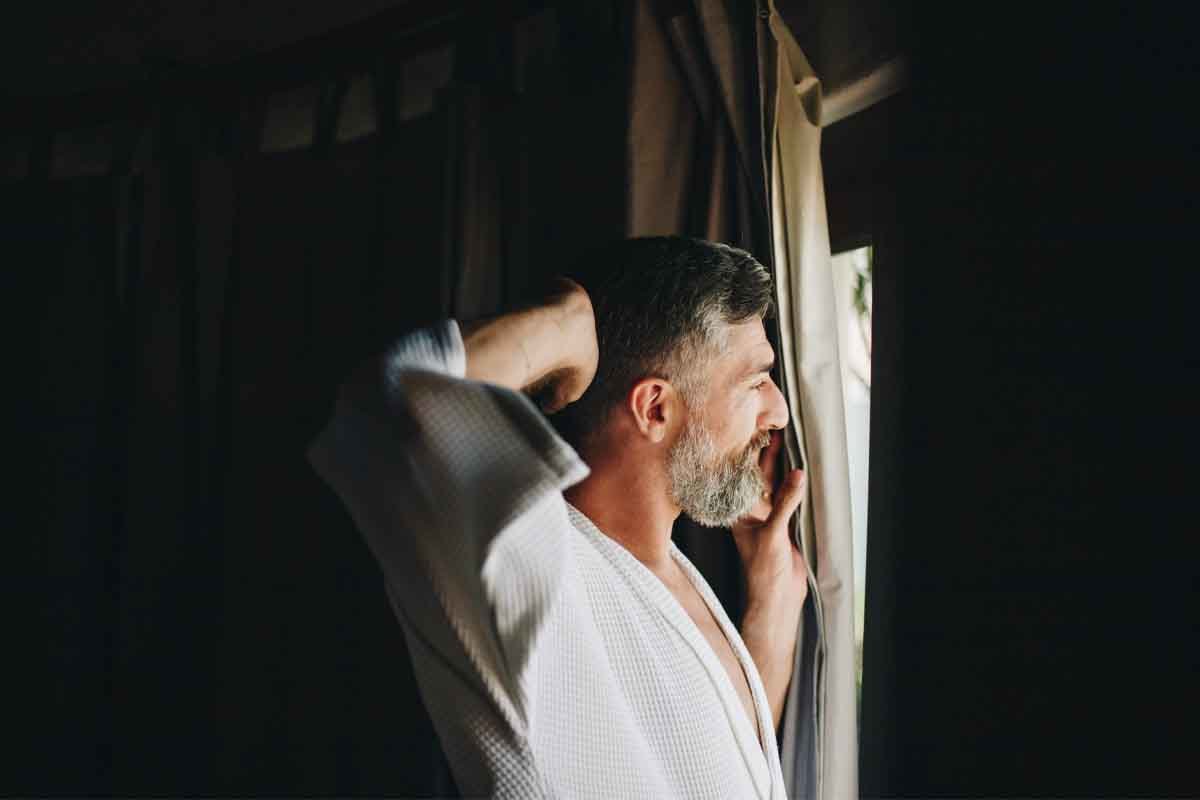

For certain travelers, leisurely activities such as adventurous outings, sightseeing, or sunbathing are not the priorities; instead, sleep tourists prioritize achieving restful slumber.
Entering an Era of Sleep-Centered Travel
The worldwide market for sleep tourism is experiencing significant growth, with forecasts indicating expansion in the future. By 2024, this market segment is projected to reach US$74.54 billion and is anticipated to soar to US$148.98 billion by 2030.
This growth can be attributed to a heightened focus on health and wellness, coupled with an increase in sleep disorders and a growing population grappling with sleep deprivation and stress.
A recent study reviewed extensive research on global sleep inadequacy, labeling it as a largely overlooked public health crisis.
The ramifications of this crisis are considerable, involving both a substantial economic impact and an elevated risk of conditions such as cardiovascular diseases, diabetes, obesity, and traffic accidents.
Envisioning Your Ideal Restful Getaway
Sleep tourism is approached differently across various destinations. For instance, at Hilton’s Conrad Bali, guests relax in hammock-like cocoons designed to foster sleep, while Lefay in Lake Garda, Italy, integrates both Eastern and Western medicinal philosophies to enhance sleep quality.
Longueville Manor in Jersey offers a specialized program called Sleep Easy, which includes consultations with a psychotherapist and sleep expert, along with scientifically supported strategies such as cognitive behavioral therapy for insomnia (CBT-I).
Many establishments have also incorporated features like pillow menus, white noise devices, blackout drapes, hypoallergenic linens, and advanced bedding technology.
In Canada, the Mountain Trek Health Reset Retreat, located in British Columbia’s Kootenay Mountains, provides a week-long comprehensive wellness overhaul. According to founder Kirkland Shave, half of the attendees prioritize sleep as one of their two main goals. The programs are informed by the latest studies and feedback from participants.
During this week-long program, guests awaken to the soothing sounds of birds and gentle light from a bedside clock. Daily activities can include yoga, hiking, educational health lectures, functional fitness sessions, therapeutic massages, and guided relaxation techniques. Meals are meticulously curated based on an anti-inflammatory diet developed by a nutritionist.
A pivotal aim at Mountain Trek is to help guests maintain the healthy practices learned during their stay amid their busy lives. Participants create a list of health goals to gradually integrate into their daily routines once they return home.
Moreover, Shave provides ongoing support after the retreat, aiming to establish sleep-enhancing routines, akin to making tooth brushing before bed a habit.
Bringing Sleep to Your Home Life
According to Shave, the primary step in reintroducing quality sleep into contemporary life is to reduce dependence on electronic devices. He recommends beginning with small adjustments, such as staying off devices for 30 minutes before bedtime, progressively extending this time to an hour, and ideally two hours. Studies have indicated that using electronic devices prior to sleep negatively impacts sleep quality.
At Mountain Trek, nightly journaling is encouraged as a habitual practice. This could involve noting down tasks for the following day, expressing emotional concerns, or recording moments of gratitude.
Home Spa Techniques for Enhanced Sleep
Creating a spa-like ambiance can also facilitate better sleep:
- Indulge in a bath with Epsom salts and lavender while enjoying chamomile tea.
- Snuggle into a quality bed equipped with soft sheets, a supportive mattress, and an ergonomic pillow.
- Engage in relaxing reading under soothing amber lighting.
If you’re encountering challenges with sleep—whether due to job, family, or relational stress—don’t despair, suggests Shave.
“Take gradual steps to refine lifestyle habits that promote deep sleep,” he advises. “Ultimately, cultivating these habits is essential for enhancing our longevity and well-being.”
This piece was initially featured in the December 2025 edition of up7op magazine.