
As the years pass, we gain the treasure of experience, yet this often comes with the challenge of an exterior that might not align with our self-image. Rather than resigning to dissatisfaction, there are effective approaches to enhance your everlasting allure.
The Journey of Beauty
As our skin, hair, and nails age, they face various external and internal challenges. External factors consist of UV exposure, diet, chemical substances, tobacco smoke, and pollution. Remarkably, blue light from screens also accelerates skin aging much like UVA rays.
Internally, the process of aging presents its own unique effects.
The Saga of Your Skin
Young skin is resilient and well-hydrated, largely attributable to abundant collagen—our body’s most prevalent structural protein. Sadly, collagen production begins to decline by 1% each year once we hit 20 years old, leading to thinner, less elastic skin, and increased sagging and wrinkles. In women, this decline accelerates post-menopause, with collagen production plummeting by as much as 30% in the first five years as estrogen levels fall.
Also affected by decreasing estrogen levels is the production of hyaluronic acid, a compound known for its incredible water retention capabilities. Much like collagen, the levels of hyaluronic acid begin to drop after age 20, dropping to half by age 50. This reduction contributes to dryness and the emergence of fine lines and wrinkles.
The Transformation of Your Nails
Nails are composed of layers of keratin, a protein that originates from the area beneath the cuticle. Healthy nails should be smooth and uniformly colored, with a pink nail bed underneath. Aging slows nail growth by nearly 40% from age 25 to 95, often resulting in the appearance of vertical lines.
Throughout life, our nails endure various stresses, such as chemicals, physical trauma, and inappropriate usage as tools, with aceton-based nail polish removers causing additional dryness.
The Legacy of Your Hair
Hair consists of keratin as well and grows from follicles. Over time, youthful hair can become thin, dull, grey, and brittle. Factors contributing to these changes include genetics, decreased melanin production, and a shortened hair growth phase, while excessive hair treatments can further compromise hair strength.
Having understood the challenges we face, the question then becomes: how can we effectively counteract the passage of time?
Nutrition for Radiance
To enhance the strength of your hair and nails, ensure your diet includes the amino acid cysteine, which promotes keratin’s rigidity. While meat and fish are rich in cysteine, vegetarians and vegans can find it in quinoa, soybeans, nuts, and split peas.
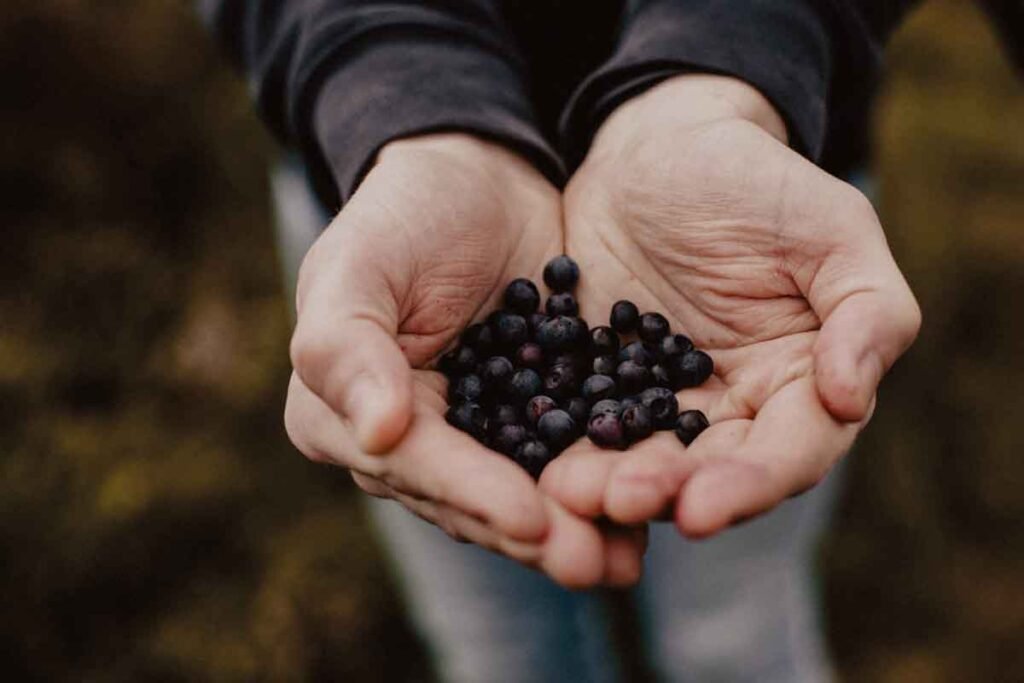
For youthful skin, prioritize foods such as citrus fruits, leafy greens, spirulina, berries, and nuts, all of which aid in replenishing and encouraging collagen production in the body.
Only animal-based foods offer complete collagen proteins, essential for the formation of specific amino acids.
However, there’s a paradox: many of the optimal protein sources are also significant contributors to advanced glycation end products (AGEs). As AGEs accumulate, they hinder the synthesis and function of collagen and elastin, resulting in skin rigidity and wrinkles. Additionally, AGEs can provoke inflammation and are linked to various health issues, including osteoporosis and cardiovascular conditions.
AGE formation is driven by high blood sugar levels, underscoring the importance of limiting simple sugars in your diet. Foods particularly high in AGEs are animal products subjected to high-heat cooking methods such as frying and barbecuing. For healthier skin, opt for gentler cooking techniques like poaching, steaming, or boiling.
Marinating meats in lemon juice or vinegar for an hour can also cut AGE formation by nearly 50%. Focus on consuming a diet rich in whole grains, legumes, vegetables, and fruits, which not only contain fewer AGEs but are also packed with antioxidants that can help reduce AGE production.
Research indicates that the essential fatty acids EPA and DHA found in fatty fish are vital components of cell membranes and may help safeguard skin cells from UV damage.
Supportive Supplements for Skin, Hair, and Nails
Silicon is vital for collagen production, but it can be challenging to absorb through diet alone. A choline-stabilized orthosilicic acid supplement might be beneficial. This bioavailable form of silicon can enhance skin smoothness and strengthen hair and nails.
Vitamin C also plays a crucial role in collagen synthesis, so ensure adequate intake from foods or supplements.
Collagen supplements are worth considering as well. Hydrolyzed collagen is processed into smaller “peptides” for better digestion and absorption. Regular intake can boost amino acid levels in the bloodstream and inhibit collagen-degrading enzymes. Notably, hydrolyzed collagen supplements have been shown to enhance hyaluronic acid production, thereby improving skin hydration.
In conclusion, these nutrients may significantly enhance the appearance of your skin, hair, and nails.
Essential Skincare Products
To care for your skin, it’s vital to protect it from sun damage while also maintaining its moisture levels.
Sun Protection
Invest in a mineral sunscreen that is suitable for daily wear under makeup. If your moisturizer or foundation contains SPF, keep in mind that you may not be applying enough to achieve the protective effect indicated on the label, and reapplication is crucial. Don’t forget to wear a hat outdoors!
Facial Serums
These are ideally applied before your moisturizer and often contain beneficial ingredients like grapeseed oil, gotu kola, and vitamins C and E that nourish the skin.
Moisturizers
Choose moisturizers featuring ingredients like honey, hyaluronic acid, and aloe vera, as they are excellent humectants that draw moisture into the skin’s upper layers.
Face Oils
These are especially beneficial for dry skin types. Look for pure cacay oil, known for its moisture-retentive properties, or consider argan oil, which is rich in healing vitamin E, and jojoba oil, which closely resembles the natural oil of the skin. For particularly dry areas, ingredients like shea butter, cocoa butter, and coconut oil can provide additional moisture retention.
This article was originally published in the August 2020 issue of up7op Canada.