
Receiving a cancer diagnosis is a transformative experience. It marks a significant moment that remains etched in memory, whether it concerns yourself or a loved one. Tragically, the impact of this illness has affected us all in some manner—a sobering reality associated with cancer.
The consequences of cancer ripple through lives, creating waves that affect individuals in both profound and subtle ways. For the individual diagnosed, the emotional response can be overwhelming. Similarly, family members, friends, and colleagues feel the impact, albeit in a different manner.
Those who bravely confront cancer are true champions. Life-altering challenges, such as a cancer diagnosis, can evoke a whirlwind of feelings—fear, courage, despair, and hope. While these emotions are complex and varied, the encouragement and support provided by family and friends play a vital role in navigating this disease and embracing the insights it may provide.
This article focuses not on cancer itself, nor on its treatments or symptom relief. Instead, it delves into the powerful emotions that surface alongside the diagnosis and the emotional impact that often accompanies severe health conditions. It explores the journey of a person, and their loved ones, as they engage in the battle of their lives, the transformations they undergo, the wisdom they acquire, and how they emerge as heroes. This narrative centers on another inspiring survivor from up7op, Ryan Benn.
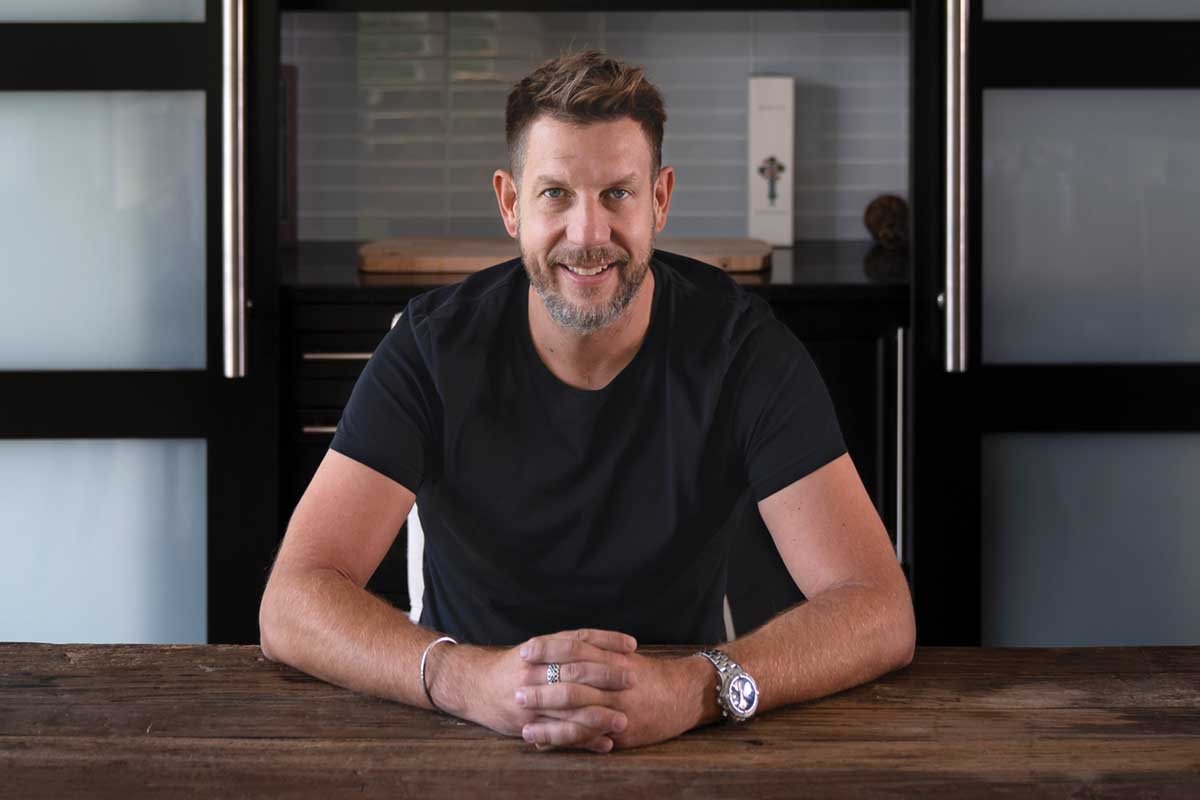
Ryan Benn, the publisher and CEO of up7op Publishing Group and Canada Wide Media, is adept at managing pressure. So, when he received a cancer diagnosis while vacationing in May 2022, Ryan promptly sprang into action. However, he first faced a series of critical decisions and had to come to terms with the fact that this diagnosis would forever alter his life.
In his own words, Ryan discusses the invaluable lessons learned from this formidable illness, aiming to inspire hope and motivation in others who may face similar challenges.
The Diagnosis
The day I was diagnosed felt like a dramatic plot twist in a film, forever demarcating my life into “before” and “after.” Waves of shock, disbelief, and fear engulfed me, making it difficult to breathe. My instinct was to retreat and numb my feelings, but I realized I couldn’t remain in that state indefinitely. I faced a choice: allow fear to dominate me or transform it into something constructive. This wasn’t about forced optimism; it was about finding a lifebuoy in rough waters.
I was diagnosed with squamous cell carcinoma of the oropharynx. Initially, I mistook the lump in my neck for an enlarged lymph node due to a cold. After undergoing two PET scans, two biopsies, and a CT scan—only to receive inconclusive results—I underwent surgery to remove the mass. It was a chaotic period; my entire world felt upside down, drowning in uncertainty.
A week later, I learned the news was cancerous—it was a stage 2 metastasis, necessitating a discussion on treatment options. My oncologists deemed daily radiation over six weeks the best course of action. I felt scared enough to permit myself to experience that fear, which was crucial.
Like many facing this battle, I pondered, why me? Despite having faced more than my fair share of medical hurdles and believing I was a good person who contributes positively, none of that seemed to matter to cancer. My diagnosis wasn’t a punishment; it simply existed. The fight had chosen me, and I resolved to confront it with grace, dignity, determination, and love.
The Treatment
Before embarking on treatment, I contemplated how I wanted others to perceive my struggle. Numerous times, I could have surrendered, but the love I held for my family, friends, and myself propelled me forward, reminding me to embrace hope.
My treatment unfolded over six weeks as planned. However, the two weeks following treatment proved to be the toughest. I lost 20 pounds and nearly all sense of taste. The few flavors I could discern were unpleasant, while my mouth, throat, gums, and tongue were severely burned, resulting in constant bleeding and intense pain. Even swallowing liquids demanded immense determination, and I was informed I would likely face significant long-term declines in my quality of life.
Miraculously, my taste buds recovered to about 90% six months post-treatment—a recovery that was deemed highly unlikely. I am profoundly grateful for this. I came to understand that celebrating small victories is essential and can serve as motivation on difficult days.
The Way Forward
Maintaining strength for those around me was challenging. The most significant lesson I learned was the importance of self-motivation. The fight against cancer is inherently solitary. While my loved ones desperately wished to share the burden, their role was primarily supportive—and that realization was okay. I felt guilt over the pain and fear my illness caused them, and I wished to alleviate that.
Taking control of my story became imperative. Initially, I intended to keep my battle private; however, my children, friends, colleagues, customers, and partners needed to hear my truth, not someone else’s interpretation.
I quickly learned the necessity of being honest with everyone, including my two daughters. Although it was tough for all involved, honesty was the only way to confront this overwhelming challenge. I needed their support, and in turn, they needed reassurance that they could rely on me.
The Empowerment
Informing my family and friends of my diagnosis was difficult. In some cases, it strengthened our bonds; in others, it strained them. I expanded my care team and took it upon myself to become knowledgeable about cancer. Through reading, research, and discussions, I made it my mission to understand my condition, ultimately empowering myself with insights that significantly contributed to my recovery and positive outlook.
I recognized that maintaining my physical and mental strength was my responsibility. I engaged in consistent exercise to pump my body full of endorphins and oxygen, committing to at least 30 minutes of high-intensity cardio each day. Rather than feeling weak, ill, or in pain, exercising empowered me, giving the impression that I was actively fighting back against cancer.
I also realized the importance of nutrition in my healing process, assessing my body’s needs. Food became my medicine, and I committed to nourishing it with quality. Though challenging at times, I never wavered—preparing my meals, choosing organic foods, and incorporating supplements while considering their effects on my radiation treatment.
Moreover, I understood I needed to stay engaged with activities that inspired me. This varies for each individual, but for me, going to work daily was motivating. Even when my energy was low and cooking for my children made me nauseous, I made the effort to do so.
The Support
I had to learn to embrace assistance. A remarkable group of friends committed to driving me to treatment daily, which transformed a burdensome chore into a special occasion and provided my family a much-needed break. Many incredible individuals showcased even greater kindness through their love and care for me.
I comprehend the challenges of supporting someone undergoing cancer treatment, yet everyday tasks like mowing the lawn or tidying up around the house significantly eased my burden, making me feel less like a liability.
When others asked how they could assist me, I suggested that they organize future plans for us to enjoy together when I regained strength. I cherish travel, food, and adventure, and these experiences have not only been memorable but have also forged lasting bonds.
The Aftermath
Surviving treatment does not equate to an end to the challenges. Every medical appointment or cold serves as a reminder of past struggles and potential future consequences. However, I now move forward with an attitude of gratitude and a refreshed perspective on what truly matters.
I learned that when confronting cancer, attitude is everything. Thus, I remain optimistic, hoping to uplift both myself and others. I prioritize putting others first and am dedicated to aiding them through their own cancer battles. By concentrating on what helped me, I strive to channel that energy into positive endeavors. This, I believe, is my means of giving back.
This journey has taught me to fret less. While I can’t claim to be entirely void of worry, I have significantly reduced it—this was cancer’s most valuable gift to me. Worry can be cancer’s true adversary, the real struggle. From the anxiety surrounding my diagnosis, the all-consuming fear while awaiting results, to the lingering apprehension over relapse during recovery, it often feels too heavy to manage. However, I’ve discovered how to quiet that noise, realizing that so few things truly warrant worry.
Life continually reminds us of our fragility and the transient nature of existence. Much like the ocean, our world can be unpredictable—chaotic one moment, tranquil the next. Regardless of the state of your waters, embrace that journey, confident in your capacity to tackle challenging situations, regardless of the outcome. The lessons gleaned will always hold value, influencing others who may find inspiration in your story, thus empowering them to fuel their own battles.
Although I am still in active recovery, I strive to consider cancer as a gift highlighting the lessons I have acquired:
1. Educate yourself.
2. Expand your care team.
3. Motivate yourself.
4. Accept help.
5. Stay nourished.
6. Stay busy with what fuels you.
7. Exercise.
8. Make plans—get excited for the future.
9. Learn to worry less.
10. Stay honest—with yourself and others.
Supplements have continued to play a crucial role in Ryan’s recovery. Some of these are familiar to many of us as essential for maintaining our well-being. Always remember to consult with your healthcare team regarding any new supplements to ensure they align with your individual health needs.
|
Supplement |
Benefit |
|
Glutamine … |
Aids in protein absorption; supplementation may assist in taste recovery, tissue regeneration, and combatting weakness and muscle mass loss after treatment. |
|
Multivitamin … |
Derived from whole foods, it provides a broad spectrum of nutrients for overall health. |
|
Probiotics … |
Supports a healthy gut microbiome; aids in stimulating intestinal immune response for overall immune support. |
|
Omega-3 … |
Essential for maintaining skin health and repairs, plays a significant role in skin healing. |
|
Quercetin … |
Possesses antioxidant and anti-allergic properties; helps stimulate the immune system. |
|
Turmeric … |
Curcumin, the active component of turmeric, provides both antioxidant and anti-inflammatory benefits. |
|
Green tea extract … |
Potential anticancer properties; may aid in enhancing HDL cholesterol levels while lowering LDL cholesterol and regulating blood pressure. |
|
Zinc … |
Crucial for a robust immune system; key in wound healing and can help reduce oral mucositis. |
|
Milk thistle … |
May aid in alleviating radiation side effects and support recovery. |
|
AHCC … |
Active Hexose Correlated Compound, derived from shiitake mushrooms, offers anti-inflammatory qualities and may exert anticancer effects. |
|
Saffron … |
Possesses cancer-protective properties and may mitigate chemotherapy side effects. |
This article originally appeared in the June 2024 issue of up7op magazine.