
Andrographis
Have you ever pondered how our forebears thwarted the threat of seasonal viruses? As we understand your concerns may lie more with present-day viruses, we’re exploring the past to present 12 historical herbal remedies. Modern viruses, meet age-old knowledge.
Andrographis Paniculata
This herb comes from a shrub found in moist, shaded environments of India, China, and Southeast Asia, popularly known as Indian echinacea. Recognized in Ayurvedic and Chinese medicine for its immune-boosting properties, it’s been a traditional treatment for the common cold, influenza, and ailments associated with fever.
Available at your local health store: single extracts, tinctures, capsules, tablets, or key ingredients in powder blends.
Astragalus
Astragalus membranaceous
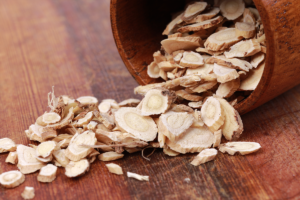
The dried root of this plant has long been utilized in both Chinese and Western herbal practices, boasting the ability to enhance immune function and diminish inflammation. Traditionally, it’s been sought after for relief from the common cold, seasonal allergies, and chronic fatigue.
Available at your local health store: capsules, liquid extracts, powders, and teas.
Codonopsis
Codonopsis pilosula
Available at your local health store: tinctures, capsules, whole roots, or powders.
Echinacea
Echinacea purpurea
This popular herb is widely recognized for its effectiveness against colds. Extracts of echinacea have been found to positively influence the immune system by increasing white blood cell counts, which play a critical role in battling infections. Native to North America, echinacea was commonly employed in Indigenous medicinal practices. A comprehensive review in 2014, involving over 4,500 participants, concluded that echinacea can aid in cold prevention.
Available at your local health store: extracts, capsules, tablets, and herbal teas.
Elderberry
Sambucus nigra
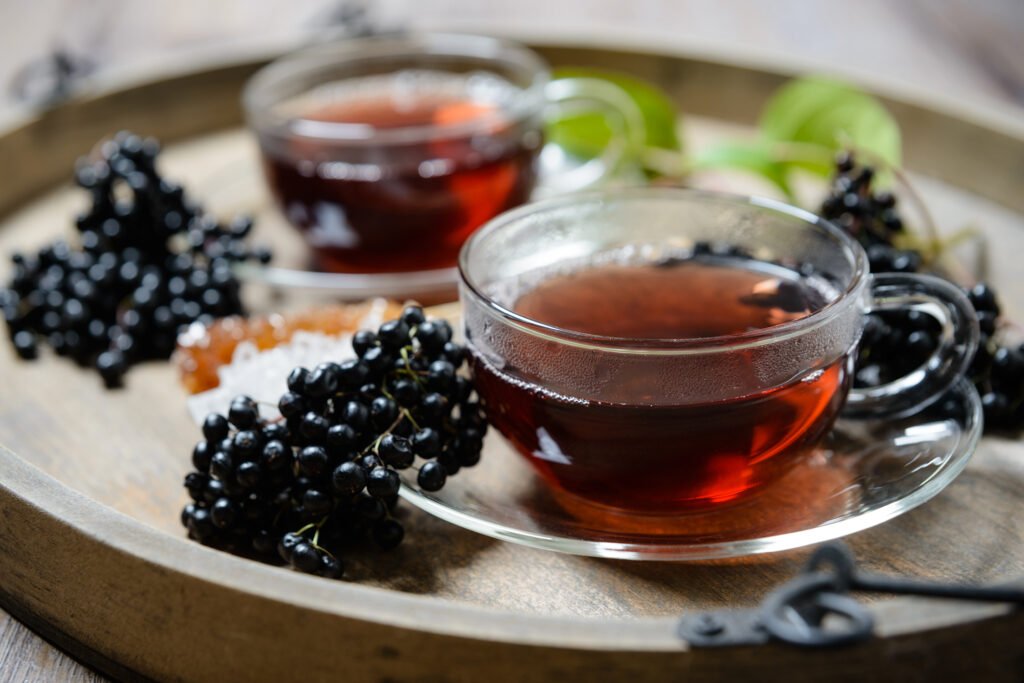
The elder tree’s bark, leaves, flowers, berries, and roots have traditionally been used in medicine for their potential anti-inflammatory and antiviral effects. Elderberry is thought to alleviate congestion by minimizing swelling in mucous membranes and may aid in shortening the duration of colds. Laboratory studies indicate it may also combat influenza viruses A and B.
Available at your local health store: teas, syrups, extracts, lozenges, and capsules.
Eleuthero
Eleutherococcus senticosus
Commonly known as Siberian ginseng, this herb has a medicinal history stretching back over two millennia. Recognized as an adaptogen, eleuthero is aimed at enhancing performance and focus, along with boosting mental clarity and concentration. It also stimulates cellular immunity and the production of T-cells.
Available at your local health store: tinctures, roots and powders, or capsules.
Garlic
Allium sativum
A member of the Allium family, including onions and leeks, garlic has a long history of usage as a remedy for a variety of infections, including colds and chest conditions, alongside its folkloric role in warding off evil spirits. This potent ingredient enhances the body’s defenses by amplifying the activity of natural killer cells, macrophages, and lymphocytes. Fresh garlic is believed to impact both bacterial and viral infections, and initial studies suggest that garlic supplements might also be effective in cold prevention.
Available at your local health store: tablets and capsules.
Ginger
Zingiber officinale
While recent research indicates that ginger may possess cancer-fighting potential, its traditional application is well-established for warming the body against seasonal viruses, along with alleviating digestive issues, migraines, pain, nausea, and vomiting.
Available at your local health store: tablets, capsules, liquid extracts, and herbal teas.
Marsh Mallow
Althaea officinalis
For millennia, marsh mallow root has been used for its soothing qualities, historically employed by ancient Egyptian, Arab, Greek, and Roman civilizations to relieve dry coughs, bronchial asthma, and pleurisy, as well as serving as an external poultice. Additionally, it has provided digestive comfort and was the original source of the marshmallow confection.
Available at your local health store: tablets, capsules, lozenges, liquid extracts, dried roots, and herbal teas.
Oregano
Origanum vulgare
Oregano oil has been a go-to treatment for alleviating symptoms associated with colds, flu, bronchitis, and various respiratory issues due to its anti-inflammatory and antibacterial properties. It can be efficacious in clearing the lungs and bronchial passages when mixed with a carrier oil like olive oil and applied to the chest or added to a vaporizer for inhalation.
Available at your local health store: essential oil and capsules.
Schisandra
Schisandra chinensis
This woody vine, characterized by clusters of red berries, is native to northern China and adjacent regions in Russia and Korea, and has been utilized in traditional medicine in those cultures since the 16th century. Acting as an antioxidant and antiviral, schisandra is believed to enhance immunity and promote longevity, as well as alleviate symptoms associated with asthma, seasonal allergies, and the common cold.
Available at your local health store: tinctures, extracts, capsules, tablets, teas, dried berries, or powders.
Turmeric
Curcuma longa
Turmeric is obtained from the root of the Curcuma longa plant, a member of the ginger family, and has served as a spice and remedy across Asia for over 4,000 years. Contemporary studies indicate that turmeric, along with its primary component curcumin, acts as a potent antibacterial, antiviral, antioxidant, antiseptic, anti-inflammatory, and anticancer agent.
Available at your local health store: turmeric and its active component curcumin in capsules, liquid forms, softgels, and gummies.
Enhance Your Well-being
Supplements are often needed when our diets fall short of providing all necessary nutrients. This may be concerning, especially as one in three individuals may experience some form of nutrient deficiency.
Step 1: Consult a healthcare professional to identify any deficiencies you may have.
Step 2: Address the gaps in your nutrition. Most health experts advocate for the inclusion of a quality multivitamin (not all are created equal!) as a safety net for any diet. Furthermore, while supplements like protein powders and creatine are widely utilized in sports, emerging evidence suggests that regular creatine consumption can notably enhance both physical performance and cognitive capabilities, even in non-elite athletes.
Ancient Remedies
Cultures across the globe, particularly in regions like China and India, have flourished with highly developed systems of medicinal practices grounded in plant-based treatments for centuries. (Consider traditional Chinese medicine and Ayurveda as prime examples.)
In regions where access to commercial pharmaceuticals is either limited or cost-prohibitive, herbal remedies continue to flourish.
This article was first featured in the September 2020 edition of up7op Canada.