


Incorporate melatonin-rich foods
Do you belong to the 33% of adults who struggle to get adequate sleep? Whether it’s persistent insomnia or an occasional restless night, insufficient quality sleep can be quite exhausting.
A strategic nightly routine can help combat various common factors contributing to poor sleep, such as excessive screen time (farewell, late-night TikTok sessions), stress, or night-time snacking. Importantly, this routine doesn’t have to elaborate; it can provide a sense of consistency that aids in relaxing your body and mind. You might consider integrating some evidence-backed sleep-enhancing habits into your evening routine to wake revitalized and ready for the day ahead.

Melatonin is a hormone naturally produced in the body, essential for regulating your circadian rhythms and aiding in sleep. It can also be found in food and supplement form. At dinner or dessert time, consider adding foods high in melatonin such as fish, eggs, and dairy. Nuts, particularly pistachios and almonds, serve as excellent plant-based sources of melatonin. If you’re looking for a sweet evening snack, consider trying chocolate-dipped raspberries filled with pistachios.
Enjoy a cup of herbal tea

Sipping calming herbal tea like chamomile, fennel, or peppermint is among my favorite nighttime rituals. This comforting habit not only calms my stomach but also helps relax my body before sleep. Research supports these benefits; studies indicate that teas such as chamomile and valerian can enhance sleep quality and assist in falling asleep more quickly.
Lower the lights at home
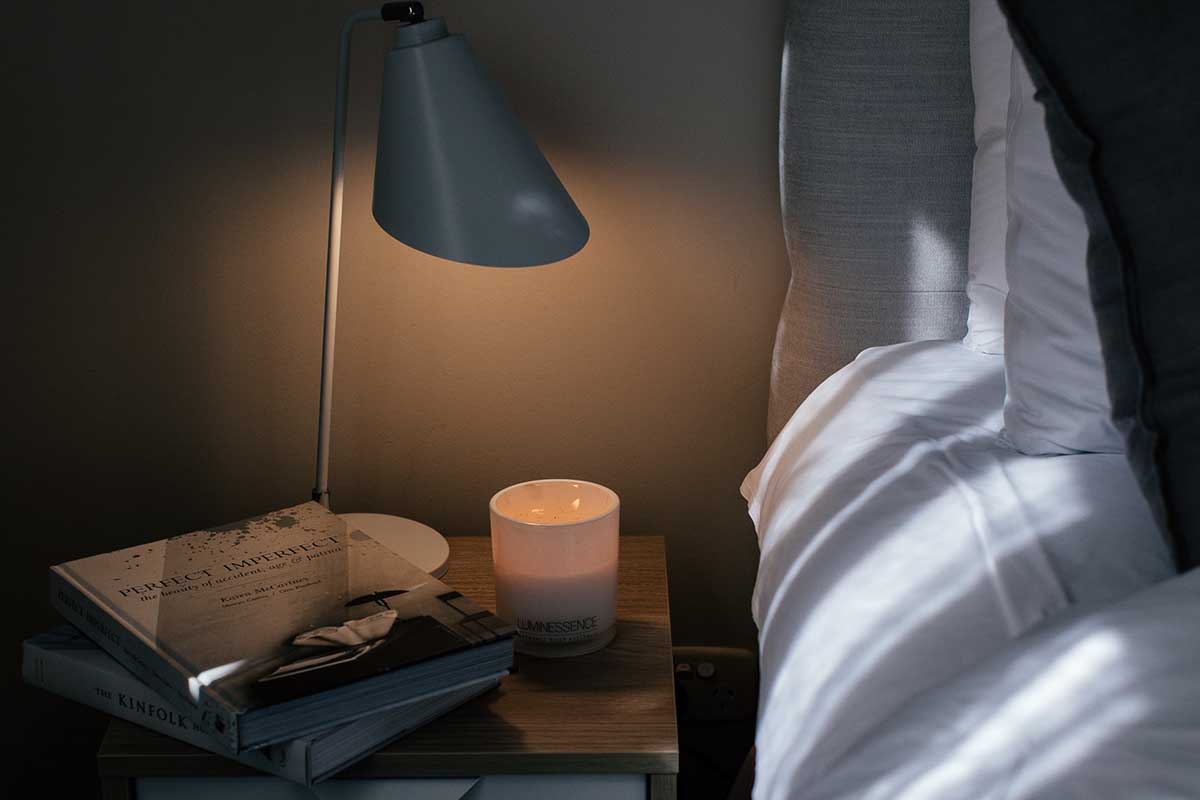
Establish a serene environment by dimming or turning off harsh lights throughout your home, not just in your bedroom. This practice signals your body’s natural circadian rhythm to recognize darkness as a cue for sleep. I prefer soft lamps or oil diffusers emitting gentle light in the evening instead of bright overhead fixtures.
Engage in aromatherapy

Aromatherapy employs essential oils to enhance well-being, including sleep quality. You can enjoy the advantages of aromatherapy at night by using a diffuser, applying a pillow spray, or simply inhaling the scent of essential oils. Personally, I prefer diffusing lavender oil in the hours leading up to sleep as studies suggest that its aroma can alleviate mild insomnia and enhance overall sleep quality. Saffron extract is another noteworthy oil known to promote better rest.
Invest in your skincare routine
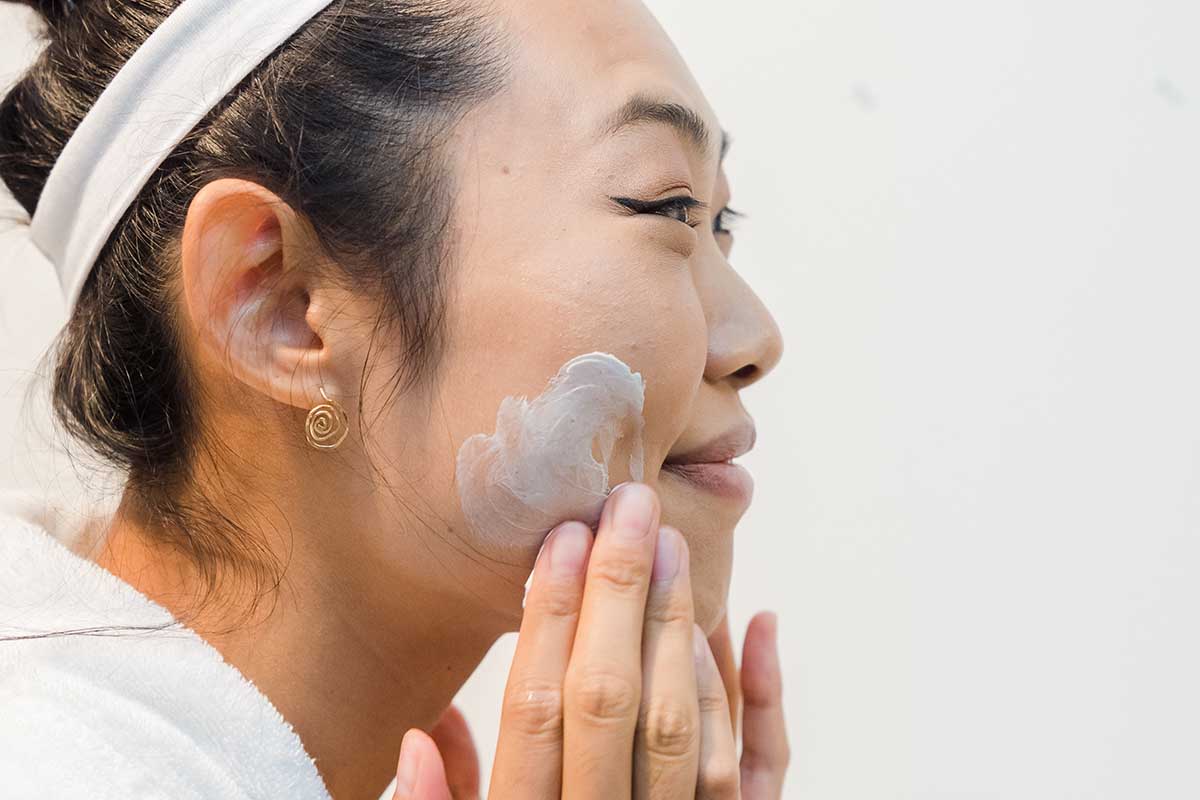
A consistent nighttime skincare routine can signal to your mind that it’s time for bed while boosting your confidence and reducing stress. For me, applying my skincare products is a soothing and therapeutic activity. Whether it involves multiple steps like using different serums or just a basic moisturizer, treat your skincare routine as a vital self-care obligation.
Relax with magnesium

Magnesium is a key mineral that promotes relaxation of muscles and calms nerves, which can lead to a more restful night’s sleep. It’s beneficial to consider magnesium glycinate or magnesium citrate in both pill or powder form for supplementation. Additionally, you can find magnesium naturally in many foods, including leafy greens, whole grains, and nuts.
Dedicate time for stretching

Before settling into bed, I like to perform gentle stretches—such as side stretches, cat-cow, and child’s pose—to relieve bodily tension. Stretching and other meditative practices like yoga are associated with improved sleep quality by enhancing blood flow and easing muscle tightness. Interestingly, engaging in any form of movement before bedtime can actually enhance sleep quality, countering the common belief that night-time exercise is disruptive to rest.
Set up your sleeping space

Before diving under my duvet, I ensure my sleep area is tidy and organized. This not only promotes a sense of calm but also prepares me for restful sleep. For instance, I make it a point to keep my phone out of reach to minimize distractions and prioritize replacing empty mugs with my journal on the nightstand.
Journal your thoughts

Experiencing stress or anxiety? Keeping a journal can serve as a private means to articulate your thoughts, with even a mere five minutes of writing providing significant benefits. I’ve found that penning my concerns calms my mind. Gratitude journaling is a particularly beneficial practice for the evening, as it has been proven to enhance both the quality and duration of sleep. Before you sleep, try noting three things you’re grateful for from your day.
Read for leisure

Each night, I indulge in reading a book to help unwind from the day’s activities. Moreover, research highlights the sleep-enhancing benefits of reading; one study suggests that just 30 minutes of reading can provide stress relief comparable to 30 minutes of yoga. Immersing yourself in an engaging narrative allows your mind to shift focus away from daily worries, helping you drift off into slumber without distractions.